
Blog
How to Do Interstate, State-to-State Relocation for First-Time Households

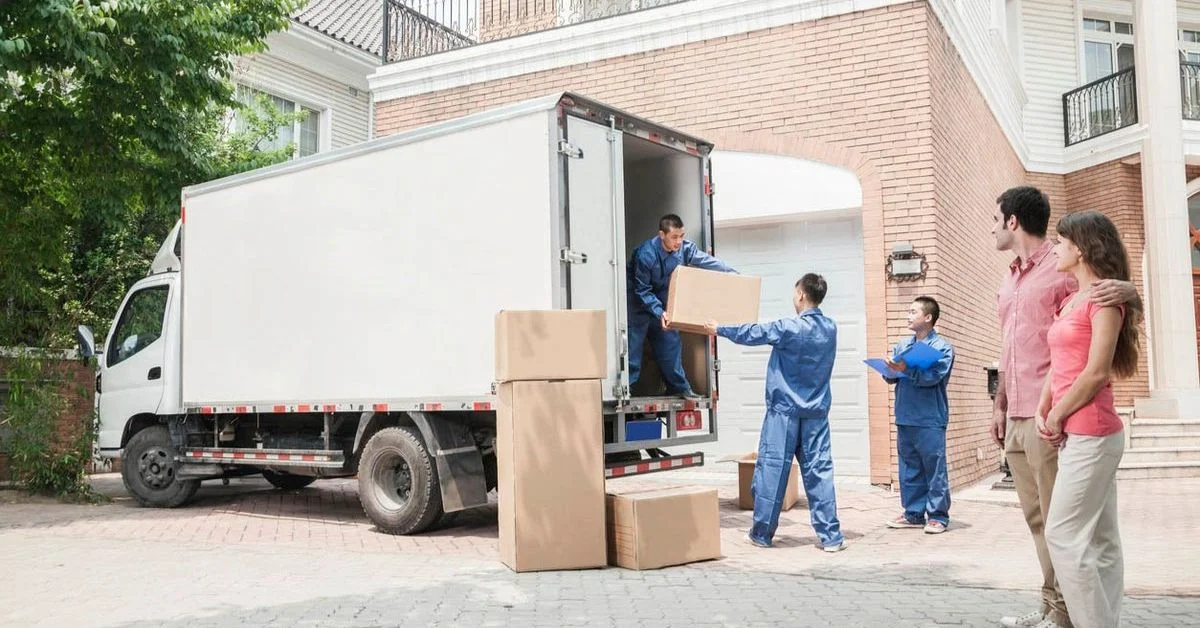
For first-time households, interstate moving can feel like stepping into unknown territory. A simple home move within the same city already requires effort, but a full cross-state relocation introduces new layers of complexity. From choosing reliable moving services to understanding timelines, costs, and packing strategies, every decision matters.
Unlike local relocations, where flexibility is high, an interstate move demands precision. You are coordinating transportation across long distances, managing delivery schedules, and trusting professionals to handle your entire household move. The process becomes even more complex when you factor in moving and storagae, scheduling gaps, and long-distance logistics.
Many first-time movers underestimate how much planning is required. Understanding the difference between local vs long distance moving, knowing your options like Full Packing or Partial Packing, and preparing for Relocation Pricing will help you stay in control. With the right approach, your move can be structured, efficient, and far less stressful than expected.
Step 1: Understand What Interstate Moving Involves
Interstate moving means transporting your belongings across state lines. This automatically introduces regulations, licensing requirements, and logistical challenges that are not present in local moves.
An interstate move typically includes:
- Long-distance transportation
- Fixed pickup and delivery schedules
- Inventory tracking
- Contract-based pricing
This is why planning ahead is critical.
Step 2: Start Early and Build a Timeline
A successful household move starts with a clear plan.
Recommended Timeline
- 6–8 weeks before: Research moving services and get quotes
- 4 weeks before: Begin packing and decluttering
- 2 weeks before: Confirm bookings and logistics
- Moving week: Final packing and coordination
A structured timeline ensures nothing is rushed or overlooked.
Step 3: Choose the Right Moving Services
Selecting reliable moving services is one of the most important steps.
Look for:
- Licensed interstate movers
- Clear pricing structure
- Experience with long-distance relocation
- Insurance and coverage options
Do not choose based on price alone. Service quality matters more in long-distance moves.
Step 4: Decide Between Full Packing or Partial Packing
Packing is one of the biggest tasks in any move.
Full Packing
- Movers handle everything
- Faster and more efficient
- Higher cost
Partial Packing
- You pack some items yourself
- Movers handle fragile or large items
- More cost control
Choosing between Full Packing or Partial Packing depends on your budget, time, and comfort level.
Step 5: Declutter Before You Pack
The fewer items you move, the lower your costs.
Before packing:
- Sort items into keep, donate, and discard
- Sell items you no longer need
- Avoid moving unnecessary belongings
This step directly impacts your Final Cost of a Home Relocation.
Step 6: Understand Relocation Pricing
Relocation Pricing for interstate moves is different from local moves.
Pricing Factors
- Weight or volume of items
- Distance between locations
- Additional services (packing, storage)
- Delivery timeline
Always request detailed estimates to avoid surprises.
Step 7: Estimate the Final Cost of a Home Relocation
The Final Cost of a Home Relocation can vary significantly.
Costs may include:
- Transportation fees
- Packing services
- Insurance coverage
- Storage costs
- Additional handling charges
Understanding all cost components helps you budget accurately.
Step 8: Plan for Moving and Storage Needs
Sometimes your move-out and move-in dates do not align.
In such cases, moving and storage services become essential.
They can help with:
- Temporary storage
- Flexible delivery schedules
- Reduced stress during transitions
Storage solutions add flexibility to your move.
Step 9: Prepare for Moving Day
Moving day requires coordination and attention.
What to Do
- Confirm timing with movers
- Keep important documents with you
- Supervise loading
- Verify inventory
Being organized ensures a smooth start to your move.
Step 10: Manage the Moving Process
The moving process does not end when your belongings leave your home.
Stay involved by:
- Tracking your shipment
- Communicating with movers
- Keeping records of agreements
Active involvement helps prevent issues.
Step 11: Handle Delivery and Unpacking
Once your belongings arrive:
- Check items against inventory
- Inspect for damage
- Begin unpacking essentials
Start with priority areas like the kitchen and bedroom.
Step 12: Complete Final Relocation Steps
After your move, finalize the remaining tasks.
Important Relocation Steps
- Update your address
- Transfer utilities
- Register for local services
- Set up internet and essentials
These steps help you settle into your new home quickly.
Questions to Ask Moving Company
Before hiring movers, ask the right questions.
Key Questions
- Are you licensed for interstate moving?
- What is included in the estimate?
- Are there additional fees?
- What insurance options are available?
- What is the delivery timeline?
These questions to ask moving company help you avoid hidden costs and misunderstandings.
Common Challenges in Interstate Moving
First-time movers often face challenges.
Common Issues
- Delays in delivery
- Higher-than-expected costs
- Damaged items
- Miscommunication
How to Avoid Them
- Plan early
- Choose reliable movers
- Understand your contract
- Stay organized
Preparation is key to reducing risk.
Explore the Get Home Utilities Moving Services today to compare interstate moving options, understand pricing, and plan your cross-state relocation with confidence.
Final Thoughts
A successful interstate moving experience requires planning, organization, and the right support. By understanding the full moving process, choosing the right moving services, and preparing for costs and logistics, you can manage your household move effectively.
Whether you are deciding between Full Packing or Partial Packing, evaluating Relocation Pricing, or estimating the Final Cost of a Home Relocation, every step contributes to a smoother transition. With the right preparation, even a complex cross-state relocation can become a structured and manageable experience.
Frequently Asked Questions (FAQs)
How early should I plan an interstate move?
Start planning at least 6–8 weeks in advance to allow time for booking and preparation.
What is the biggest difference between local and interstate moving?
Interstate moving involves longer distances, more planning, fixed schedules, and different pricing structures.
How is relocation pricing calculated?
Pricing is based on distance, weight or volume of items, and additional services like packing and storage.
Should I choose full packing or partial packing?
It depends on your budget and time. Full packing offers convenience, while partial packing gives you more control over costs.
What should I ask a moving company before hiring?
Ask about licensing, pricing, insurance, delivery timelines, and any additional fees.
