
Blog
What Happens Before, During, and After a Home Move

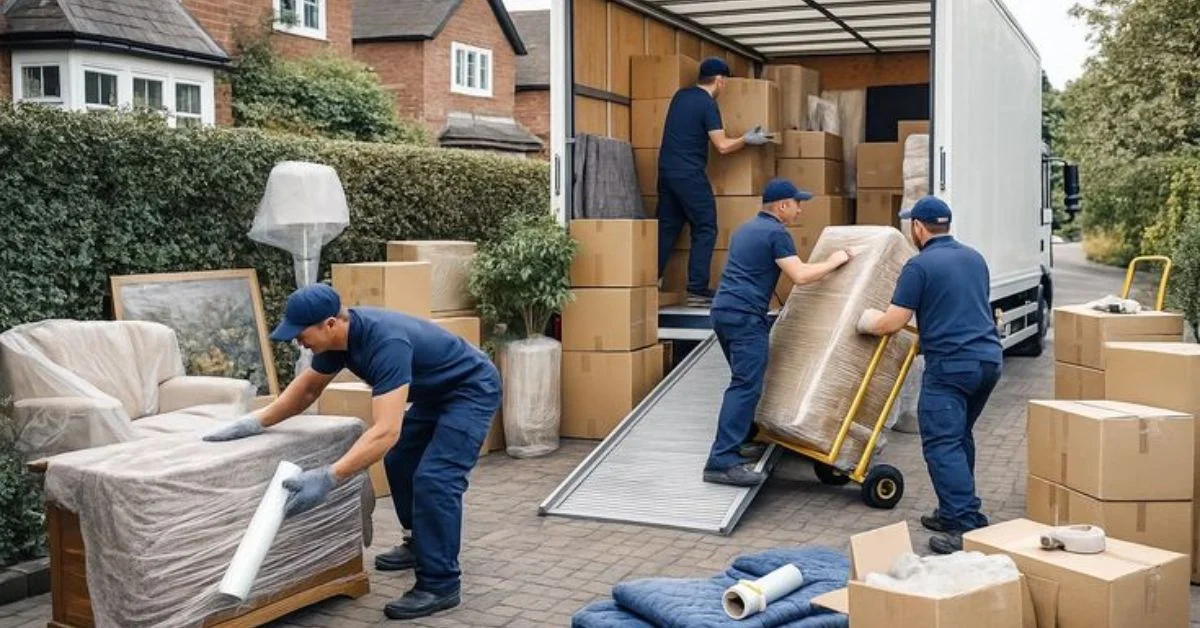
A home move is not a single-day task. It is a structured journey that unfolds in phases, each with its own responsibilities, timelines, and challenges. Whether you are relocating within the same city, planning a long-distance transition, or even preparing for an overseas relocation, understanding the complete moving process helps you stay organized and avoid unnecessary stress.
Many households underestimate how much coordination goes into a successful move. From early planning and packing to transportation and settling in, every step plays a role in the outcome. Professional moving services and moving and storage solutions can simplify the process, but knowing what to expect at each stage gives you control and confidence.
By following clear relocation steps and aligning them with a realistic move timeline, you can transform what often feels overwhelming into a manageable and efficient transition.
Before the Move: Planning, Preparation, and Organization
The pre-move phase is the foundation of a successful relocation. Most problems that occur during a move can be traced back to poor preparation.
Building a Move Timeline
A clear move timeline keeps everything on track and prevents last-minute chaos.
A typical timeline includes:
- 4–6 weeks before: Research moving services, declutter, start planning
- 2–3 weeks before: Begin packing non-essential items
- 1 week before: Confirm bookings, finalize logistics
- 1–2 days before: Pack essentials and prepare for moving day
Breaking your move into phases makes the process easier to manage.
Decluttering and Downsizing
Before packing, go through your belongings carefully.
Focus on:
- Removing items you no longer use
- Donating or selling unnecessary belongings
- Reducing overall moving volume
This step not only simplifies your home move but also reduces costs, especially for long-distance or overseas relocations.
Choosing the Right Moving Services
Selecting reliable moving services is one of the most important decisions you will make.
Look for:
- Licensed and insured providers
- Transparent pricing
- Positive customer feedback
- Services that match your needs
For complex moves, especially international ones, companies offering moving and storage solutions can provide additional flexibility.
Packing the Right Way
Packing is more than just filling boxes. It requires planning and care.
Packing Essentials
- Use strong, durable boxes
- Wrap fragile items securely
- Label boxes by room and priority
- Keep an inventory list
Proper packing ensures your belongings arrive safely and makes unpacking easier.
Preparing for Overseas Relocation
If your home move involves an overseas relocation, preparation becomes even more detailed.
Additional considerations include:
- Customs regulations and documentation
- Shipping timelines
- International insurance coverage
- Restricted or prohibited items
Planning early is essential to avoid delays and complications.
During the Move: Execution and Coordination
Moving day is when your planning comes to life. Staying organized and attentive is key.
What Happens on Moving Day
A typical moving day follows a structured sequence:
- Movers arrive and review the plan
- Boxes and furniture are loaded carefully
- Inventory is checked and documented
- Transportation begins
For long-distance or international moves, your belongings may be transferred between multiple carriers.
Managing the Moving Process
Even when using professional moving services, your involvement is important.
Stay in control by:
- Supervising loading and unloading
- Confirming inventory accuracy
- Communicating clearly with movers
- Keeping important documents with you
Active participation helps prevent mistakes and ensures accountability.
Essential Items to Keep With You
Certain items should always stay with you during the move.
These include:
- Identification and documents
- Valuables and personal items
- Medications
- Daily essentials
Having these items accessible ensures comfort and security during the transition.
Handling Unexpected Situations
Even with planning, challenges can arise.
Common issues include:
- Delays in transportation
- Weather disruptions
- Missing or damaged items
- Miscommunication with movers
To handle these:
- Stay flexible
- Maintain clear communication
- Have a backup plan
Preparation reduces stress when unexpected situations occur.
After the Move: Settling In and Adjusting
Once your belongings arrive, the final phase begins. This stage focuses on making your new space functional and comfortable.
Unloading and Inspection
As items are delivered:
- Check boxes against your inventory
- Inspect for damage
- Place items in the correct rooms
Addressing issues immediately makes resolution easier.
Unpacking Strategically
Unpacking should be done in stages.
Start with:
- Kitchen essentials
- Bathroom supplies
- Bedding and clothing
- Work or daily-use items
Gradual unpacking helps maintain organization.
Completing Final Relocation Steps
After unpacking, finalize your relocation steps:
- Update your address
- Set up utilities and internet
- Register for local services
- Transfer subscriptions
These steps ensure a smooth transition into your new environment.
Adjusting to Your New Space
Moving is not just physical it is also an adjustment process.
Take time to:
- Explore your neighborhood
- Establish routines
- Organize your space
- Get comfortable in your surroundings
This phase helps turn your new house into a home.
The Role of Moving and Storage Solutions
Sometimes, your move does not happen all at once.
Moving and storage services can help when:
- Your new home is not ready
- There is a gap between move-out and move-in dates
- You need temporary storage during relocation
These services add flexibility and reduce pressure during the move.
Common Mistakes to Avoid
Avoiding common mistakes can improve your moving experience.
Frequent Mistakes
- Starting planning too late
- Underestimating packing time
- Not labeling boxes
- Choosing unreliable movers
- Ignoring the move timeline
How to Avoid Them
- Plan early
- Stay organized
- Use checklists
- Research moving services carefully
- Follow a structured approach
Preparation is key to a smooth move.
Benefits of Professional Moving Services
Using professional moving services offers several advantages.
Key Benefits
- Faster and more efficient moving
- Reduced physical effort
- Better protection for belongings
- Access to storage and specialized services
For complex moves, including overseas relocation, professional support is highly valuable.
Explore the Get Home Utilities Moving Services today to plan your home move, compare moving and storage options, and ensure a smooth relocation whether local or overseas.
Final Thoughts
A successful home move requires more than just transportation. It involves careful planning, organized execution, and thoughtful follow-through. By understanding what happens before, during, and after the move, you can approach each stage with confidence.
Following a clear move timeline, using reliable moving services, and staying organized throughout the moving process will help you avoid stress and complete your relocation efficiently. Whether you are moving locally or preparing for an overseas relocation, the right preparation makes all the difference.
Frequently Asked Questions (FAQs)
How early should I start planning a home move?
Start planning at least 4–6 weeks in advance to allow enough time for preparation and scheduling.
What do moving services usually include?
Moving services may include packing, loading, transportation, unloading, and sometimes storage and unpacking.
What is the role of moving and storage services?
They provide temporary storage solutions when there is a gap between moving out and moving into your new home.
How long does the moving process take?
Local moves can take a day, while long-distance or overseas relocations may take several days or weeks.
How can I make my move less stressful?
Plan early, stay organized, use checklists, and consider hiring professional movers to handle logistics.
