
Blog
DIY Home Security vs Professional Installation: Which Option Makes More Sense?

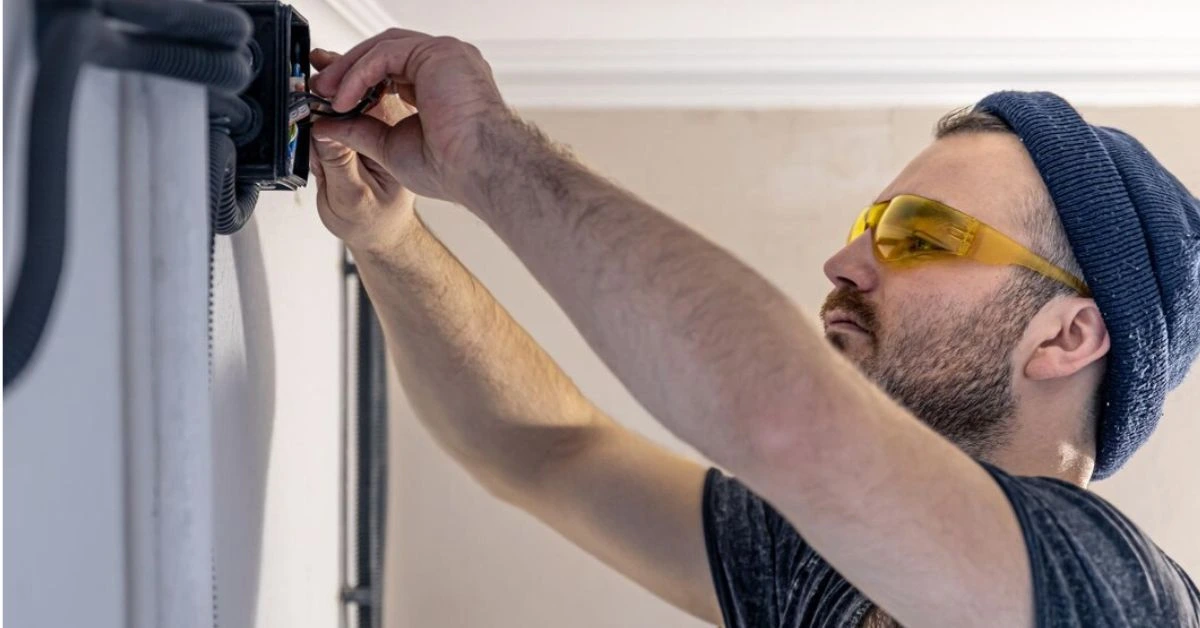
Setting up a security system today is easier than ever. With modern technology, many homeowners are choosing DIY home security instead of scheduling a technician visit. But while self-installation can save money and offer flexibility, professional installation still has clear advantages in certain situations.
If you’re comparing options, the real question isn’t just convenience. It’s about cost comparison, system performance, and whether your setup will actually protect your home the way you expect.
This guide breaks down the differences between DIY and professional installation so you can choose the right approach for your home.
What DIY Home Security Means Today
Modern DIY home security systems are designed for simple setup without specialized tools or technical experience.
Most DIY kits include:
- Control hub or base station
- Door and window home sensors
- Motion detectors
- Wireless cameras
- Mobile app for activation and control
Many of the best home security cameras available today are built specifically for self-installation, with features like adhesive mounts, quick Wi-Fi pairing, and built-in night vision for both indoor/outdoor use.
This makes DIY an attractive option for homeowners who want quick protection without scheduling a professional service.
The Cost Comparison: DIY vs Professional
One of the biggest reasons people choose DIY is the lower upfront home security system cost.
DIY Home Security Costs
- Equipment: $150–$800 depending on features
- Installation fee: $0
- Optional monthly monitoring: $0–$30
You only pay for the equipment and any subscription services you choose.
Professional Installation Costs
- Equipment: Often similar or bundled
- Installation fee: $100–$300+
- Monthly monitoring: $20–$50
- Possible contract requirements
While professional installation costs more upfront, it may include system testing, optimal placement, and ongoing support.
The right choice depends on whether you value savings or expert setup.
Advantages of DIY Home Security
1. Lower Upfront Cost
Skipping the installation appointment eliminates labor charges and keeps overall pricing lower.
2. Flexible Installation Timeline
You can set up your system the same day it arrives, instead of waiting for technician availability.
3. Easy to Expand or Move
Because most DIY systems use wireless technology, adding more cameras, sensors, or smart devices is simple.
This is especially helpful if you start with a basic system and later add additional video surveillance or smart features.
4. No Long-Term Contracts
Many DIY providers offer month-to-month monitoring instead of multi-year agreements.
When Professional Installation Makes More Sense
DIY isn’t always the best option. A professional service may be the better choice if:
You Have a Large or Complex Home
Multi-story homes or properties with multiple entry points may require careful camera angles, sensor placement, and signal optimization.
You Want Full System Integration
Professionals ensure your home sensors, cameras, alarm panel, and smart devices work together without gaps.
You Prefer Hands-Off Setup
If you’re not comfortable mounting equipment, configuring apps, or troubleshooting connectivity, professional installation removes the guesswork.
Performance Matters: Placement Is Everything
Even the best home security cameras won’t work well if they’re installed incorrectly.
Common DIY mistakes include:
- Cameras pointed too high or too low
- Poor Wi-Fi coverage for wireless devices
- Motion sensors placed where pets trigger false alerts
- Missing blind spots around entry points
Professional installers evaluate traffic patterns, lighting conditions, and coverage zones to maximize effectiveness.
If your system includes advanced features like night vision or outdoor monitoring, proper positioning becomes even more important.
Monitoring Options for Both Setups
Whether you choose DIY or professional installation, you can still select your level of monitoring.
Options include:
Self-Monitoring
- Mobile alerts only
- No monthly fee or low-cost cloud plan
Professional Monitoring
- 24/7 response center
- Automatic emergency dispatch
- Higher monthly cost
Your installation choice doesn’t lock you into one monitoring option, but professionally installed systems are more commonly paired with full-service monitoring plans.
Which Option Is Best for You?
Choose DIY home security if you:
- Want to minimize upfront costs
- Prefer flexible, contract-free service
- Are comfortable installing basic equipment
- Have a small or moderately sized home
Choose professional installation if you:
- Want expert placement and setup
- Have a larger or complex property
- Prefer a fully managed system
- Plan to use full-service home monitoring for long-term
The right choice depends on your comfort level, your home layout, and how much time you want to invest.
Explore the Get Home Utilities’ Home Security today to compare DIY and professionally installed systems, review equipment options, and find the right security solution for your home and budget.
Final Thoughts
Today’s technology makes DIY home security more accessible than ever. With wireless equipment, smart home sensors, and advanced video surveillance features, many homeowners can set up effective protection on their own.
At the same time, professional installation still delivers value through expert placement, system optimisation, and peace of mind.
By weighing the cost comparison, installation needs, and long-term monitoring plans, you can choose the setup that gives you the right balance of protection, convenience, and value.
