
Blog
Top 10 Smart Home Security Devices for Better Protection in 2026

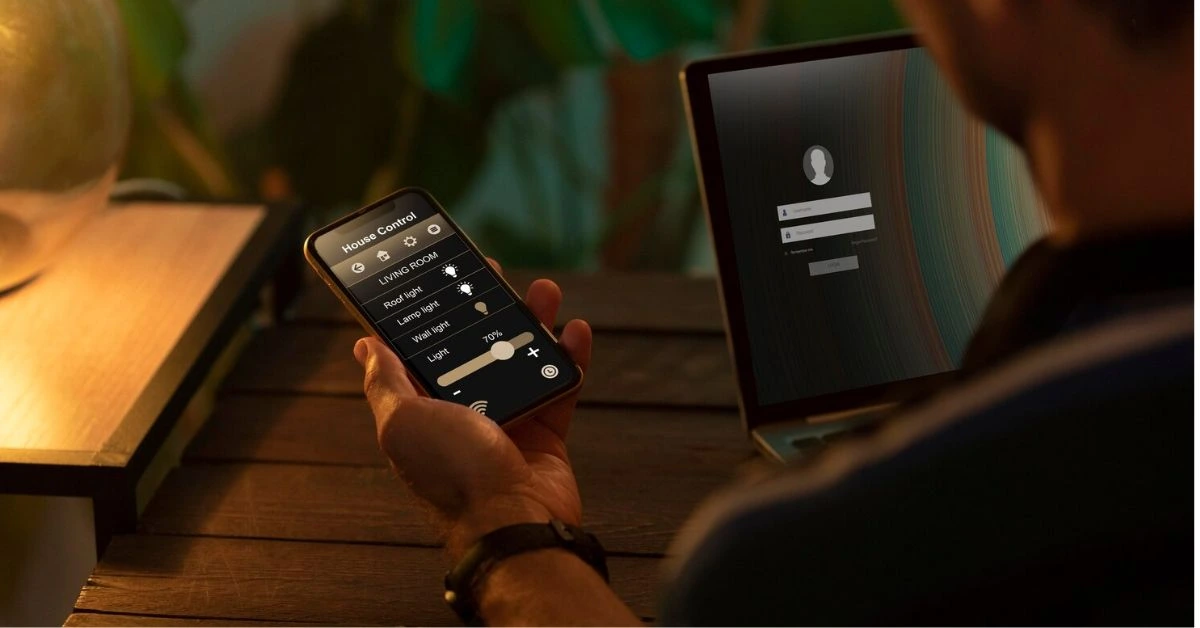
Home security is no longer just about alarms and cameras. Today’s Smart Home Security devices combine protection with convenience, allowing you to monitor, control, and automate your home from anywhere.
Whether you’re building a full system from scratch or upgrading your current setup, smart technology makes it easier to customize protection based on your lifestyle. Many homeowners now start with DIY home security because modern devices are wireless, simple to install, and designed to work together through a single app or platform.
Here are the Top 10 Smart Home Security devices that offer the best combination of safety, control, and everyday convenience.
1. Smart Security Cameras
Smart cameras are the foundation of most modern smart home security systems.
Key features include:
- HD or 4K video quality
- Motion detection alerts
- Cloud or local recording
- Two-way audio
- Advanced night vision
Today’s best home security cameras work both indoor/outdoor and integrate easily with other smart devices. Many homeowners install them themselves, making them a core part of DIY security setups.
2. Video Doorbells
Video doorbells let you see and speak with visitors from your phone, whether you’re home or away.
Benefits:
- Live video streaming
- Motion detection for packages or activity
- Two-way communication
- Recorded video history
They add an important front-door layer to your overall home security system.
3. Smart Locks
One of the most popular smart home security upgrades is smart locks.
Features include:
- Lock or unlock doors remotely
- Temporary access codes for guests or service providers
- Activity logs showing who entered and when
- Auto-lock scheduling
Smart locks eliminate the need for spare keys and integrate with other security devices for full home control.
4. Smart Motion Sensors
Modern home sensors go beyond basic motion detection.
Advanced features:
- Pet detection to reduce false alarms
- Adjustable sensitivity
- Integration with lighting or cameras
These sensors play a key role in both DIY home security installation and professionally installed systems.
5. Smart Door & Window Sensors
Entry sensors are essential for detecting unauthorized access.
When triggered, they can:
- Send instant alerts
- Activate alarms
- Trigger cameras to record
- Turn on lights through automation
Because they’re small and wireless, these sensors are easy to install without professional service.
6. Smart Security Hubs
A smart hub connects all your devices into one system.
It allows you to:
- Control cameras, locks, and sensors from one app
- Set custom security modes (Home, Away, Night)
- Manage alerts and notifications
For homeowners comparing systems, the hub often determines how well devices work together and impacts overall cost comparison between brands.
7. Smart Lighting for Security
Security lighting is no longer just motion-based. Smart lighting allows:
- Scheduled on/off times
- Remote control
- Motion-triggered activation
- Vacation “presence simulation”
Lights turning on automatically when motion is detected can deter unwanted activity.
8. Voice-Control Integration
Many modern systems support voice control through assistants like Alexa, Google Assistant, or Apple Home.
With voice commands, you can:
- Arm or disarm your system
- Lock doors
- Check camera feeds
- Activate security scenes
This adds convenience while keeping your home protected.
9. Smart Alarm Systems
Smart alarm panels allow full control of your system and connect with professional monitoring if needed.
Features may include:
- Touchscreen control
- Emergency panic buttons
- Mobile app integration
- Instant alerts
Whether installed through professional service or DIY, these systems remain the backbone of comprehensive security.
10. Environmental & Safety Sensors
Security isn’t only about intruders. Smart systems now include sensors for:
- Smoke and fire
- Carbon monoxide
- Water leaks
- Temperature changes
These devices protect your home from damage and add another layer of safety beyond traditional security.
DIY vs Professional Setup for Smart Devices
Most smart devices are designed for simple DIY home security installation, especially wireless cameras, sensors, and locks.
However, professional service may be helpful if:
- You’re installing multiple devices across a large home
- You want full system integration
- You prefer expert placement and setup
When comparing options, consider both equipment costs and any potential installation fees to determine the best overall value.
How to Build a Smart Security System That Fits Your Budget
Instead of buying everything at once, many homeowners:
- Start with cameras or a video doorbell
- Add smart locks and entry sensors
- Expand with lighting, automation, and monitoring
This approach helps manage cost comparison and keeps your system flexible as your needs grow.
Explore the Get Home Utilities’ Home Security today to compare smart home security devices, review installation options, and build a connected system that fits your home and budget.
Final Thoughts
The best smart home security setup is one that combines protection with convenience. With devices like smart cameras, smart locks, and integrated automation, today’s systems make it easy to monitor and control your home from anywhere.
Whether you choose a simple DIY setup or a fully integrated system with professional service, smart technology gives you stronger protection, better visibility, and greater peace of mind.
