
Blog
What Would Count as a Utility Bill? Real Examples Explained

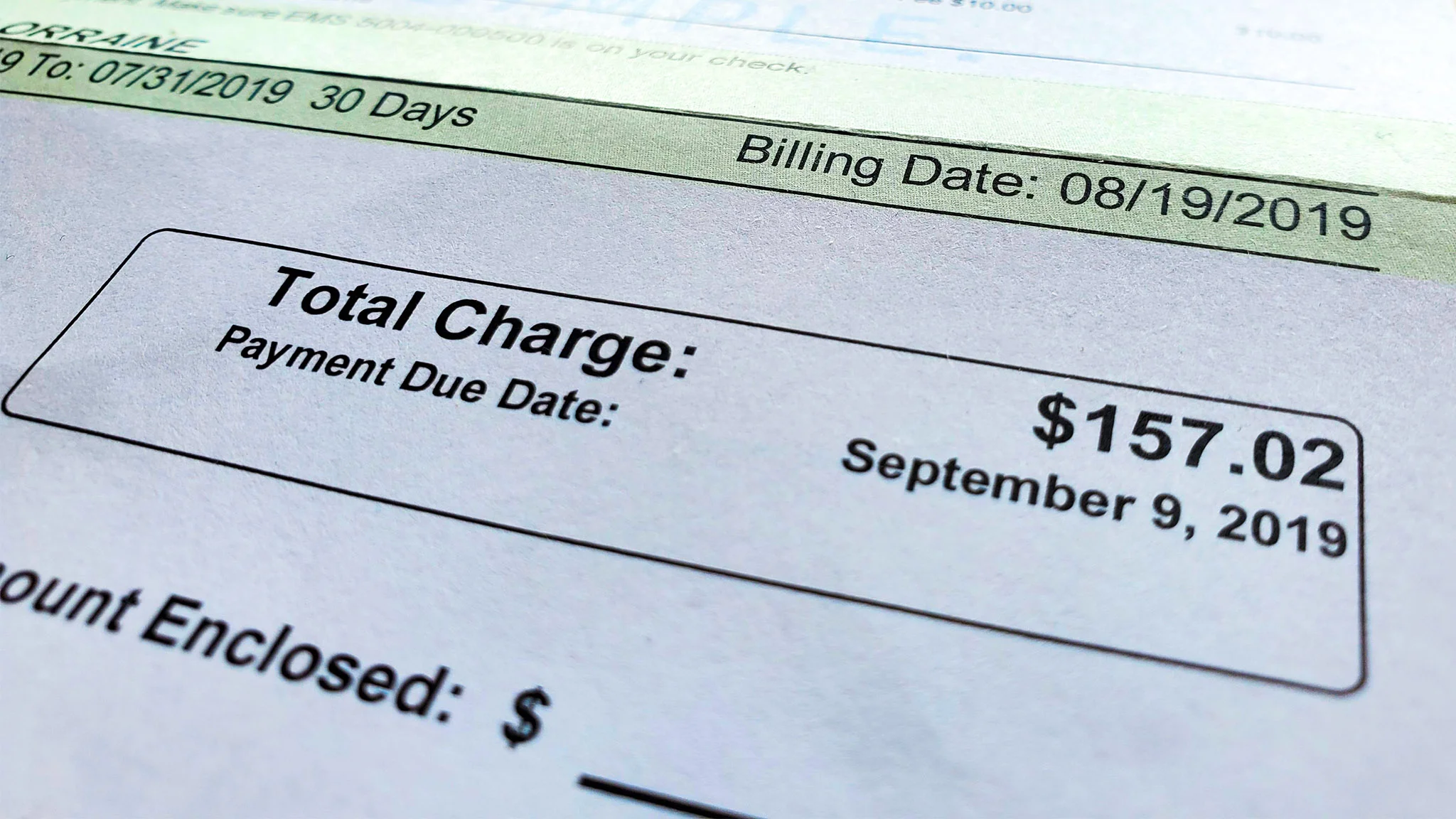
Utility bills are a normal part of adult life. You probably pay at least a few every month, whether you’re renting an apartment or managing a household. But when you’re filling out a form, applying for assistance, or just trying to stay organized, the question comes up: What would count as a utility bill?
It’s not always as obvious as it seems. Some monthly costs are clearly utilities. Others might feel essential—but don’t actually qualify. Knowing the difference helps with budgeting, lease agreements, tax deductions, and even simple things like setting up new services.
So let’s break it all down—what utility bills really include, which ones are commonly mistaken, and how to think about them when you’re managing your money.
What Is a Utility Bill?
A utility bill is a recurring charge for a core service that makes your home functional and livable. These services are usually tied to your home’s infrastructure—things like electricity, water, or trash removal.
Utility bills are billed monthly (in most cases), and the amount you pay depends on how much of the service you used. If you live in a rental, some utilities might be included in your rent. If you own your home, you’re likely managing all of them separately.
So, What Would Count as a Utility Bill?
Let’s answer the question right away.
Bills that count as utilities include:
- Electricity
- Water and sewer
- Natural gas or heating oil
- Trash and recycling collection
- Internet or broadband (in most households today)
These services are essential for keeping a home running—providing light, power, water, sanitation, and access to digital services. You don’t necessarily see them working, but when one of them goes out, it’s a big problem.
Utility Bill Examples: What Each One Looks Like
To help clarify, let’s walk through what each type of utility bill usually includes.
1. Electric Bill
Your electric bill comes from the company that provides electricity to your home. This bill tracks how many kilowatt-hours (kWh) you used that month, along with delivery charges, taxes, and fees.
You’ll usually see:
- Account number
- Service address
- Billing period
- Usage (in kWh)
- Total amount due
Electricity is one of the most common—and necessary—utility bills. It powers your lights, appliances, devices, and in many cases, heating or air conditioning.
2. Water and Sewer Bill
This bill usually comes from the city or local water department. It charges you for the amount of water you used, plus wastewater disposal (aka sewer service).
You’ll typically see:
- Gallons or cubic feet of water used
- Sewer base rate or volume charge
- Stormwater fees (in some areas)
- Billing cycle and due date
Water is essential. It’s also a utility that most rental agreements either include in rent or list separately. Always ask what’s covered before signing.
3. Gas or Heating Fuel Bill
If your home uses natural gas for cooking, heating, or hot water, you’ll get a gas bill from the provider. In rural areas, propane or oil may be delivered instead.
This bill shows:
- Therms or gallons used
- Cost per unit
- Delivery or connection fees
- Total amount due
Heating bills usually spike in winter, especially if your system relies heavily on fuel.
4. Trash and Recycling
Your garbage bill covers the pickup and disposal of household waste. It may be billed through the city or a private waste management company.
Look for:
- Monthly or quarterly charge
- Type of service (trash, recycling, yard waste)
- Bin size or frequency of pickup
- Fees for extra pickups or bulky items
Trash collection isn’t optional. That’s why it counts as a core utility—keeping your home clean and safe.
5. Internet or Broadband
Yes, internet is now considered a utility in most modern households. It may not be officially defined as one in every legal document, but functionally, it’s as essential as water or power.
Your internet bill includes:
- Plan name and speed
- Data usage (in some cases)
- Modem/router rental fees
- Monthly total, including taxes and surcharges
Whether you’re working, studying, or just staying connected, WiFi has become a must-have service. It belongs in the utility section of your budget.
What Is Not Considered a Utility Bill?
Just because a bill shows up every month doesn’t make it a utility.
❌ Bills that do NOT count as utilities include:
- Rent or mortgage
- Cell phone plans
- Cable TV or streaming subscriptions
- Home or renters insurance
- Security monitoring systems
- Gym memberships or food delivery
- Pest control or landscaping
- Subscription boxes (groceries, beauty, etc.)
These expenses might be important—but they’re not required for your home to function or meet habitability standards.
Why the Difference Matters
Understanding what qualifies as a utility bill is more than just good budgeting—it matters in real-world situations like:
1. Lease Agreements
If your rental listing says “utilities included,” you need to know what’s covered. It could mean just water and trash—or everything but internet. Clarity up front prevents billing surprises later.
2. Government Forms
Applying for a loan, grant, or assistance? Some programs require you to show a recent utility bill to prove your residence or demonstrate hardship. They won’t accept a Netflix or phone bill.
3. Tax Deductions
If you work from home, the IRS allows you to deduct a portion of your utility bills—but only those tied to your workspace. This includes electricity, internet, gas, and water (if applicable). Not your gym, Spotify, or cell phone plan.
4. Shared Housing
If you live with roommates, splitting utility bills fairly means knowing what belongs in the pot—and what doesn’t. The electric bill? Yes. Your solo Disney+ account? Not so much.
What About Bundled Services?
Sometimes, your bills are bundled together. For example:
- Internet + cable TV
- Electric + gas (in some regions)
- Water + sewer + trash (from the city)
In those cases, it’s okay to treat the entire bundle as a utility—just be aware of what’s included so you can budget accurately or divide costs with others.
If you only use the internet from your bundle and ignore the cable TV, you might choose to count just that portion as a utility.
How Are Utility Bills Handled in Rentals?
In rental agreements, utilities are often handled in one of three ways:
1. All Utilities Included
You pay a flat rent amount. The landlord covers water, electricity, gas, trash, and sometimes internet. These are usually older buildings or short-term rentals.
2. Some Utilities Included
The landlord includes water and trash, but you pay for electricity, gas, and internet. This is the most common setup.
3. Tenant Pays All Utilities
You open accounts with each provider and manage the bills yourself. This setup is typical in single-family homes.
No matter which arrangement you’re in, make sure your lease clearly lists which utilities you’re responsible for—and how billing works if services are shared.
How to Organize Utility Bills for Budgeting
Here’s a simple way to structure your monthly budget around utilities:
Essentials (true utilities):
- Electricity
- Water/sewer
- Gas or oil
- Trash
- Internet
Housing:
- Rent or mortgage
- HOA dues (note: some may include utilities)
Lifestyle:
- Cell phone
- Streaming services
- Groceries
- Subscriptions
- Insurance
By keeping your utility bills in their own category, you can track usage, prepare for seasonal changes, and spot potential savings more easily.
Can You Deduct Utility Bills for Work?
If you’re self-employed or work remotely, you might qualify for a home office deduction.
Here’s how that works:
- You must use a dedicated space in your home exclusively for work.
- You can deduct a percentage of your utility bills, based on the square footage of your workspace.
- The deduction can include electricity, water, gas, trash, and internet.
You can’t deduct your entire Netflix subscription or phone plan unless they’re used exclusively for business. Always consult a tax professional to get it right.
What If You Can’t Pay Your Utility Bills?
Utility bills can add up quickly—especially during extreme weather months. If you’re falling behind, don’t panic. There are resources available:
- LIHEAP (Low-Income Home Energy Assistance Program) – Helps cover heating and cooling costs
- Emergency Water Assistance Program (EWAP) – Helps prevent water shutoffs
- Payment plans – Many providers offer flexible billing
- Local nonprofits – Churches and community centers often help in emergencies
If you can’t pay, call your utility provider before the due date. Most are willing to work with you to avoid disconnection.
What Would Count as a Utility Bill?
To recap, here’s what counts:
✅ Yes – Utility Bills:
- Electric
- Water and sewer
- Natural gas or heating fuel
- Trash and recycling pickup
- Internet or broadband (in most homes)
❌ No – Not Utility Bills:
- Rent or mortgage
- Cell phone
- Cable or streaming services
- Insurance
- Gym, subscriptions, or personal spending
Utility bills are essential services tied to your home’s functionality. Knowing what counts—and what doesn’t—helps you budget better, share costs more fairly, and avoid surprises when signing a lease or filling out official forms.
Set Up and Compare Utilities with Get Home Utilities
Need to get utilities started in your new place? Want to make sure you’re not overpaying for electricity or internet?
Get Home Utilities makes it easy to compare providers, explore bundle options, and choose services that fit your needs and budget.
✅ Compare electricity, internet, and gas by ZIP code
✅ See what’s available in your area instantly
✅ Bundle services and save money
✅ Avoid setup stress and hidden fees
Visit Get Home Utilities and power your home smarter—with reliable, affordable service from day one.
