
Blog
Electric Utility vs Electricity Supplier: Who Handles What?

Electricity service can feel confusing because more than one company may be involved in getting power to your home. One company may own the wires and handle outages. Another may sell the electricity plan. A third name may appear on your bill, depending on where you live and how your energy market is structured.
Understanding electric utility vs electricity supplier can help you know who to call, what you can compare, and which company handles different parts of service. This matters when you are choosing a plan, reviewing a bill, setting up service, transferring electricity, or trying to understand high electricity bill reasons.
In simple terms, the electric utility usually handles the local infrastructure. The electricity supplier or retail supplier may sell the electricity plan in areas where customers can choose providers.
What Is an Electric Utility?
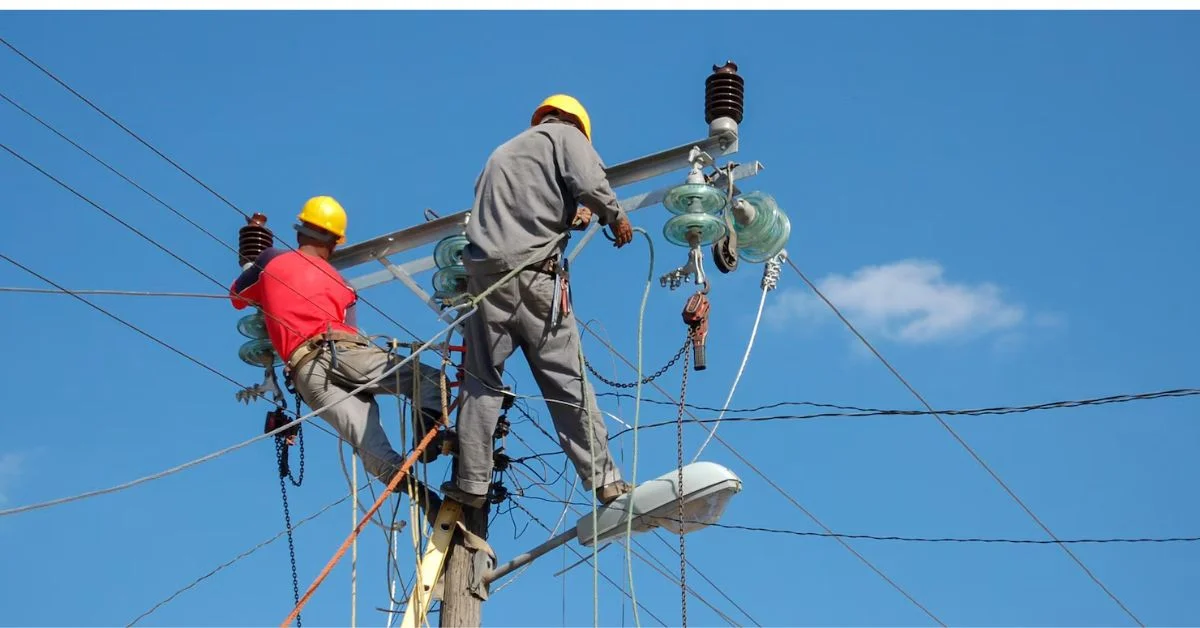
An electric utility is the company responsible for delivering electricity to homes and businesses in a specific service area. It often owns or maintains the wires, poles, meters, transformers, and local power delivery system.
The utility may also handle outages, service reliability, meter readings, emergency repairs, and certain delivery charges.
In some areas, the electric utility is also the company that sells electricity directly to customers. In other areas, customers may choose a separate retail supplier while the local utility still handles delivery.
What Is an Electricity Supplier?
An electricity supplier is a company that sells electricity plans to customers in markets where provider choice is available. It may also be called a retail electricity supplier, retail provider, or electricity provider.
The supplier may offer different rates, contract lengths, fixed or variable plans, green energy options, auto pay discounts, paperless billing, and other plan features.
The supplier usually does not own the local wires. If there is a power outage or downed line, the local utility is still the company responsible for restoring service.
Local Utility Handles the Wires
The local utility is usually responsible for the physical delivery system. This includes wires, poles, meters, and local grid equipment.
If a storm knocks out power, the utility handles repair work. If a meter needs to be read or inspected, the utility may handle that process. If there is a dangerous wire or electrical emergency, the utility should be contacted immediately.
Customers may choose a supplier in some locations, but they usually cannot choose the local utility because the utility is tied to the service territory.
Retail Supplier Handles the Plan
The retail supplier handles the electricity plan in areas where customers have supplier choice. This may include the energy rate, contract term, plan type, billing options, renewal terms, and customer account features.
When you compare electricity providers, you are usually comparing retail suppliers and their plans, not the local utility’s wires or outage response.
A supplier may offer the cheapest electricity plan, a fixed-rate plan, a month-to-month option, or a time-of-use plan. The best choice depends on your home, usage, budget, and service needs.
Regulated vs Deregulated Electricity Changes Your Options
Regulated vs deregulated electricity affects how much choice you have. In a regulated electricity market, the local utility usually handles both delivery and supply. Customers may have limited or no ability to choose another electricity supplier.
In a deregulated electricity market, customers may be able to choose a retail supplier while the local utility continues to deliver power through the same wires.
This is why electricity options can differ by ZIP code. A friend in another city may be able to compare electricity providers, while your address may have fewer options.
Billing Can Involve One Company or Two
Billing depends on the market and provider structure. In some areas, the electric utility sends one bill that includes both supply and delivery charges. In other areas, the retail supplier may bill you directly, or the utility bill may include supplier charges.
This can make bills confusing. A customer may see supply charges, delivery charges, base charges, taxes, and provider fees all on one statement.
Read each section carefully so you understand which company is charging for which part of service.
Service Issues Usually Go to the Utility
Service issues related to outages, downed wires, meter damage, emergency repairs, or local delivery problems usually go to the electric utility.
Plan issues, rate questions, contract questions, renewal notices, and supplier billing questions usually go to the electricity supplier.
Knowing who handles what can save time. Calling the wrong company may delay the answer, especially during an outage or billing dispute.
Electricity Facts Label Helps Explain Supplier Plans
The electricity facts label is important when comparing supplier plans. It explains the energy charge, base charge, contract length, usage levels, minimum usage rules, and other plan details.
Customers should review this label before choosing a supplier. A plan may advertise a low rate, but the electricity facts label may reveal fees or conditions that affect the actual bill.
This document is especially useful when comparing fixed vs variable energy plans or trying to avoid overpaying for electricity.
Fixed vs Variable Energy Plans Come From the Supplier
The comparison of fixed vs variable energy plans usually applies to the supplier’s plan. A fixed-rate plan generally keeps the energy rate stable during the contract term. A variable-rate plan may change based on supplier rules or market conditions.
A fixed plan can help with predictable billing. A variable plan may offer flexibility but can also increase the risk of bill changes.
Customers should review the plan type before enrolling, especially if they are choosing a supplier for the first time.
Cheapest Electricity Plan Still Needs Full Review
The cheapest electricity plan is not always the best plan once all fees are included. A low advertised rate may come with a base charge, minimum usage fee, early cancellation fee, or rate that only works at certain usage levels.
Customers should compare the total estimated bill, not only the rate shown in large print.
A supplier plan should fit your usage, home size, contract needs, and budget.
Minimum Usage Fee Electricity Plans Can Surprise Customers
A minimum usage fee electricity plan may charge an extra fee if monthly usage falls below a required threshold. This can affect small apartments, low-usage homes, seniors, frequent travelers, and energy-efficient households.
Customers may think using less electricity will always lower the bill, but a minimum usage fee can reduce those savings.
Review the supplier’s plan documents before enrolling so the bill does not surprise you later.
Base Charge Electricity Plan Adds Fixed Cost
A base charge electricity plan includes a fixed monthly fee that applies regardless of usage. This charge may appear along with energy charges and delivery charges.
A base charge can make low-usage bills feel higher because part of the bill stays the same even when electricity use drops.
When comparing plans, customers should review both the base charge and the usage rate.
High Electricity Bill Reasons Can Come From Usage or Plan Terms
Common high electricity bill reasons include heavy air conditioning, electric heating, old appliances, poor insulation, weather changes, increased household size, and longer appliance use.
Plan terms can also increase the bill. Variable rates, minimum usage fees, base charges, delivery charges, and renewal changes may all raise the total.
If your bill seems too high, check both electricity usage and supplier plan structure.
Energy Billing Mistakes Can Involve Either Company
Energy billing mistakes can happen when the wrong rate is applied, service dates are incorrect, a payment is not posted, or the wrong meter is connected to the account.
Some issues may involve the supplier. Others may involve the utility. For example, a wrong energy rate may be a supplier issue, while a meter reading issue may involve the utility.
Keep bills, plan documents, confirmation emails, and payment receipts so you can explain the problem clearly.
Overpaying for Electricity Can Happen After Renewal
Customers may be overpaying for electricity if their supplier plan renews at a higher rate, changes from fixed to variable pricing, or no longer matches their usage.
This can happen quietly if customers ignore renewal notices or stay on an old plan for too long.
Review your electricity plan before the contract ends and compare electricity providers if your market allows it.
Electricity Start Date Depends on Service Setup
Your electricity start date is the day service begins at the address. The supplier may enroll the plan, but the local utility may control certain activation details, meter status, or delivery requirements.
During a move, confirm the start date in writing. If service begins too late, the home may not have power when you arrive. If service begins too early, you may pay before you need it.
Start date planning is especially important for new home setup and apartment moves.
Electricity Service Transfer May Involve Both Companies
An electricity service transfer may involve your supplier, local utility, or both. If your current supplier serves the new address, you may be able to transfer the account. If not, you may need to choose a new supplier.
The local utility at the new address may also be different, which can change delivery charges or service rules.
To transfer utilities without interruption, confirm stop dates, start dates, account numbers, and provider availability early.
Renter Electricity Plan Choices Need Address Confirmation
A renter electricity plan should match the lease term, apartment size, expected usage, and move-out flexibility. Renters should also confirm whether the apartment is in a regulated or deregulated electricity area.
Apartment residents should ask the leasing office for the correct service address, unit number, meter number if needed, and utility responsibility.
Choosing the wrong supplier or entering the wrong unit can lead to billing confusion.
Electricity Setup Without a Lease May Need Approval
Electricity setup without a lease may be possible in some cases, but the provider may ask for proof of residence, landlord approval, ID verification, or move-in authorization.
The supplier may handle enrollment, while the utility may still control certain service activation steps.
Renters should not guess. Ask the landlord or property manager what documentation is needed before choosing an electricity start date.
Get Home Utilities Helps Customers Organize Service
Get Home Utilities helps households connect essential services, including Electricity Services, during moves, apartment setup, and new home planning.
When customers understand electric utility vs electricity supplier, it becomes easier to know which company handles wires, billing, service issues, plan selection, and transfer details. This can help families compare electricity providers, schedule service, and avoid confusion during a move.
A clearer setup process can reduce mistakes before the first bill arrives.
Time-of-Use Plan May Be a Supplier Option
A time-of-use plan charges different electricity rates depending on when power is used. In areas with supplier choice, this type of plan may be offered by certain electricity suppliers.
Time-of-use pricing may help households that can shift laundry, dishwashing, EV charging, or other high-use tasks to off-peak hours.
Customers should review the schedule, rate, and usage habits before choosing this plan type.
Reduce Electricity Consumption No Matter Who Supplies Power
Customers can reduce electricity consumption no matter which supplier they choose. Adjust thermostat settings, turn off unused lights, unplug idle devices, wash full laundry loads, and use appliances efficiently.
Lower usage can help reduce the variable part of the bill, but fixed fees may still apply.
A good plan and better usage habits work together to control costs.
Who to Call for Common Problems
Call the local utility for outages, downed wires, meter emergencies, service restoration, and local delivery issues.
Call the electricity supplier for plan rates, contract terms, renewal notices, billing questions, auto pay, paperless billing, and supplier account changes.
Call both if the issue is unclear. Start with the company listed on the bill and ask whether the issue belongs to the utility or supplier.
Final Thoughts
Understanding electric utility vs electricity supplier can help customers make better decisions and avoid confusion. The utility usually handles wires, meters, outages, and local delivery. The supplier may handle the electricity plan, rate, contract length, and billing features in areas with provider choice.
Customers should read the electricity facts label, compare fixed vs variable energy plans, check for minimum usage fees and base charges, and understand whether they live in a regulated or deregulated electricity market.
Knowing who handles what can help you choose the right plan, solve service issues faster, and avoid overpaying for electricity.
Frequently Asked Questions
What is the difference between an electric utility and electricity supplier?
The electric utility usually handles wires, meters, outages, and local delivery. The electricity supplier may sell the electricity plan and rate in areas with provider choice.
Who do I call during a power outage?
Call the local utility for outages, downed wires, emergency repairs, and service restoration.
Can I compare electricity providers everywhere?
No. Your ability to compare electricity providers depends on regulated vs deregulated electricity rules in your area.
Can the cheapest electricity plan still cost more?
Yes. The cheapest electricity plan may include base charges, minimum usage fees, variable rates, or contract terms that increase the total bill.
What document helps compare supplier plans?
The electricity facts label helps compare supplier plans by showing rates, fees, usage levels, contract terms, and other important details.
Can energy billing mistakes involve both the utility and supplier?
Yes. Energy billing mistakes may involve supplier rates, utility meter readings, service dates, payment posting, or account setup details.
