
Blog
Apartment Electricity Setup: What Renters Should Know Before Move-In

Moving into an apartment comes with more than packing boxes and signing a lease. Before move-in day, renters need to know who handles electricity, when service should start, whether the landlord has rules, and which provider can serve the unit.
Apartment electricity setup can be simple when the building already has active wiring and the renter knows what to do. It can also become confusing when the lease is unclear, the meter number is missing, the provider needs extra verification, or service responsibility is split between tenant and landlord.
The best time to handle electricity is before your apartment move. Choosing the right electricity start date, checking utility responsibility, and reviewing possible utility bill hidden fees can help you avoid move-in delays, billing mistakes, and overpaying for electricity.
Apartment Electricity Setup Starts With the Lease
Your lease should explain which utilities you are responsible for and which utilities are included in rent. Some apartments include water, trash, or gas, while electricity is often the tenant’s responsibility.
Read the lease carefully before setting up service. Look for language about electricity, utility accounts, move-in requirements, landlord rules, deposits, and billing responsibility.
If the lease does not clearly explain electricity responsibility, ask the property manager before choosing a provider. Starting service on the wrong date or under the wrong name can create confusion later.
Landlord Rules Can Affect Electricity Setup
Landlord rules may affect how and when electricity service is started. Some apartment communities require proof that electricity is active before releasing keys. Others may ask for confirmation from the provider before move-in.
Some buildings may have preferred providers, master-metered service, or special utility arrangements. In these cases, renters may not be able to choose from many Electricity Services.
Ask the landlord or leasing office whether you need to set up electricity directly, which provider serves the unit, and whether a meter number is required.
Utility Responsibility Should Be Confirmed Early
Utility responsibility means knowing who pays for what. In some apartments, the tenant pays electricity directly to the provider. In others, the landlord bills the tenant for usage. Some buildings include electricity in rent, especially in older or shared properties.
Do not assume every apartment works the same way. Utility responsibility can change by building, lease type, city, or management company.
Confirm this before move-in so you do not accidentally miss an account setup step.
Meter Number Matters in Apartments
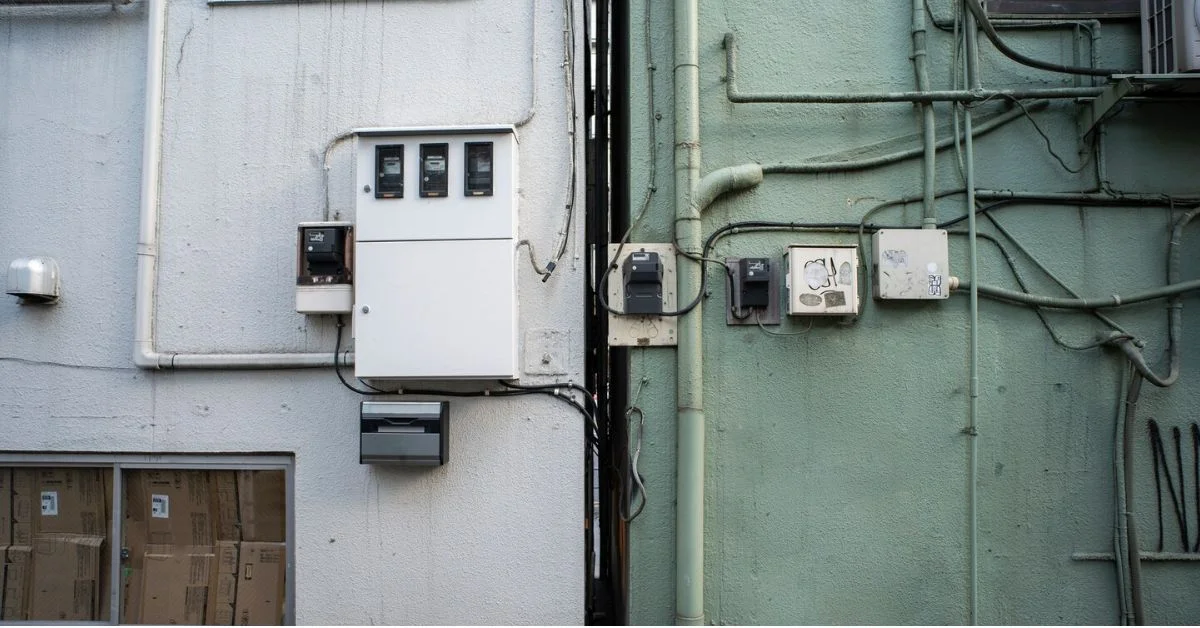
A meter number identifies the specific electricity meter connected to your apartment unit. In multi-unit buildings, meter numbers help providers make sure service is activated for the correct unit.
If the wrong meter is connected to your account, you could be billed for another unit’s usage. This is one of the most frustrating energy billing mistakes renters can face.
Ask the leasing office for the correct meter number if the provider requests it. Double-check the unit number, building number, and service address before submitting the order.
Choose the Right Electricity Start Date
Your electricity start date should match your move-in schedule. Many renters choose the lease start date or the day before move-in.
Starting service one day early can help you confirm the lights, outlets, refrigerator, air conditioning, heating, and appliances work before you move in fully. This is especially useful if you need to clean, unpack, or inspect the apartment before sleeping there.
Avoid waiting until move-in day if you can schedule earlier. A small delay can leave you without power during your first night.
Same-Day Electricity Service May Be Available
Same-day electricity service may be possible in some areas, but renters should not depend on it unless the provider confirms availability.
Same-day activation depends on the service address, ZIP code, meter status, provider processing, utility rules, and request time. If the order is placed late in the day, activation may not happen until the next business day.
If your apartment move is coming soon, request service early and keep confirmation details handy.
Electricity Service Transfer May Work for Some Renters
An electricity service transfer may be possible if you already have an electricity account and your current provider serves the new apartment. This can simplify the move because you may be able to stop service at the old address and start it at the new one through the same provider.
However, electricity service transfer is not always available. Your new apartment may be in a different service territory or building with different provider rules.
Ask your current provider whether they serve the new address before canceling or opening a new account.
Compare Utility Providers Before Choosing
Renters in deregulated markets may be able to compare utility providers before choosing electricity service. This can help you review rates, contract terms, deposits, fees, renewable options, and customer support.
Do not choose only based on the lowest advertised price. The cheapest electricity plan may include fees, usage thresholds, or renewal terms that make it more expensive later.
Compare the full plan details before signing up, especially if your lease is short or your apartment has low electricity usage.
The Cheapest Electricity Plan May Not Be Best
The cheapest electricity plan can look attractive during a move, especially when deposits, rent, movers, and furniture are already expensive. But electricity plans can be priced in different ways.
Some plans have base charges, minimum usage fees, variable rates, or promotional pricing that changes after a few months. Others may charge early cancellation fees if you move before the contract ends.
The best plan is not always the cheapest one upfront. It is the plan that fits your apartment size, lease term, usage habits, and budget.
Fixed vs Variable Energy Plans Affect Renters Differently
The comparison of fixed vs variable energy plans is important for renters. A fixed-rate plan usually keeps the energy rate steady for a contract term. A variable-rate plan may change based on market conditions or provider rules.
Fixed plans can help renters avoid surprise rate changes. Variable plans may offer flexibility, but bills can become unpredictable.
If your lease is short, check whether the contract length matches your rental period. A long fixed plan may not make sense if you plan to move soon.
Watch for Utility Bill Hidden Fees
Utility bill hidden fees can make an apartment electricity plan more expensive than expected. These may include base charges, late fees, connection fees, disconnection fees, minimum usage fees, early termination fees, payment processing fees, or paper billing fees.
Renters should review the electricity facts label, plan documents, and provider terms before signing up.
Hidden fees can lead to overpaying for electricity, especially in smaller apartments where usage may be low but fixed charges still apply.
Avoid Overpaying for Electricity in an Apartment
Overpaying for electricity often happens when renters choose a plan that does not match their usage. A low advertised rate may only apply at certain usage levels. If your apartment uses less electricity than that level, the average cost may be higher.
A renter in a small apartment may not need the same plan as a family in a large house. Check the plan’s pricing at different usage levels before choosing.
Also review your first bill carefully to make sure the start date, fees, and meter information are correct.
Get Home Utilities Can Help With Move-In Planning
Get Home Utilities helps renters and households connect essential services, including Electricity Services, during moves and new home setup.
When planning apartment electricity setup, it helps to think about all utilities needed for new home living, including electricity, internet, home security, water, gas, and moving support. Having these tasks organized before move-in can reduce confusion and help renters transfer utilities without interruption.
This is especially helpful when a lease starts soon and several services need to be active on the same date.
Utilities Needed for New Home Living
The list of utilities needed for new home living can vary by apartment. Electricity is usually required, but renters may also need internet, gas, water, trash service, parking access, renters insurance, and security setup.
Ask the leasing office which utilities must be in your name before move-in. Some apartments require electricity confirmation before giving keys.
Creating a utility checklist can help you avoid missed services during move-in week.
Transfer Utilities Without Interruption
To transfer utilities without interruption, coordinate the stop date at your old address and the start date at the new apartment. A short overlap can be useful if you need power for cleaning, moving, or final walkthroughs at the old place.
Avoid shutting off electricity too early at the old apartment. Also avoid starting electricity too late at the new one.
Good date coordination can prevent both service gaps and unnecessary extra charges.
Apartment Move Timing Can Affect Costs
An apartment move often includes overlapping rent dates, deposits, moving costs, and utility setup fees. Electricity timing can add to those costs if not planned carefully.
If your lease starts before you physically move in, decide whether electricity should begin on the lease start date or the actual move-in date. Some landlords may require service active from the lease start date.
Ask the property manager what is required so you can avoid fees or lease issues.
Energy Billing Mistakes Renters Should Watch For
Energy billing mistakes can happen when move-in dates, meter numbers, or account details are wrong. A renter may be billed before service should have started, after moving out, or for the wrong unit.
After your first bill arrives, review the service address, unit number, meter number if listed, billing dates, usage, fees, and rate.
If anything looks wrong, contact the provider quickly and keep your lease and activation confirmation available.
Time-of-Use Plan Options May Need Care
A time-of-use plan may charge lower rates during off-peak hours and higher rates during peak hours. This can work for renters who can shift laundry, dishwashing, charging devices, or other electricity use to lower-cost times.
It may not work well if you are home during peak hours and use air conditioning, heating, cooking appliances, or electronics heavily.
Renters should compare time-of-use pricing carefully before choosing it.
Reduce Electricity Consumption in an Apartment
Renters can reduce electricity consumption without making major property changes. Use LED bulbs, unplug unused chargers, manage thermostat settings, run full laundry loads, and turn off lights in empty rooms.
If your apartment has poor insulation or older appliances, report issues to the landlord. A faulty appliance or air leak can increase your bill.
Small daily habits can make a noticeable difference, especially in smaller apartments.
What If Electricity Is Already On?
Sometimes electricity is already on when you move into an apartment. This does not always mean the service is in your name.
The landlord, previous tenant, or building may still have temporary service active. You may still need to set up your own account by a certain date.
Ask the leasing office whether you need to transfer service into your name. Failing to do so may lead to shutoff or billing confusion later.
What If Electricity Is Off?
If electricity is off, contact the required provider or compare providers if your area allows choice. Ask whether same-day electricity service is available and what information is needed for activation.
Make sure you provide the exact unit number and meter number if required. Also ask whether a deposit or connection fee applies.
Power may not turn on instantly, so it is better to handle this before moving day.
Final Thoughts
Apartment electricity setup is easier when renters confirm lease rules, utility responsibility, meter number, provider options, and electricity start date before move-in.
A smooth setup helps prevent service delays, utility bill hidden fees, energy billing mistakes, and overpaying for electricity. It also helps you transfer utilities without interruption when moving from one apartment to another.
Before your apartment move, read the lease, ask the leasing office questions, compare plans carefully, and keep confirmation records. The right electricity setup can make move-in day much less stressful.
Frequently Asked Questions
What is apartment electricity setup?
Apartment electricity setup means arranging electricity service for a rental unit before or during move-in. It may involve choosing a provider, setting a start date, and confirming utility responsibility.
Do renters need an electricity start date?
Yes. Renters should choose an electricity start date based on the lease start date, move-in date, and landlord requirements.
Can renters get same-day electricity service?
Same-day electricity service may be available in some areas, but it depends on provider processing, meter status, ZIP code, and request timing.
What utility bill hidden fees should renters watch for?
Renters should watch for base charges, connection fees, early termination fees, minimum usage fees, paper billing fees, late fees, and payment processing fees.
Should renters choose the cheapest electricity plan?
The cheapest electricity plan is not always best. Renters should compare usage levels, contract terms, fees, fixed vs variable energy plans, and lease length.
How can renters avoid energy billing mistakes?
Renters can avoid energy billing mistakes by confirming the unit number, meter number, electricity start date, provider details, and billing dates on the first bill.
