
Blog
Security Risks During the First 30 Days After Moving

The first month after moving into a new home is busy. You are unpacking boxes, updating addresses, meeting neighbors, arranging utilities, setting up internet, and trying to settle into a normal routine. But this is also one of the most important times to think about safety.
Security risks after moving can be higher during the first 30 days because the home is unfamiliar, previous access may not be fully controlled, doors and windows may not be checked, and people may still be coming and going for deliveries, repairs, installations, and moving-related tasks. During a home move, families often focus on comfort first and security later. But waiting too long can leave gaps that should be fixed early.
A simple home security checklist can help you protect your family, belongings, and property from the beginning. It can also help you build better Security Habits, reduce Moving Day Theft risks, and avoid the kind of Smart Home Security Risks that can appear when old accounts, access codes, or connected devices are not updated after move-in.
Why the First 30 Days Matter
The first 30 days after moving are different from normal daily life. Your routine is not fully settled yet. Boxes may still be stacked near doors or windows. Deliveries may arrive often. Movers, utility technicians, contractors, cleaners, and service providers may need access to the property.
This creates more movement around the home than usual. It also makes it easier to overlook small security details.
You may not know which doors stick, which windows do not lock properly, whether outdoor lights work, or who still has keys from the previous owner, landlord, tenant, cleaner, or contractor. The sooner you check these issues, the safer the home becomes.
Vacant Homes Can Create Early Security Gaps
Vacant Homes can create security concerns before and shortly after move-in. If the property sat empty before you arrived, locks may not have been checked, mail may have collected, outdoor lights may have stayed off, and service providers may have accessed the property without a daily homeowner presence.
Even after moving in, parts of the home may still feel vacant if rooms are unused, boxes are stacked near windows, or the garage stays open during unpacking.
New homeowners should treat the first few weeks as a transition period. Check the property regularly, secure all entry points, and make sure the home starts looking occupied and managed as quickly as possible.
Change or Rekey the Door Locks
One of the first steps after moving is to change or rekey the locks. Even if the previous owner or landlord seems trustworthy, you do not know how many copies of the keys exist.
Keys may have been given to relatives, neighbors, contractors, dog walkers, cleaners, real estate agents, or past tenants. Rekeying the locks gives you control over who can enter the home.
If you are comparing home security systems, door security should still come first. An alarm can alert you after a door is opened, but strong lock control helps prevent unauthorized access in the first place.
Check Every Door
Front doors are not the only entry point. Back doors, side doors, garage entry doors, patio doors, basement doors, and sliding doors should all be checked after moving in.
Look for weak locks, loose hinges, damaged frames, gaps, broken handles, or doors that do not close fully. Sliding doors should have a working lock and may benefit from an added security bar or rod.
Door security is one of the simplest ways to reduce risk during the first month. You do not need to wait until the home is fully unpacked to check it.
Inspect Window Locks
Windows are easy to forget during a move, especially if curtains, boxes, or furniture are blocking them. But window locks are an important part of home security.
Check every window on the ground floor, basement level, and any accessible upper level. Make sure locks work properly and that windows close fully. Look for damaged screens, cracked glass, or loose frames.
If a window does not lock, fix it quickly. A home can have strong front-door security and still remain vulnerable through an overlooked window.
Secure the Garage
Garages are often full of valuable items after a move, including tools, bikes, boxes, appliances, and storage bins. They may also provide direct access into the home.
Check the garage door opener, side door, interior door, and any windows. Reset garage door opener codes if possible, especially if the home had previous occupants.
Do not leave the garage door open while unpacking unless someone is watching the area. Moving boxes can make it obvious that the home is newly occupied and still unsettled.
Watch for Moving Day Theft
Moving Day Theft can happen when boxes, electronics, tools, documents, and personal items are left unattended during loading or unloading. Doors may stay open, the moving truck may sit outside, and family members may be too busy to notice small items going missing.
To reduce this risk, keep valuables with you, watch the moving truck, avoid leaving boxes outside, and make sure someone is near the main entry point while movers are working.
This habit should continue after the move. The first few days can still feel chaotic, so keep important items secured until the home is fully organized.
Review Alarm Systems
If the home already has an alarm system, do not assume it is ready to use. The system may be inactive, outdated, disconnected, or still linked to a previous account.
Contact the provider, reset access codes, update contact information, and test sensors. If the existing system does not meet your needs, compare options before choosing a new one.
When you choose home alarm system features, think about the size of the home, entry points, family routine, pets, monitoring needs, mobile app access, and whether you want professional monitoring or self-monitoring.
Understand Home Security System Cost
Many families delay security planning because they are unsure about home security system cost. Costs can vary depending on equipment, monitoring, installation, cameras, sensors, smart locks, and contract terms.
A basic system may include door and window sensors, a control panel, and an alarm. A more advanced setup may include cameras, motion sensors, smart locks, video doorbells, smoke detection, flood sensors, and professional monitoring.
Before choosing a system, compare upfront equipment costs, monthly monitoring fees, installation charges, cancellation terms, and upgrade options. The cheapest option may not cover the risks that matter most to your home.
Install or Update Security Cameras
Security cameras can help you monitor doors, driveways, porches, garages, side yards, and back entrances. They can also help deter theft and provide useful footage if something happens.
The best home security cameras for a new home are the ones that match your property layout. A small apartment may only need a video doorbell or entry camera. A larger home may need cameras at multiple entry points.
When choosing cameras, think about night vision, motion alerts, storage, weather resistance, Wi-Fi strength, power source, and app access. Camera placement matters as much as camera quality.
Use Smart Home Security Carefully
Smart home security can make a new home easier to manage. Smart locks, video doorbells, motion sensors, cameras, smart lights, and mobile alerts help homeowners monitor activity even when they are away.
However, smart devices should be set up securely. Change default passwords, update apps, use strong Wi-Fi passwords, enable two-factor authentication when available, and remove access for previous users.
Smart Home Security Risks can appear when old users still have app access, default passwords remain unchanged, cameras are connected to old accounts, or smart locks still have temporary codes. A smart lock or camera is only helpful if the account is under your control. During the first 30 days, check every connected device and make sure old users no longer have access.
Build Strong Security Habits
Security Habits matter most during the first month because your routines are still forming. Make it normal to lock doors at night, close the garage, check windows, bring in packages, review camera alerts, and arm the alarm when leaving.
Small habits can prevent bigger problems. A home does not become secure from one device alone. It becomes safer when everyone in the household follows the same routines every day.
These habits are especially useful while unpacking, receiving frequent deliveries, and adjusting to a new neighborhood.
Improve Outdoor Lighting
Outdoor lighting can reduce hiding spots and make your home look occupied. Check porch lights, driveway lights, garage lights, side-yard lights, and backyard lighting.
Motion sensor lights are especially useful near entry points. They turn on when someone approaches and can draw attention to movement around the home.
If outdoor lights are broken or too dim, replace bulbs or upgrade fixtures. Good lighting is a simple security improvement that can be done quickly after moving in.
Watch for Moving Day Exposure
Moving day can expose your belongings. Boxes, furniture, TVs, computers, appliances, and personal items may be visible from the street or driveway. People may see what is being brought into the home.
Try to move valuable items quickly indoors and avoid leaving boxes unattended outside. Keep jewelry, documents, electronics, and small valuables with you instead of placing them in open areas.
If you are using a Moving Service, keep an inventory of important items and make sure someone is present while loading and unloading.
Protect Personal Information
Security risks after moving are not only physical. Identity theft can also be a concern. Moving creates paperwork, mail changes, billing updates, utility accounts, and delivery records.
Shred documents you no longer need. Keep IDs, passports, bank papers, medical records, insurance documents, and closing paperwork in a secure folder.
Update your mailing address quickly so sensitive mail does not go to the old home. Also check that packages and bills are being delivered to the correct address.
Prevent Package Theft
New homes often receive many deliveries during the first month. Furniture, appliances, décor, tools, internet equipment, and household essentials may arrive at different times.
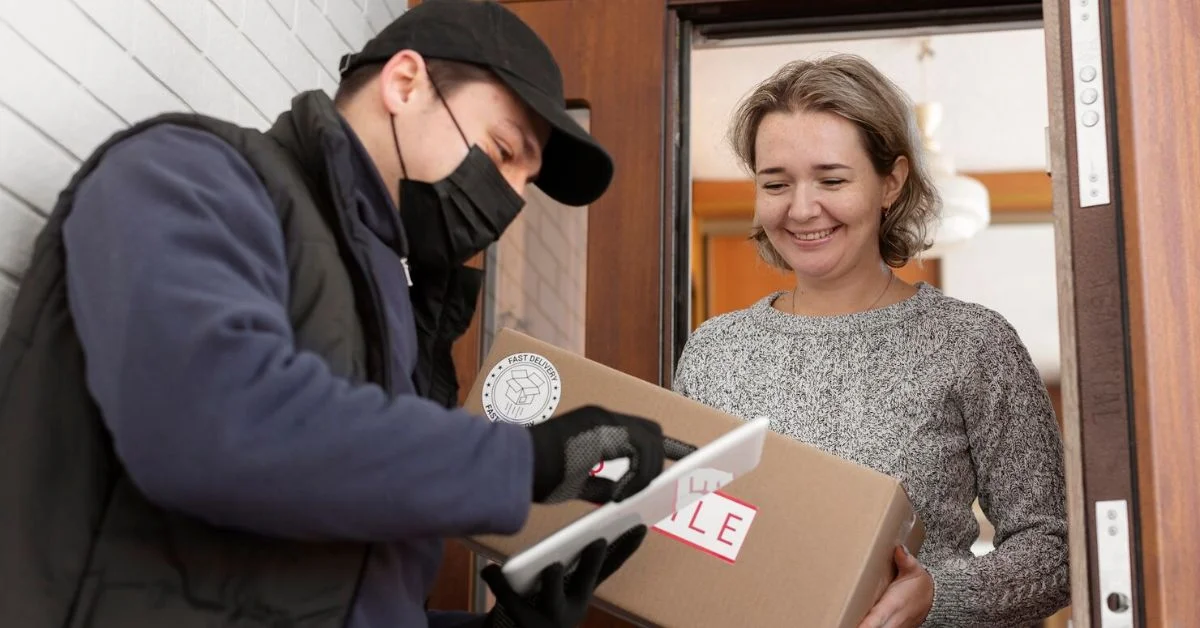
Frequent deliveries can make the home a target for porch theft. Use tracking alerts, delivery instructions, lockboxes, smart doorbells, or pickup locations when needed.
Avoid leaving packages outside for hours. If you are away during the day, ask a trusted neighbor or family member to collect important deliveries.
Meet the Neighbors
Neighbors can be an important part of home security. They know the area, notice unusual activity, and may be able to tell you about common local issues.
Introduce yourself to nearby neighbors when possible. You do not need to share personal details, but basic familiarity can help create a safer environment.
Ask about package delivery patterns, parking concerns, neighborhood watch groups, and any safety tips for the area.
Learn the Neighborhood Routine
Every neighborhood has a routine. You may notice when people walk dogs, when school buses arrive, when trash is collected, when delivery drivers come through, and when streets become quiet.
Learning this routine helps you notice what feels unusual. During the first 30 days, pay attention to traffic, lighting, parking, foot traffic, and nearby construction or vacant homes.
Neighborhood safety is not about fear. It is about awareness.
Control Contractor and Technician Access
During the first month, you may have several people visiting the home for repairs, installations, inspections, deliveries, or utility setup. This can include internet technicians, electricians, plumbers, security installers, furniture delivery teams, and contractors.
Confirm appointments before letting anyone inside. Ask for identification when appropriate. Do not leave workers alone in private areas unless necessary and trusted.
If you provide temporary access codes, remove or change them after the work is complete.
Keep Entry Areas Clear
Boxes can block doors, windows, hallways, and sightlines. This can create safety and security problems.
Keep main entry points clear so you can move quickly, lock doors properly, and see outside when needed. Do not stack valuables near windows where they are visible from outside.
A tidy entry area also helps you notice if something is missing, moved, or damaged.
Update Emergency Contacts
After moving, update emergency contacts connected to home security systems, monitoring services, schools, workplaces, medical providers, and family records.
If you install a monitored alarm system, make sure the emergency contact list is current. If an alarm is triggered, outdated contact details can delay response.
Also save local non-emergency police, fire department, utility company, and security provider numbers in your phone.
Test Smoke and Carbon Monoxide Detectors
Home security also includes safety from fire and gas risks. Test smoke detectors and carbon monoxide detectors as soon as you move in.
Replace batteries if needed. Check expiration dates on older devices. Make sure detectors are placed near bedrooms, hallways, kitchens, garages, and other important areas based on your home layout.
These devices are easy to overlook during a move, but they are essential.
Build a Home Security Checklist
A practical home security checklist can help you cover important tasks without feeling overwhelmed. During the first 30 days, include lock changes, window checks, garage security, alarm testing, camera setup, outdoor lighting, package delivery planning, smart device password updates, and emergency contact updates.
You can complete some tasks on move-in day and others during the first few weeks. The goal is steady progress, not panic.
A checklist makes security easier to manage while you are still settling in.
Security Risks for Renters
Renters should also take security seriously after moving. Even if you cannot change every lock or install a full alarm system, you can still improve safety.
Ask the landlord about rekeying locks. Check window locks, door locks, lighting, and smoke detectors. Use renter-friendly cameras, doorbell options, or portable security devices where allowed.
Renters should also review lease rules before installing smart locks or mounted cameras.
Security Risks for Homeowners
Homeowners have more control over security upgrades. You can rekey locks, install cameras, add lighting, choose alarm systems, upgrade doors, and build a smart security setup.
Start with the basics before spending on advanced technology. Strong locks, working windows, clear lighting, and controlled access are the foundation.
Then compare home security systems, cameras, sensors, and monitoring options based on your property and budget.
How Get Home Utilities Helps
Moving into a new home means setting up more than furniture. You may need electricity, gas, water, internet, home security, and moving support. Get Home Utilities helps homeowners connect essential services, including Home Security Service and Moving Service, so the first month feels more organized.
Instead of treating security as a task for later, you can include it in your move-in plan from the start.
This helps reduce security risks after moving and makes the home feel safer sooner.
Highlighted Takeaway
Get Home Utilities helps families connect essential services, including Home Security Service and Moving Service, so a home move feels safer, better planned, and easier to manage during the first 30 days.
Final Thoughts
Security risks after moving are common because the home, neighborhood, access points, and routines are still unfamiliar. The first 30 days are the best time to rekey locks, inspect doors and windows, review alarm systems, install cameras, update smart home security, and build a practical home security checklist.
You do not need to do everything in one day. Start with the most important steps: control access, check entry points, secure valuables, protect deliveries, and make sure emergency systems work.
A safer home starts with early action. The sooner you address security after moving, the more confident and comfortable your family will feel.
Frequently Asked Questions
What are the biggest security risks after moving?
The biggest security risks after moving include old keys, weak door locks, unlocked windows, garage access, package theft, unsecured smart devices, poor lighting, and unknown neighborhood routines.
Should I change locks after a home move?
Yes, changing or rekeying locks is one of the first security steps after a home move because you do not know how many copies of the old keys exist.
How much does a home security system cost?
Home security system cost depends on equipment, installation, monitoring, cameras, sensors, and contract terms. Compare both upfront and monthly costs before choosing.
What are the best home security cameras for a new home?
The best home security cameras depend on your layout. Consider cameras for entry doors, driveways, garages, porches, side yards, and any area where visibility is important.
How do I choose home alarm system options?
Choose home alarm system features based on entry points, home size, monitoring needs, mobile app access, smart home security preferences, pets, and budget.
What should be on a home security checklist?
A home security checklist should include rekeying locks, checking doors and windows, securing the garage, testing alarms, installing cameras, updating smart device passwords, improving lighting, and planning package delivery.
