
Blog
Water Infrastructure Rates Explained: Why Water Bills Are Increasing

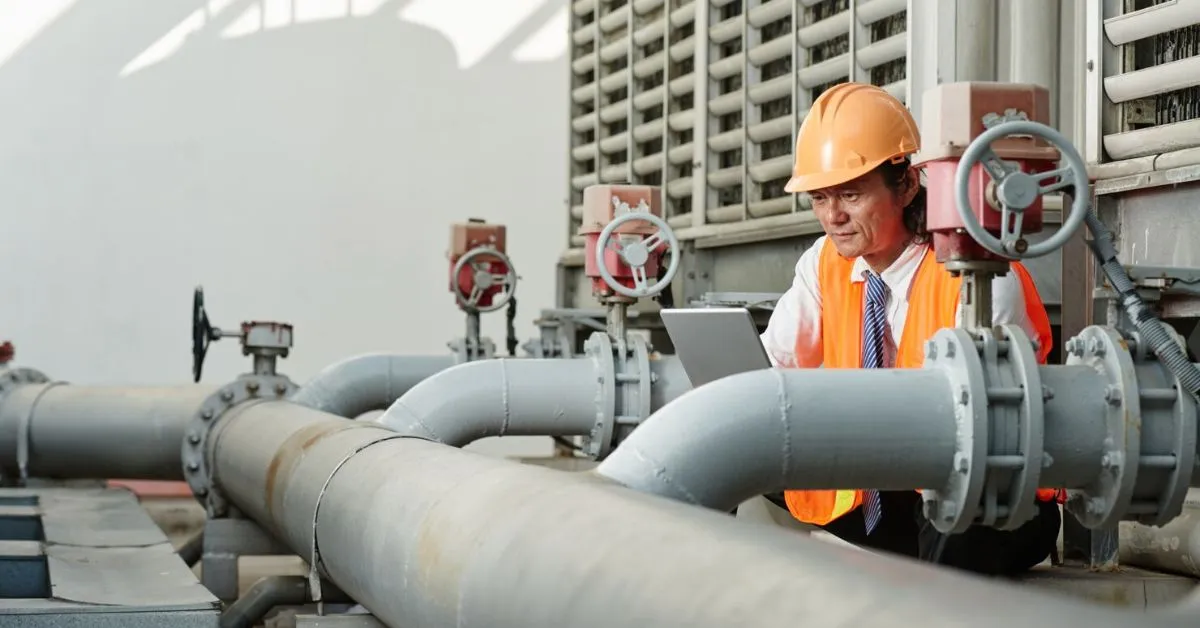
When your water bill goes up, it’s easy to assume it’s because you watered the lawn more often or adjusted your watering schedule during hotter weather. But in many cases, rising costs have nothing to do with how you’re watering your garden efficiently or following local drought rules. Instead, they’re tied to long-term investments your utility must make in essential water infrastructure rates.
From pipeline upgrades to expanding treatment plants and funding multi-year capital projects, water providers face growing demands and those expenses eventually show up in the form of rate increases. Understanding why these increases happen helps you see where your money goes and how it supports a safe, reliable water system.
What Is Water Infrastructure?
Water infrastructure includes every component needed to collect, treat, transport, store, and deliver clean, safe drinking water. This system is much bigger and more complex than most homeowners realize.
Major components include:
- water mains and service pipelines
- treatment plant facilities
- pumping stations
- storage tanks and reservoirs
- monitoring and control systems
- filtration and disinfection equipment
- emergency redundancy systems
Just like installing drip irrigation or applying mulching improves efficiency in your garden, utilities must modernize infrastructure to improve efficiency system-wide.
Why Are Rate Increases Becoming More Common?
Water systems across the U.S. are aging. Many pipelines are 50–100 years old some even older. Treatment plants built decades ago now struggle to meet modern demand and updated water quality standards.
Here’s what’s driving costs up:
1. Pipeline Upgrades
Aging pipes are prone to leaks, breaks, and contamination risks. Pipeline replacement is incredibly expensive due to:
- excavation
- traffic disruption
- labor costs
- environmental compliance
As water rights regulations tighten in many water rights states, utilities must ensure their systems support both supply stability and conservation goals.
2. Treatment Plant Modernization
Treatment plants must evolve to meet updated EPA standards and remove emerging contaminants. Upgrades may include:
- new filtration systems
- improved chemical treatment processes
- advanced monitoring technology
- energy-efficient pumping systems
These improvements keep your water safe while also increasing operational and capital expenses.
3. Capital Projects
Long-term investments (sometimes spanning 10–20 years) may involve:
- building new treatment facilities
- expanding reservoirs
- upgrading pump stations
- installing advanced metering systems
- adding drought-resilient water sources
These capital projects ensure capacity for growing populations and climate-related uncertainty.
4. Climate Impacts & Drought Regulations
More frequent droughts don’t just affect drought rules for homeowners they push utilities to invest in:
- alternative water supplies
- groundwater recharge projects
- conservation programs
- drought-resistant infrastructure
These initiatives protect long-term availability but significantly increase utility budgets.
5. Rising Energy & Operational Costs
Water treatment and distribution require high energy usage. As electricity and fuel costs rise, utility operating budgets rise with them.
What Your Rates Actually Pay For
Your monthly bill isn’t just about the water you use. You’re supporting:
- reliable water pressure
- safe, treated water that meets federal standards
- emergency repairs when pipelines break
- staff training and certifications
- quality testing and reporting
- compliance with health and environmental regulations
This is similar to how your garden needs more than water alone proper tools, drip irrigation, and mulching all contribute to healthy plant growth. Infrastructure needs continual support to function reliably.
Why Capital Projects Cannot Be Delayed
Utilities are required to meet strict federal and state water quality and safety standards. Postponing upgrades can lead to:
- more frequent main breaks
- contamination risks
- boil-water notices
- operational failures during drought
- safety violations and fines
Many states especially those using prior appropriation or groundwater rights frameworks require rigorous reliability planning, which increases capital spending.
How Rate Increases Are Determined
Utilities calculate rates based on:
- projected costs of infrastructure upgrades
- maintenance and operational expenses
- debt service for large projects
- regulatory requirements
- expected demand levels
- conservation impacts (lower usage = less revenue)
Public utilities must justify rate increases through transparent processes, often involving community meetings, published reports, or public utility commission approvals.
How Homeowners Can Prepare for Future Rate Changes
Although you can’t control infrastructure costs, you can take steps to manage your own water use effectively:
1. Improve Outdoor Efficiency
Your previous efforts in garden watering efficiently, using drip irrigation, and practicing mulching help keep bills stable even when rates rise.
2. Follow Local Drought Rules
Staying compliant avoids fines and helps utilities manage limited supplies.
3. Fix Indoor Leaks Immediately
Leaky toilets, faucets, and irrigation systems waste gallons each day.
4. Monitor Your Water Provider’s Plans
Look for annual reports, infrastructure updates, and long-term planning documents.
Understanding why your bill changes keeps you ahead of surprises.
Check out the Water Page today to compare providers, understand rate structures, and learn how infrastructure upgrades impact your costs.
Final Thoughts
Rate increases are never pleasant, but they’re often essential. Modernizing pipelines, expanding treatment plants, and funding major capital projects ensure safe, reliable water now and decades into the future.
By understanding how water infrastructure rates are set and continuing efficient habits like smart garden watering you gain more control over your long-term water expenses while supporting a healthier, safer water system for everyone.