
Blog
Water Hardness Softening Solutions: What Homeowners Need to Know

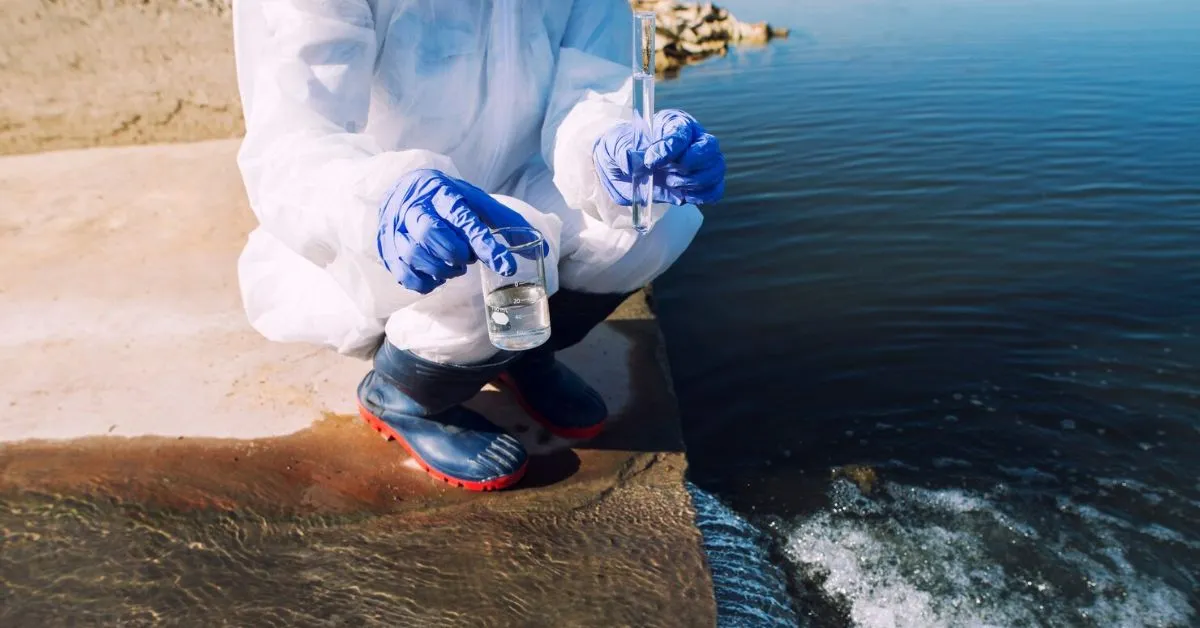
If your faucets are spotted, your dishes feel chalky, or your skin feels dry after every shower, you may be dealing with Hard Water. While hard water isn’t harmful, it is inconvenient and in many homes, it leads to higher costs, appliance wear, and poor cleaning performance. That’s where Water Hardness Softening solutions come in.
Understanding the mineral makeup of your water, how it affects your plumbing, and whether a Softener System makes sense is essential. And if you’ve recently done High Water Bill Troubleshooting, including Leak Detection, Meter Reading, or evaluating potential Meter Error, this is the perfect next step: assessing whether hardness is contributing to inefficiencies, clogs, or scale buildup that can quietly raise usage.
What Is Water Hardness?
Water is considered “hard” when it contains high levels of dissolved minerals, primarily:
- Calcium
- Magnesium
- Iron (in some regions)
As water moves through soil and rock, it absorbs minerals. The higher the Mineral Content, the harder the water becomes.
You’ll notice hard water when:
- soap doesn’t lather well
- white scale forms on shower doors
- faucets accumulate crusty deposits
- laundry looks dull
- water heater performance declines
While this doesn’t directly cause Seasonal Usage spikes or billing errors, it can contribute to inefficiency in appliances, reducing flow and making systems work harder.
How Hard Water Affects Your Home
1. Scale Buildup in Pipes
Mineral deposits narrow pipe openings over time. As buildup worsens, water pressure decreases, and appliances work harder.
2. Reduced Appliance Lifespan
Dishwashers, washing machines, and water heaters fail sooner in hard-water regions. Scale forces them to heat more water for longer.
3. Higher Utility Costs
Hard water doesn’t directly cause Meter Error, but scale buildup can increase energy usage, and clogged valves or toilets can mimic leak-like behavior.
4. Staining on Fixtures
Those chalky white mineral streaks come from calcium deposits drying on surfaces.
How to Test for Hard Water
If you’ve already been practicing High Water Bill Troubleshooting, then you’re familiar with documenting conditions and cross-checking consumption.
Testing hard water is equally simple:
- purchase a home test strip kit
- request a water quality report from your provider
- check mineral levels measured in mg/L or grains per gallon (gpg)
General hardness levels:
- 0–60 mg/L = soft
- 61–120 mg/L = moderately hard
- 121–180 mg/L = hard
- 181+ mg/L = very hard
If your results are high, a Softener System might be worthwhile.
Softening Solutions: What Actually Works?
1. Traditional Salt-Based Water Softener
Best for removing calcium and magnesium entirely.
- produces noticeably softer water
- protects pipes and appliances
- requires salt refilling and maintenance
2. Salt-Free Conditioners
These don’t remove minerals but prevent them from sticking to pipes.
- lower maintenance
- eco-friendly
- good for moderate hardness
3. Whole-House Filter + Softener Combo
Ideal if you also have sediment or iron along with hardness.
4. Point-of-Use Scale Removal
Faucet or showerhead filters can reduce spotting on fixtures useful for renters.
If you’ve dealt with Leak Detection in the past, remember that softened water reduces internal pipe stress, lowering the chance of leaks formed from scale expansion.
Scale Removal: Fixing Existing Damage
Even with a new system, you may need to remove old deposits.
Common methods include:
- vinegar soaks on fixtures
- descaling water heater tanks
- flushing appliances
- replacing scale-damaged aerators or showerheads
These actions not only improve performance but help avoid false “high usage” impressions which you might have previously checked during High Water Bill Troubleshooting.
Hard Water and Your Water Heater
Hardness affects your heater more than any other appliance. Scale reduces efficiency, causing:
- longer heating cycles
- higher energy bills
- premature system failure
If you ever found suspicious usage changes while doing Seasonal Usage comparisons, scaling inside your heater could be a hidden factor.
Maintenance Tips for Consistently Soft Water
- Replace softener salt on schedule.
- Clean brine tanks annually.
- Test your water hardness every 6–12 months.
- Inspect fixtures for new scale growth.
- Perform preventive Leak Detection around softeners and connections.
Water softening systems intersect with your home’s plumbing the way shutoff valves and meter readings do they create reliability when maintained routinely.
Check out the Water Page today to explore softening systems, compare hardness levels in your area, and learn which solution best protects your home and plumbing.
Final Thoughts
Dealing with hard water is more than a cosmetic issue it affects pipes, appliances, and overall efficiency. By understanding Water Hardness Softening options, you can protect your home from scale, improve water quality, and maintain consistent performance across your entire system.
And after learning how to manage High Water Bill Troubleshooting, use Meter Reading correctly, and locate your Water Shutoff Valve, addressing hardness is a natural next step in creating a resilient, efficient home water system.