
Blog
Tankless Gas Water Heaters vs Traditional Tanks

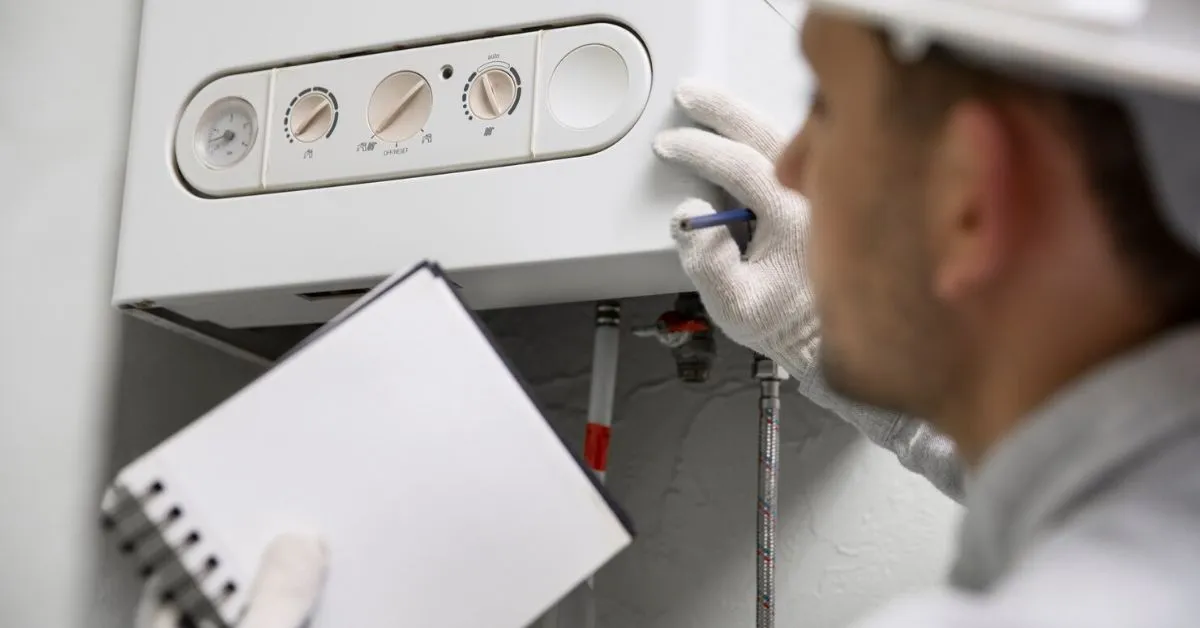
If you’ve ever waited impatiently for your shower to warm up or run out of hot water halfway through a laundry cycle, your water heater may be ready for an upgrade. When choosing between a tankless gas water heater and a traditional storage tank, homeowners often weigh efficiency, performance, and long-term savings.
While both systems have their merits, understanding how they work and what fits your household needs best can make all the difference in comfort and cost.
How Gas Water Heaters Work
Both traditional and tankless water heaters rely on natural gas to heat water, but they use it in very different ways.
- Traditional (Storage Tank) Heaters heat and store 30–80 gallons of water continuously, maintaining a preset temperature even when not in use.
- Tankless Gas Water Heaters, often called “on-demand” heaters, heat water only when it’s needed delivering endless hot water without storing it.
This fundamental difference impacts energy consumption, efficiency, and even how long each system lasts.
The Traditional Storage Tank: Reliable and Familiar
The storage tank heater has been a mainstay in homes for decades. It’s reliable, affordable, and easy to install making it a convenient option for most households.
Pros:
- Lower upfront cost (typically $500–$1,000).
- Simple design and easy maintenance.
- Can provide hot water to multiple fixtures at once.
Cons:
- Constantly reheats water, leading to energy loss.
- Limited capacity when the tank empties, you must wait for reheating.
- Shorter lifespan, typically 8–12 years.
If you’re focusing on lower gas bill tips, a traditional tank heater may still be cost-effective especially when paired with insulation wraps, regular flushing, and proper gas furnace maintenance to ensure efficient operation.
The Tankless Gas Water Heater: Efficient and Modern
The tankless gas water heater is designed for energy-conscious homeowners who want hot water on demand without standby heat loss.
Pros:
- Efficiency: Heats water only as needed, reducing fuel consumption by up to 30%.
- Longevity: Can last 20+ years with proper maintenance.
- Space-saving design: Compact units mount on walls and free up floor space.
- Endless hot water: Perfect for larger households or back-to-back showers.
Cons:
- Higher upfront cost ($1,500–$3,000 installed).
- May require gas line or venting upgrades.
- Limited simultaneous use capacity unless multiple units are installed.
Over time, the savings on energy and reduced gas use often balance the higher initial tankless heater investment especially for families with high hot water demand.
Efficiency: The Real Cost Difference
Efficiency is where tankless models shine. Traditional tanks lose energy through “standby heat loss” they burn gas periodically to keep stored water hot, even when no one’s using it.
Tankless heaters eliminate this inefficiency by heating water only when needed. On average:
- Traditional tanks: 58–65% efficiency.
- Tankless gas water heaters: 85–95% efficiency.
That difference can translate into 15–30% savings on annual fuel costs. Combine that with smart thermostats and proper insulation, and your overall gas appliance efficiency improves significantly.
Performance and Lifestyle Considerations
For Large Families
If multiple people are using hot water simultaneously showers, laundry, and dishes a storage tank may handle the load more easily since it has a ready reserve.
For Small or Energy-Savvy Homes
A tankless gas water heater delivers endless hot water but at a limited flow rate. However, most modern units can handle 3–5 gallons per minute, plenty for typical households.
For even better performance, homeowners can install two smaller tankless units one for bathrooms and one for kitchen/laundry to ensure continuous flow without interruptions.
Installation and Maintenance Differences
Storage Tank Systems
- Easier to install and connect to existing plumbing.
- Require periodic flushing to remove sediment buildup.
- Replacement usually means installing a new tank entirely.
Tankless Gas Systems
- Installation can be more complex, often requiring venting adjustments or gas line upgrades.
- Require annual descaling in hard-water areas to maintain efficiency.
- Parts are replaceable individually, extending lifespan beyond 20 years.
If you already schedule gas furnace maintenance each fall, add tankless maintenance to the same appointment keeping both systems in top condition.
Cost and Lifespan Comparison
| Feature | Traditional Tank | Tankless Gas Water Heater |
| Upfront Cost | $500–$1,000 | $1,500–$3,000 |
| Lifespan | 8–12 years | 20+ years |
| Efficiency | 58–65% | 85–95% |
| Hot Water Supply | Limited by tank size | On-demand, continuous |
| Space Requirements | Large, floor-mounted | Compact, wall-mounted |
While the tankless gas water heater costs more upfront, its longevity and fuel efficiency often make it the smarter investment for long-term homeowners.
Environmental and Safety Factors
Modern natural gas safety standards apply to both systems, but tankless units have an edge: they produce fewer emissions due to reduced fuel usage.
Pairing an efficient water heater with a fixed gas rate plan can stabilize monthly costs, making it easier to predict bills during high-demand winter months.
Some natural gas providers also offer rebates for ENERGY STAR-certified tankless models, rewarding households that prioritize efficiency and lower emissions.
Making the Right Choice
When deciding between systems, consider your household’s size, water usage, and long-term plans:
- Choose a tankless gas water heater if you value efficiency, longevity, and endless hot water.
- Stick with a storage tank if you want a lower upfront cost or need a simple replacement for an older unit.
For renters or those planning to move soon, a traditional system may suffice. But for homeowners focused on gas appliance efficiency and future savings, tankless systems offer unmatched performance and sustainability.
Check out the Natural Gas page today to compare efficient heating solutions, explore tankless systems, and find the best providers for your home’s energy needs.
Final Thoughts
Both tankless gas water heaters and traditional storage tanks have a place in today’s homes. The key is choosing the right balance between cost, efficiency, and comfort.
A tankless system reduces energy waste, lasts nearly twice as long, and provides endless hot water ideal for families seeking lower bills and long-term value.
If your current water heater is aging or inefficient, consider this an opportunity to upgrade your home’s comfort and energy performance. Combine your decision with a review of your natural gas provider, compare rates, and enjoy reliable, efficient hot water all year round.
Stay Ahead of Price Swings
Keep your home comfortable and efficient. Visit Get Home Utilities’ Natural Gas page today to explore tankless and traditional heater options, compare plans, and make the switch with confidence.