
Blog
Solar vs Green Energy Plans: Which Is Right for You?

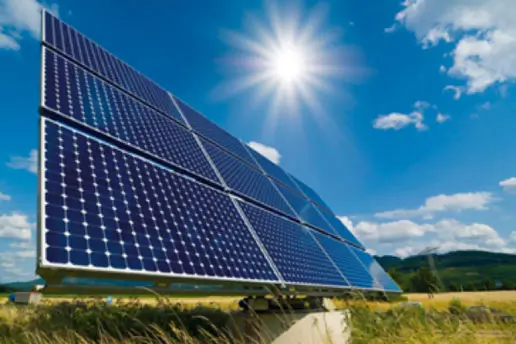
Today, more Americans than ever are looking for green energy plans to power their homes. Whether your goal is to lower your carbon footprint, reduce long-term energy costs, or support sustainable infrastructure, clean energy is more accessible now than ever before.
But here’s where many people get stuck:
Should you install solar panels or just switch to a green energy plan from your electricity provider?
Both options offer environmental benefits, but they work very differently in terms of cost, setup, and control. In this guide, we’ll break down the solar vs green energy plan, explore the pros and cons of each, and help you decide which path fits your home and lifestyle best.
What Are Green Energy Plans?
A green energy plan is an electricity plan offered by a utility or provider that supplies power from renewable sources like:
- Wind energy
- Solar farms
- Hydroelectric plants
- Geothermal or biomass energy
These plans often come bundled with Renewable Energy Certificates (RECs), which prove that for every unit of electricity you use, an equivalent amount was generated from a clean source and added to the power grid.
You don’t need to install anything.
You simply choose a green electricity plan through your provider—and start receiving energy from renewable sources (even if it’s still delivered through traditional infrastructure).
What Is Solar Energy for Homes?
When we talk about solar energy, we typically mean rooftop solar panels installed on your home. These panels absorb sunlight and convert it into electricity, which you can use to power your home directly.
Solar power can:
- Reduce your dependence on the grid
- Lower your monthly electricity bill (sometimes eliminate it)
- Allow you to earn credits through net metering
- Qualify you for tax credits or local incentives
But installing solar panels requires:
- Upfront investment
- A south-facing roof with good sun exposure
- A long-term commitment to your home
Comparing Cost: Green Energy vs Solar Panels
Let’s start with what most people care about—cost.
Green Energy Plans:
- No upfront cost
- Often slightly higher per-kWh rates than standard plans (1–3¢/kWh more)
- Monthly bill remains consistent, just from a cleaner source
- Can cancel or switch providers depending on your contract
Solar Panels:
- High upfront installation cost ($10,000–$25,000 before incentives)
- Federal tax credit available (~30%)
- Long-term savings over 10–20 years
- Requires maintenance and monitoring
Verdict: Green energy plans offer immediate access to clean power without the financial hurdle. Solar requires investment, but may offer greater savings over time.
Environmental Impact: Which Option Is Greener?
Both are better than relying on fossil fuels. But how do they stack up?
Green Energy Plans:
- Offset your usage with RECs
- Support broader clean energy grid investments
- Less direct control over where your energy comes from
- Still depends on centralized generation and transmission
Solar Panels:
- Generate power on-site (zero transmission loss)
- Reduce local grid demand
- Potentially achieve full energy independence if paired with battery storage
- Impact depends on your region’s sunlight levels and panel size
Verdict: Solar has the edge for personal sustainability, but green plans allow you to support clean energy even if you can’t install panels.
Installation & Setup
Green Energy Plans:
- Zero setup
- Choose a plan online or through your utility
- No equipment, inspections, or home modifications required
- Can switch providers if you’re in a deregulated market
Solar Panels:
- Requires roof inspection and system design
- Permitting and professional installation
- May take several weeks to complete
- Long-term agreement (ownership or leasing)
Verdict: Green plans are plug-and-play. Solar requires time, planning, and homeownership.
Availability by Location
Green energy plans are more widely available than ever before—but there’s a catch.
Green Energy Plans:
- Available in many deregulated markets (e.g. Texas, Illinois, Pennsylvania)
- Limited or unavailable in regulated utility markets
- Offer partial or 100% renewable sourcing
Solar:
- Depends on sunlight exposure in your area
- Ideal in sunny states like California, Arizona, Nevada, and Texas
- Less efficient in cloudy or shaded regions
- Roof orientation and age matter
Verdict: Green plans are available to more people, regardless of housing situation. Solar is ideal only in certain regions and for homeowners.
Control and Independence
With Green Plans:
- You still depend on the grid
- Outages, price hikes, or policy changes affect you
- You can’t control the actual energy source flowing to your home
With Solar:
- You generate your own electricity
- Add batteries and you can go fully off-grid
- Net metering lets you earn credit for surplus energy
- You’re in control of system upgrades and maintenance
Verdict: Solar wins in independence, but requires responsibility.
Incentives & Rebates
Solar:
- Federal tax credit (30% through 2032)
- State or local solar rebates
- Net metering programs
- SRECs (Solar Renewable Energy Credits) in some states
Green Plans:
- Occasionally offer sign-up bonuses or lower intro rates
- No federal or state rebates
- Some providers donate to sustainability causes or offset more than 100% of your use
Verdict: Solar has better financial perks long-term, but green plans require zero paperwork.
Long-Term Value
Over time, solar panels typically provide the highest dollar savings—especially in sunny states with strong incentive programs. You’ll also increase your home’s resale value and pay less to your utility.
Green plans, on the other hand, give you an easy way to support clean energy with:
- No long-term commitment
- No risk of system failure or maintenance
- No changes to your property
Who Should Choose a Green Energy Plan?
✅ Renters or apartment dwellers
✅ Homeowners without solar-ready roofs
✅ People in deregulated energy markets
✅ Anyone looking to support clean energy without upfront cost
✅ Households that want simple billing and easy switching
Who Should Choose Solar Panels?
✅ Homeowners with long-term plans to stay put
✅ Homes with south-facing or unshaded roofs
✅ High electricity users (bigger households)
✅ People looking for full energy independence
✅ Those comfortable managing a long-term investment
Still Not Sure? Combine Both
Here’s the secret: you don’t have to choose just one.
Many homeowners install solar panels and still opt into a green backup energy plan for times when they draw power from the grid. This ensures your entire energy footprint remains clean—even on cloudy days or after dark.
It’s About What Works for You
Both green energy plans and solar panels help reduce your environmental impact. The best option depends on your budget, your home, and your long-term goals.
- Want something fast and flexible? Go with a green plan.
- Want deeper control and bigger savings long-term? Solar might be the way.
- Want the best of both? Combine them and double down on clean energy.
Go Green the Easy Way with Get Home Utilities
Looking to switch to a green energy plan or find out if solar is worth it in your area? Get Home Utilities have got you covered.
Solar or Green, no matter which you choose, you’re making a powerful decision for your home and the planet. Explore more about your options on Get Home Utilities Electricity page or dive into our renewable energy posts for the latest insights and tips.
Get Home Utilities helps you:
✅ Compare green plans from top providers
✅ Estimate savings from solar vs RECs
✅ Bundle clean electricity with internet or gas
✅ Make eco-smart choices without the confusion
👉 Visit Get Home Utilities and power your home the smarter, greener way.