
Blog
When to Replace Water Heater

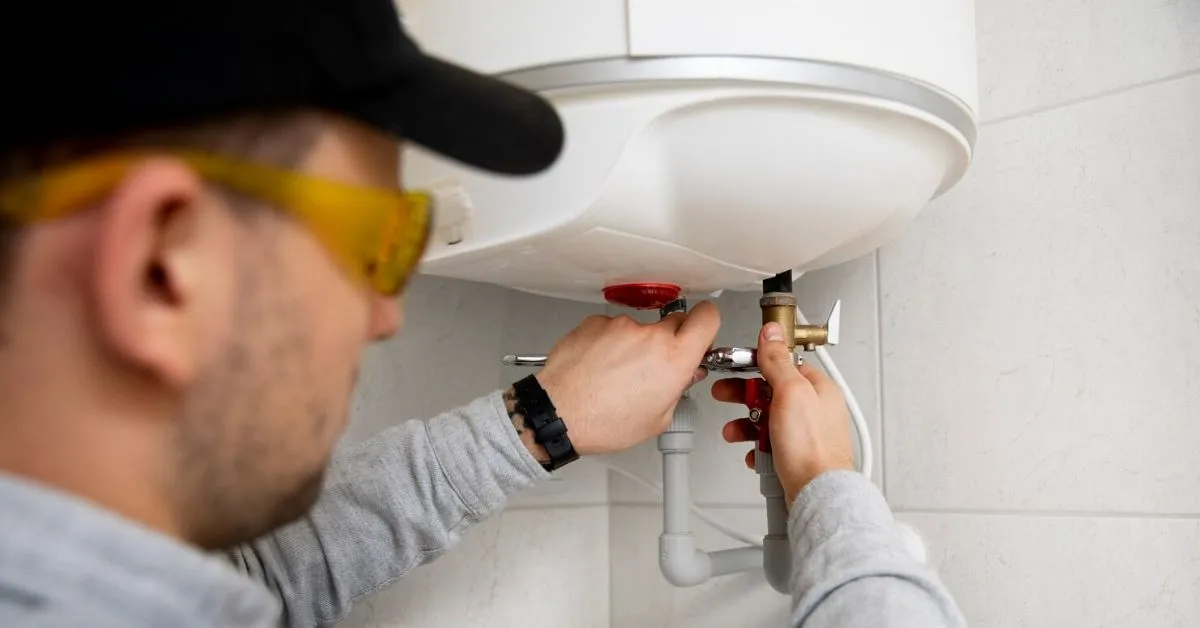
When your showers turn lukewarm, your taps take forever to heat up, or you start seeing rusty water, it might be time to ask the big question: “Do I need to replace my water heater?”
A water heater quietly works in the background for years until it doesn’t. Knowing when to replace water heater (instead of endlessly repairing it) can save you money, prevent water damage, and improve your home’s overall efficiency.
And just like you think ahead about Water Line Insurance, Service Line Protection, Coverage, Monthly Cost, and Exclusions for underground pipes, you should think in the same preventive way about your water heater. It’s cheaper to plan a replacement than deal with a surprise failure and emergency cleanup.
How Long Does a Water Heater Last? (Age Matters)
The age of your unit is one of the biggest indicators.
- Traditional tank water heaters: ~8–12 years (gas or electric)
- Tankless water heaters: ~15–20 years (with proper maintenance)
You can usually find the manufacture date on:
- the label on the side of the unit, or
- hidden in the serial number (you can look up the brand’s date code online)
If your tank heater is over 10 years old, you should absolutely start planning to replace your water heater, even if it’s still running. Aging tanks are more prone to leaks, efficiency loss, and sudden failure.
Signs Your Water Heater Is Near Failure
Beyond age, there are clear signs of failure that tell you replacement is on the horizon:
1. Inconsistent or Lukewarm Water
- Hot water runs out quickly
- Temperature fluctuates mid-shower
This often means sediment buildup or failing heating elements.
2. Strange Noises
- Popping, rumbling, or banging
These sounds usually indicate hardened sediment at the bottom of the tank. Once it gets severe, flushing might not be enough.
3. Rusty or Discolored Water
- Brownish or rusty hot water from taps
This can mean internal tank corrosion. When the lining and anode rod are done, the tank is on borrowed time.
4. Visible Leaks or Moisture Around the Base
- Puddles, dampness, or corrosion around fittings
Unlike minor pipe drips you can fix cheaply, a leaking tank is a major red flag. Tanks rarely “recover” from leaks you replace them.
5. Rising Energy or Gas Bills
- Bills increasing with no change in usage
A failing heater heats less effectively and stays on longer. That’s wasted money.
If you ignore these signs, the end result can be a tank rupture and water damage just like ignoring worn pipes and then needing expensive work that even the best Water Line Insurance might not fully cover.
Efficiency: When “Working” Is No Longer Good Enough
Your water heater may still technically work but be wasting energy every day.
Reasons to replace for efficiency:
- Older units often have poor insulation and outdated burner or element design.
- Newer models are much more efficient, especially high-efficiency tank or tankless options.
- A modern unit may pay for itself over several years through lower utility bills.
Think of it like comparing monthly cost:
A new efficient heater might cost more upfront, but if it saves you every month, the long-term math can beat constant repairs and high energy usage.
Tank vs Tankless: Your Options When Replacing
When you replace your water heater, you’re not just swapping old for new. You’re choosing between:
Option 1: Tank (Storage) Water Heater
- stores hot water in a large tank
- less expensive upfront
- simpler replacement in most homes
- can run out of hot water if demand is high
Best for:
- households with predictable, moderate hot water usage
- tight budgets
- quick replacement with minimal modification
Option 2: Tankless (On-Demand) Water Heater
- heats water only when needed
- much more efficient over time
- endless hot water (sized properly)
- higher upfront cost, often more complex installation
Best for:
- homes planning to stay long term
- families with high hot water demand
- people focused on energy efficiency and space savings
Just like Service Line Protection, tankless systems are more about long-term risk and savings planning higher upfront, but potentially better value over time.
How to Decide: Repair or Replace?
You should lean toward replacing your water heater when:
- it’s over 8–10 years old AND
- shows any signs of failure (noise, rust, leaks, inconsistent heat)
Or:
- a major repair is quoted (e.g., new tank, major component replacement) and the cost is more than 50% of a new unit
In that case, putting money into an old system is like paying premiums on “insurance” for something that’s already at the end of its life it doesn’t make long-term sense.
Risk: What Happens If You Wait Too Long?
Waiting too long can lead to:
- tank rupture and flooding
- damage to floors, walls, and belongings
- mold or mildew issues
- emergency plumber costs
Unlike gradual pipe corrosion that might be mitigated by Water Line Insurance or warranties, a failed heater inside your home can cause damage that’s messy, disruptive, and not always easily covered depending on policy exclusions.
Planning replacement before catastrophic failure is almost always cheaper and less stressful.
Practical Replacement Timeline
Here’s a simple guide:
- Under 8 years, no issues: maintain and flush annually.
- 8–10 years, minor issues: start planning and budgeting for replacement.
- 10+ years, any issues: schedule a replacement soon.
- Visible leak or severe rust: replace immediately.
Check out the Water page or home warranty page today to explore water heater options, compare tank vs tankless pros and cons, and connect with providers who can help you plan your next replacement.
Final Thoughts
Knowing when to replace your water heater is all about reading the signs: age, efficiency, and clear signs of failure. Rather than waiting for a messy breakdown, treat your water heater like any other critical asset in your home plan its replacement before it fails.
Just as you evaluate Water Line Insurance by looking at coverage, monthly cost, and exclusions, you should evaluate your water heater in terms of risk, cost, and long-term value. A timely upgrade keeps your home safer, your showers hotter, and your energy bills under control.