
Blog
Renting vs Buying Modem & Router: Cost Comparison

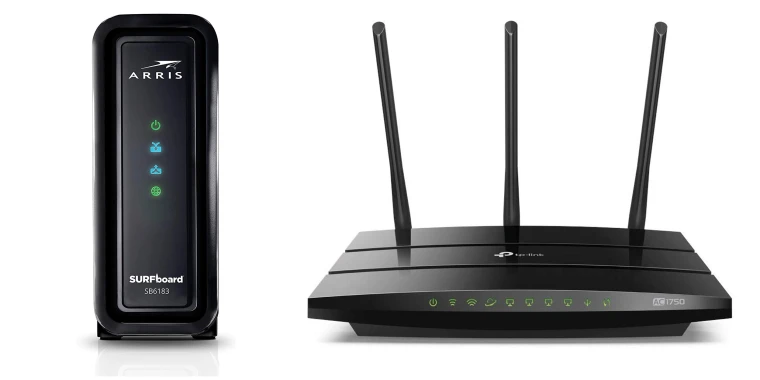
When you sign up for internet service, your provider will usually offer you a modem and router to get started. But here’s the catch — they’re often rented to you for a monthly fee, which can add up faster than you think. On the other hand, buying your own equipment comes with an upfront cost but may pay off in the long run. So which is the better choice? This guide will help you decide whether to rent or buy your modem by breaking down the costs, performance factors, and hidden considerations.
Understanding the Basics: Modem vs Router
Before comparing rent vs buy modem options, it’s important to know what each device does. The modem connects your home to your internet service provider (ISP) through a cable or DSL line. The router distributes that internet connection to your devices, either through wired Ethernet or Wi-Fi.
In some cases, ISPs provide a gateway — a device that combines both modem and router functions. Whether you rent or buy, your choice will affect performance, compatibility, and costs.
The True Cost of Renting
Renting a modem and router from your ISP is convenient because you get equipment that’s already configured to work with your service. However, this convenience comes at a price. Many providers charge between $10 and $15 per month as a rental fee, which may not seem like much at first. But over the course of a year, that’s $120 to $180 — and over three years, you could be paying more than $500 for equipment you don’t even own.
It’s also worth noting that rented devices might not always have the latest technology. Older hardware can affect your signal strength and speed, which could mean more time spent troubleshooting slow connections or even having to perform a modem reset to get things working smoothly again.
The Benefits of Buying Your Own Equipment
Purchasing your own modem and router gives you control over the hardware you use. You can choose devices that support the latest DOCSIS standards, which determine how fast your modem can transfer data. For cable internet, DOCSIS 3.1 is currently the gold standard, offering faster speeds and better energy efficiency.
A good-quality modem costs between $80 and $150, while routers range from $70 to $200 depending on features like range, speed, and advanced security. Although the router purchase price can feel steep upfront, you can often break even in less than two years compared to renting.
Plus, owning your equipment means you can optimize it for your home — selecting devices that deliver stronger coverage and lower latency for activities like gaming, streaming, and video calls.
Performance Considerations
If you’re still on the fence, think about how your decision will impact your internet performance. With rented equipment, you have less control over features like dual-band Wi-Fi, advanced security, or MU-MIMO technology for handling multiple devices.
When you own your modem and router, you can pair them with speed test tools to monitor performance over time. If your speeds drop, you’ll know if the issue is with your ISP or your hardware. Regularly testing your internet speed can also help you spot problems early and address them before they lead to frustrating downtime.
Troubleshooting Made Easier
One advantage of renting is that your ISP will usually replace defective equipment at no extra cost. However, this benefit often comes with slower resolution times because you need to wait for them to ship a replacement or send a technician.
Owning your equipment allows you to troubleshoot issues more quickly. You can perform a modem reset yourself, adjust settings to improve signal strength, and even upgrade parts when needed. If you’re comfortable with basic tech maintenance, buying can be a hassle-free option in the long term.
The Hidden Costs of Each Option
While rental fees are the most obvious cost for renting, buying also comes with expenses you should consider. If your purchased modem fails after a few years, you’ll need to replace it out-of-pocket. Technology also evolves quickly, so you might eventually need to upgrade to meet new DOCSIS standards.
On the flip side, rented equipment can be a bottleneck if it’s outdated. You might pay for a high-speed plan but never see those speeds because the provided hardware isn’t capable of delivering them. This is why it’s important to regularly test your internet speed to ensure you’re getting what you pay for.
Rent vs Buy Modem: Which Is Right for You?
Here’s a simple way to decide:
- If you plan to stay with the same ISP for several years, buying is usually more cost-effective.
- If you move often, switch ISPs frequently, or prefer having your provider handle all technical issues, renting may be the better choice.
That said, even if you rent, it’s worth knowing what’s available for purchase. Compare features, read reviews, and check for compatibility with your ISP’s service before making a decision.
Conclusion
The choice between renting vs buying your modem and router comes down to cost, control, and convenience. Buying offers long-term savings, better customization, and improved performance, especially if you value low latency and strong signal strength. Renting, on the other hand, simplifies setup and maintenance.
No matter which option you choose, remember that performance matters. Use reliable speed test tools and occasional troubleshooting — like a modem reset — to keep your connection running smoothly.
Need to learn more? Visit Get Home Utilities’ internet page today.