
Blog
Natural Gas Safety: Detecting and Preventing Leaks

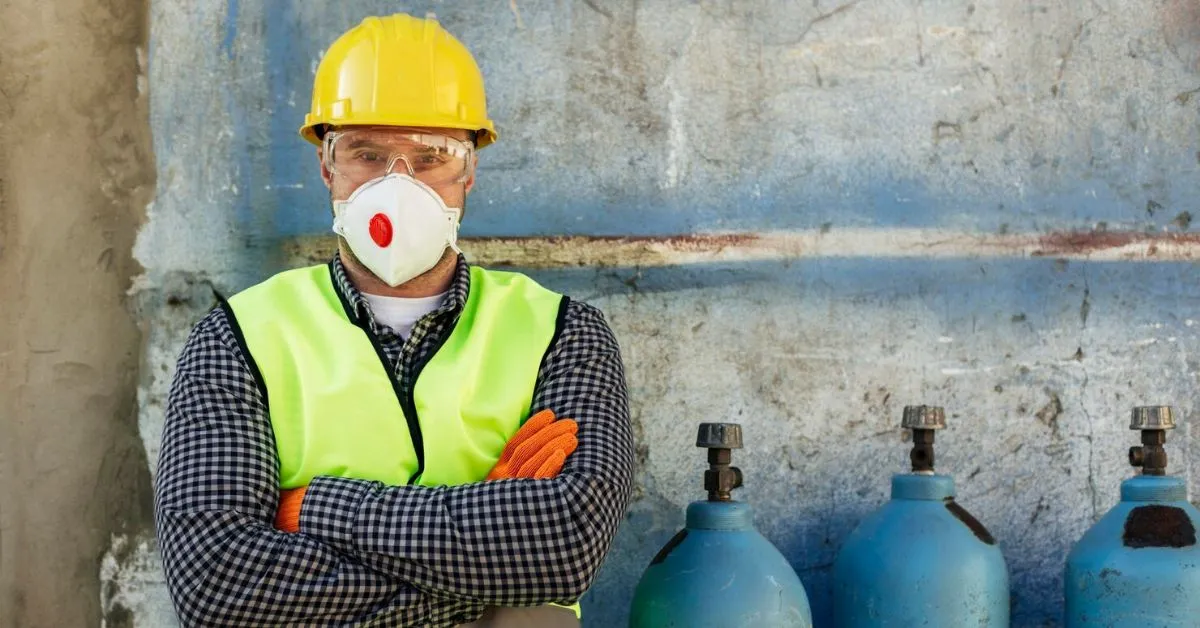
Natural gas keeps millions of homes warm, efficient, and comfortable but it’s also a fuel that demands respect. Though rare, leaks and improper ventilation can lead to dangerous situations if not recognized early. Knowing the basics of natural gas safety helps protect your home, your family, and your peace of mind.
Whether you’ve just set up a new gas plan when moving or have been with the same natural gas provider for years, staying alert to warning signs and prevention measures is essential.
Why Natural Gas Safety Matters
Natural gas is odorless in its natural form, which is why utilities add an odorant typically mercaptan to give it that distinctive “rotten egg” smell. This simple step has saved countless lives by making leaks immediately noticeable.
Still, not every leak is obvious. Some start small and build gradually. Others may occur in areas of the home like basements or crawl spaces where people rarely go. That’s why understanding gas leak detection and what to do if you suspect one is key to keeping your home safe.
How to Recognize a Gas Leak
Here are the most common warning signs of a leak:
- Smell: A strong sulfur or rotten egg odor indicates a possible gas leak.
- Sound: Hissing or whistling noises near pipes or appliances may signal escaping gas.
- Sight: Dead vegetation near gas lines or bubbles in standing water outside could mean gas is leaking underground.
- Physical symptoms: Headaches, nausea, dizziness, or fatigue indoors may point to low-level exposure.
If any of these occur, act immediately don’t wait to investigate further.
What to Do If You Suspect a Leak
- Leave the area immediately. Do not use your phone, flip switches, or light matches. Any spark can ignite the gas.
- Call your utility’s emergency line once you’re at a safe distance.
- Shut off the main valve only if it’s safe to do so and you know where it is.
- Do not reenter the home until professionals confirm it’s safe.
Every local gas company or natural gas provider has a 24/7 emergency number keep it handy, especially after moving to a new address or starting a new account.
The Role of Carbon Monoxide in Gas Safety
While natural gas leaks are rare, carbon monoxide (CO) is a silent risk that can accompany incomplete combustion from gas furnaces, stoves, or water heaters. Unlike natural gas, carbon monoxide has no odor or color and can be deadly in enclosed spaces.
Prevention Tips:
- Install carbon monoxide detectors on every floor and near bedrooms.
- Test detectors monthly and replace batteries twice a year.
- Have your gas appliances inspected annually by a certified technician.
- Ensure proper ventilation for all gas-powered equipment.
Even if you live in one of the gas deregulation states, where you can shop for different suppliers, your local utility remains responsible for maintaining safe delivery systems. Still, you are responsible for safety inside your home.
Regular Inspections and Maintenance
Routine inspections are one of the best ways to prevent leaks and keep your system efficient.
Schedule annual maintenance for:
- Furnaces and boilers: check burners and heat exchangers.
- Water heaters: ensure pilot lights burn blue, not yellow.
- Dryers and stoves: inspect hoses and fittings for cracks.
- Piping systems: look for rust, corrosion, or unusual wear.
If you recently moved, your gas plan moving checklist should include a quick safety inspection of all gas appliances before use.
Using Gas Detectors and Monitors
While your nose is a great first defense, technology offers extra protection. Gas leak detectors can sense methane, propane, and carbon monoxide levels before they reach dangerous concentrations.
You can choose between:
- Plug-in detectors for continuous monitoring.
- Battery-powered portable units for garages or basements.
- Smart detectors that connect to apps and send phone alerts.
Install them near appliances and utility rooms not directly above stoves or vents to get the most accurate readings.
Knowing Where Your Shutoff Valve Is
Every homeowner should know how and where to shut off gas in an emergency. Typically, the shutoff valve is located near your gas meter outside your home or in the basement.
To close it:
- Use a wrench to turn the valve a quarter-turn until it’s perpendicular to the pipe.
- Do not turn it back on yourself; always let a technician restore service once it’s safe.
Understanding this simple step can prevent serious damage in the event of a large leak or earthquake.
Safety in a Deregulated Market
If you live in one of the gas deregulation states, remember that safety protocols remain the same regardless of who supplies your gas.
- Your natural gas provider manages billing and supply.
- Your local utility still handles pipeline safety, leak repair, and emergency response.
So even if you switch providers using a zip code search or want to compare fixed vs variable gas rate options, your safety services remain uninterrupted.
That means whether your provider changes or your average natural gas cost fluctuates, your protection never does.
Check out the Natural Gas page today to learn how to compare providers, manage your account safely, and ensure your home stays protected year-round.
Final Thoughts
Practicing natural gas safety is about awareness and prevention. Recognizing the smell of an odorant, knowing how to use gas leak detection tools, and installing carbon monoxide alarms can make all the difference.
If you’ve recently moved or switched plans, take a few minutes to locate your shutoff valve, update your emergency contacts, and schedule your annual inspection. It’s a small effort that protects everything that matters most.
And if you live in a deregulated market, remember that while you can shop among multiple natural gas providers, your safety remains universal because keeping your home secure is everyone’s priority.
Stay Ahead of Price Swings
Stay safe and informed. Visit Get Home Utilities’ Natural Gas page today to learn more about gas safety, compare plans, and discover trusted providers in your area.