
Blog
Fiber vs Cable: Which Is Better for Gaming?

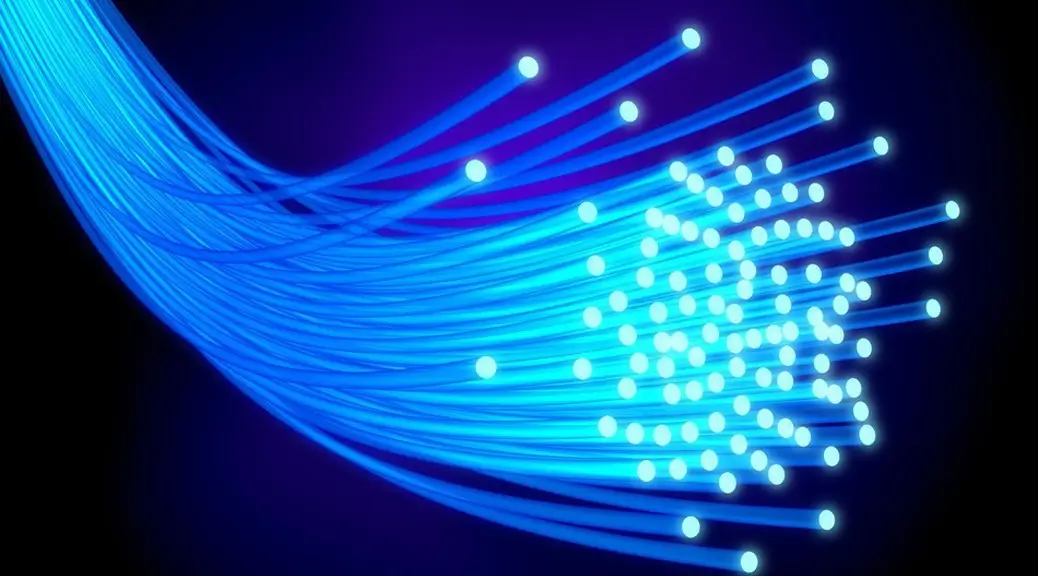
When you’re a gamer, your internet connection is more than just a utility it’s the lifeline between victory and defeat. While both fiber and cable internet can deliver high speeds, there are important differences in latency, ping, bandwidth, and reliability that directly impact your gameplay. The choice between fiber vs cable gaming isn’t just about speed; it’s about how your connection responds when milliseconds matter.
In this guide, we’ll break down the strengths and weaknesses of each option, explain why gamers often prefer one over the other, and help you understand the extra costs to watch out for including potential internet hidden fees so you can make the smartest choice for your setup.
Understanding Fiber Internet for Gaming
Fiber internet uses strands of glass or plastic to transmit data as light signals, allowing for extremely fast speeds and consistent performance. This technology is relatively newer in most areas, but it’s becoming more accessible every year.
Why Gamers Love Fiber
- Ultra-low latency and ping: Fiber offers some of the lowest response times, which means your actions in a game happen almost instantly on the server.
- High bandwidth: With download and upload speeds that often exceed 1 Gbps, fiber can handle gaming, streaming, and video calls simultaneously without slowing down.
- Superior reliability: Because fiber is less susceptible to interference from weather or electrical signals, your connection stays stable during marathon gaming sessions.
Understanding Cable Internet for Gaming
Cable internet delivers data via coaxial cables the same type used for cable television. It’s widely available and can deliver high speeds, but performance may fluctuate depending on network congestion.
Why Gamers Might Choose Cable
- Broad availability: Cable is available in more neighborhoods compared to fiber, especially in suburban and rural areas.
- High speeds at a lower cost: Many cable plans offer 200–600 Mbps speeds for less than the price of fiber.
- Easier installation: If you already have cable TV lines, getting internet set up is usually straightforward.
Fiber vs Cable Gaming Key Factors
When choosing between fiber vs cable gaming, you need to look beyond just download speed.
1. Latency and Ping
Latency is the time it takes for data to travel from your device to the game server and back. Ping is a measurement of that latency.
- Fiber: Typically under 10 milliseconds, making it ideal for fast-paced competitive games.
- Cable: Often between 20–40 milliseconds, which is still playable but can create slight delays.
2. Bandwidth
Bandwidth determines how much data can be transmitted at once.
- Fiber: Symmetrical speeds mean your upload rate matches your download rate a big win if you stream gameplay or join video calls while gaming.
- Cable: Upload speeds are usually much lower, which can cause hiccups if you’re streaming and playing online simultaneously.
3. Reliability
- Fiber: Less affected by network congestion; performance remains stable even during peak hours.
- Cable: Performance can dip in the evenings when many users in your area are online.
Hidden Costs Gamers Should Watch Out For
Choosing a plan isn’t just about the advertised monthly rate. Many providers include internet hidden fees that can raise your bill unexpectedly.
- Activation fees: Some companies charge $50–$100 just to start your service.
- Equipment rental fees: Renting a modem and router can cost $10–$20 per month. Over time, it might be cheaper to buy your own, especially if you want high-performance hardware for gaming.
- Installation fees: Fiber installation often costs more upfront than cable.
- Price increases: Promotional rates for internet plans may expire after 12 months, leading to higher bills.
Understanding these charges can save you from unpleasant surprises. Even with the best connection type for gaming, these costs can add up quickly if you don’t plan ahead.
How to Test Your Connection for Gaming
Before committing to fiber or cable, it’s a good idea to test your current connection. Using a reliable internet speed test can help you measure your download and upload speeds, as well as your latency and ping. If your results fall short of what your provider promises, it might be time to switch.
Gamers who are troubleshooting slow connections should also check their in-home setup:
- Reset your modem and router regularly to clear glitches.
- Make sure your Ethernet cables are up to date and meet gaming standards.
- Use wired connections for gaming whenever possible to minimize latency.
Which Is Better for Gaming: Fiber or Cable?
The answer depends on your priorities:
- Choose Fiber If:
You play competitive online games where every millisecond counts, stream your gameplay frequently, or have multiple high-bandwidth activities happening at the same time. - Choose Cable If:
Fiber isn’t available in your area or you want a more budget-friendly option that still offers high speeds.
For serious gamers, fiber is often the clear winner. The combination of low latency, high bandwidth, and rock-solid reliability makes it the best long-term investment as long as you can get it in your area.
Final Thoughts
Whether you’re raiding in an MMORPG, competing in esports, or just enjoying casual matches, the type of internet you choose can make or break your gaming experience. Fiber vs cable gaming is not just a technical comparison it’s about how your connection feels when you play.
Before signing up, make sure to check for any internet hidden fees like activation, equipment, or installation charges, and watch for price increases after promotional periods. These can affect your total cost just as much as the base monthly fee.
Need to learn more? Visit Get Home Utilities internet today to explore internet plans that work best for your gaming needs.