
Blog
Importance of Backflow Prevention Devices

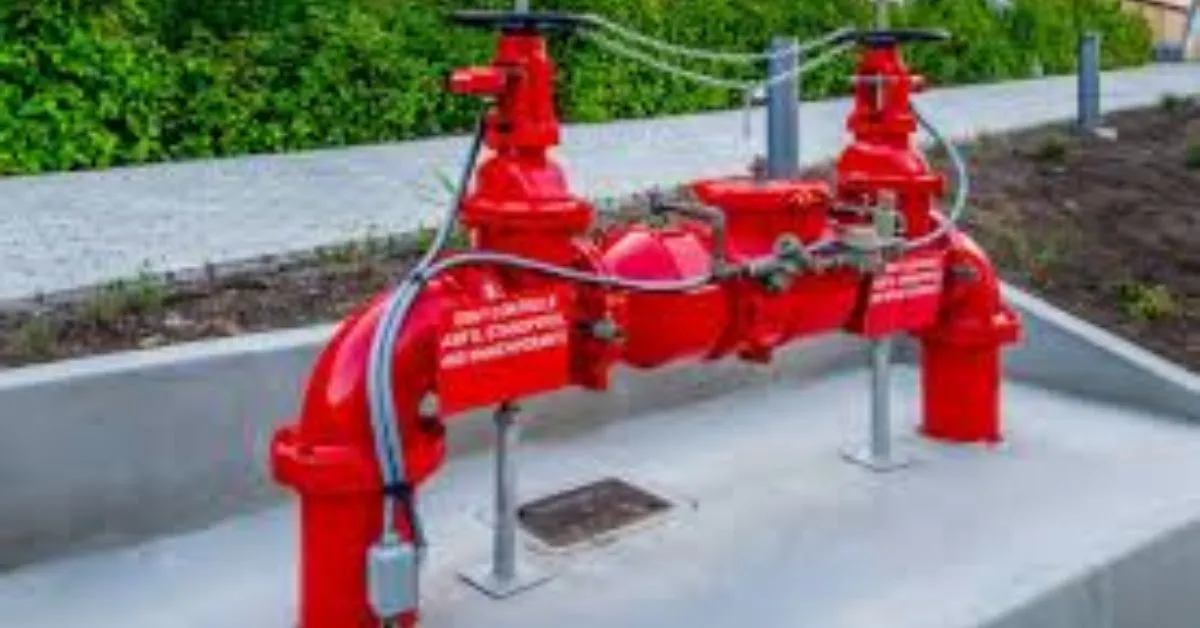
Clean, safe drinking water depends on one essential principle: water must always flow in one direction from the utility supply into your home. But under certain pressure changes, water can reverse course and flow back into the public system or into parts of your plumbing where it doesn’t belong. This dangerous event is known as Backflow, and preventing it is critical for protecting your household and your community.
Installing the right Backflow Prevention devices ensures contaminants never enter your clean water supply. And just as reviewing a Water Quality Report or Consumer Confidence Report (CCR) tells you what’s in your water, backflow prevention ensures outside hazards never compromise that quality in the first place.
What Is Backflow?
Backflow occurs when the normal pressure that keeps water moving into your home suddenly drops or reverses. When this happens, contaminated water from a cross-connection point can be pulled backward.
Common causes include:
- water main breaks
- nearby firefighting activity
- frozen pipes
- high demand in the system
- pump or pressure failures
These events can happen without warning much like the sudden signs of failure you’d watch for when deciding whether to replace a water heater. Backflow risks escalate instantly when pressure changes occur.
Why Backflow Is Dangerous
The biggest issue is contamination. Polluted or chemically treated water can enter your supply through backflow and pose serious health risks, such as exposure to:
- bacteria
- fertilizers or pesticides
- chemicals from industrial systems
- non-potable water from irrigation
- heating system additives
Backflow doesn’t just affect one home it can affect entire neighborhoods depending on the connection point. This is why utilities emphasize both Backflow Prevention and public transparency through tools like Utility Websites and the EPA Database.
What Are Backflow Prevention Devices?
A Backflow Valve or backflow prevention device stops contaminated water from flowing backward into your clean water line. These devices allow water to move in only one direction.
Common types include:
- Atmospheric Vacuum Breakers (AVBs)
- Pressure Vacuum Breakers (PVBs)
- Double Check Valves (DCVs)
- Reduced Pressure Zone (RPZ) Assemblies
Each provides a different level of protection depending on how high-risk the connection is.
Where Backflow Prevention Is Needed
Any point where potable water is connected to a non-potable source is a cross-connection a potential contamination hazard.
Common locations include:
- irrigation systems
- boiler or radiant heating systems
- fire sprinkler systems
- hose bibs
- pools and hot tubs
- commercial equipment
If you’ve ever evaluated your home’s plumbing setup after reviewing a Consumer Confidence Report, adding or upgrading backflow devices is a smart step for improving long-term water safety.
Required Inspections & Certifications
Many cities mandate annual backflow inspections, especially for:
- irrigation systems
- commercial buildings
- multi-family properties
- homes with high-risk fixtures
Inspectors verify that:
- valves are functioning
- internal seals are intact
- pressure readings meet standards
- no structural damage exists
These inspections operate much like routine maintenance checks you’d do for appliances similar to monitoring the age, efficiency, and performance of a tank vs tankless water heater. Proactive care prevents emergencies later.
How Backflow Prevention Protects Community Health
Backflow protection isn’t just about your home it protects the entire water system. Just one failed cross-connection can contaminate water for dozens or even hundreds of households.
Community benefits include:
- preventing widespread illness
- reducing contamination incidents
- ensuring regulatory compliance
- protecting vulnerable populations (children, elderly, immunocompromised)
This is why utilities report contamination incidents in the annual Water Quality Report and publish supporting data via the EPA Database.
When You Should Install or Upgrade Backflow Devices
You should consider installing or updating a backflow prevention system when:
- adding irrigation or sprinkler systems
- installing a new water heater
- remodeling plumbing
- adding pools, spas, or fountains
- converting heating systems
- repairing or rerouting service lines
Upgrading is especially important if your device is old or if inspections show wear just as you would replace equipment when signs of failure appear.
Check out the Water Page today to learn which backflow prevention devices your home needs, how inspections work, and how to keep your water supply protected year-round.
Final Thoughts
Backflow prevention is one of the most important yet overlooked parts of home water safety. While your Water Quality Report shows what the utility delivers, backflow devices ensure nothing inside or outside your home contaminates that clean supply.
With the right Backflow Valve, routine inspections, and awareness of cross-connection risks, you ensure your home stays safe and your community’s water stays protected.