
Blog
Cable vs Fiber Gaming: Which Is Better for Gaming?

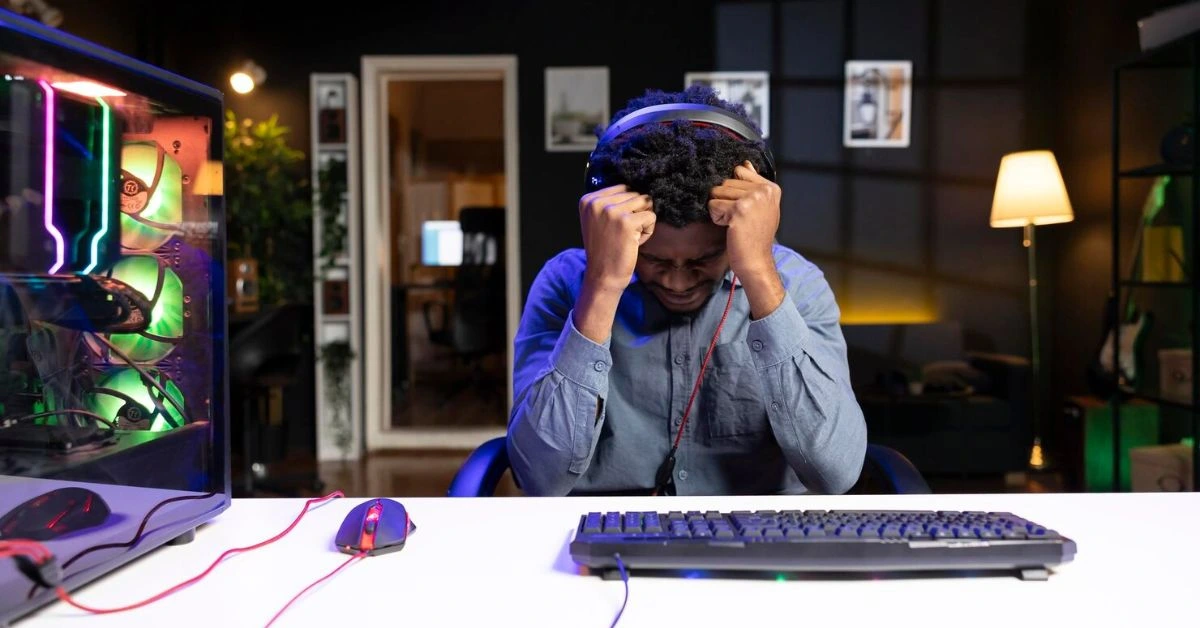
If you’re serious about gaming, you already know it’s not just about fast internet it’s about consistent internet. Lag at the wrong moment can ruin a match, and no one wants dropped connections in the middle of a raid or ranked game. That’s why so many gamers end up asking the same question: cable vs fiber gaming what’s actually better?
Let’s walk through this together in a practical way. No hype, no buzzwords just what matters when you’re playing online.
Why Internet Quality Matters for Gaming
Gaming is different from streaming movies or scrolling social media. When you game online, your connection is constantly sending and receiving small packets of data in real time. That means performance depends on more than just download speed.
Four things matter most:
- Latency (how quickly data travels back and forth)
- Jitter (how stable that timing is)
- Bandwidth (how much data your connection can handle)
- Reliability (how consistent your connection stays)
Both cable and fiber handle these differently, which is why the choice matters.
Cable Internet for Gaming: The Familiar Option
Cable internet has been a go-to choice for gamers for years, mostly because it’s widely available and offers strong download speeds.
Strengths of Cable for Gaming
Cable internet usually delivers fast downloads, which is great for:
- Downloading large game files and updates
- Streaming gameplay
- Playing multiplayer games with multiple devices online at once
For most casual and even competitive gamers, cable internet performs well especially if you’re the only heavy user in your household.
Where Cable Can Fall Short
The biggest downside of cable internet for gaming is that it’s a shared network. That means your speeds and responsiveness can dip during peak hours when neighbors are online too.
You might notice:
- Slight lag during busy evenings
- Occasional spikes in latency
- Upload speeds that are much slower than download speeds
For many gamers, this isn’t a dealbreaker. But if you play fast-paced competitive games, even small fluctuations can be frustrating.
Fiber Internet for Gaming: Built for Performance
Fiber internet is often considered the gold standard for gaming and for good reason.
Why Gamers Love Fiber
Fiber connections are designed to move data using light signals, which allows for extremely fast and stable performance. That translates into:
- Very low latency
- Minimal jitter
- Symmetrical speeds (uploads are just as fast as downloads)
If you stream on Twitch, upload clips, or game while others in your home are also online, fiber handles it effortlessly.
The Catch with Fiber
The main limitation with fiber isn’t performance it’s availability. Fiber isn’t offered everywhere, and in some areas, it can cost more than cable.
If fiber is available at your address, it’s usually the top-tier option for gaming. But not every gamer has access to it yet.
Latency: The Gamer’s Make-or-Break Factor
Latency is often more important than raw speed. It determines how quickly your actions register in the game.
Fiber typically delivers the lowest latency because it uses dedicated lines that aren’t affected by neighborhood congestion. Cable latency is still good, but it can fluctuate depending on network traffic.
If you play competitive shooters, fighting games, or real-time strategy games, lower latency gives you a noticeable edge.
Jitter: The Hidden Problem
Jitter refers to how consistent your latency is. Even if your average latency looks fine, high jitter can cause sudden lag spikes.
Fiber connections tend to be extremely stable, which means fewer unexpected hiccups. Cable connections can experience more jitter, especially during high-traffic times.
If you’ve ever experienced random stuttering or rubber-banding in games, jitter may be the reason.
Bandwidth: How Much Do Gamers Really Need?
Bandwidth determines how much data your connection can handle at once. For gaming alone, you don’t need massive bandwidth but modern households rarely game alone.
Cable plans often offer high download speeds but limited upload speeds. Fiber offers high speeds in both directions, which is ideal if you:
- Game while streaming
- Upload gameplay clips
- Share your connection with multiple users
If your home has several gamers or streamers, fiber’s bandwidth advantage becomes more noticeable.
Reliability: Staying Connected When It Counts
Reliability is where fiber really shines. Because it’s less susceptible to interference and congestion, fiber connections stay consistent even during peak hours.
Cable is generally reliable too, but performance can vary depending on how busy your local network is.
For marathon gaming sessions or competitive play, consistency matters just as much as speed.
Cable vs Fiber Gaming: A Quick Comparison
Here’s the practical takeaway:
- Cable is a strong, widely available option that works well for most gamers.
- Fiber offers superior performance, especially for competitive gaming, streaming, and multi-user households.
If both are available, fiber usually wins for gaming. If fiber isn’t available, cable is still more than capable for the majority of players.
Which One Should You Choose?
The right choice depends on your gaming style and what’s available where you live.
Cable may be right for you if:
- You want reliable performance at a lower cost
- You mostly game casually or semi-competitively
- Fiber isn’t available in your area
Fiber may be the better choice if:
- You play competitive online games
- You stream or upload content regularly
- You want the most stable, future-proof connection possible
Final Thoughts
When it comes to cable vs fiber gaming, there’s no universal answer but there is a best option for you. Understanding how latency, jitter, bandwidth, and reliability affect gameplay helps you choose with confidence instead of guessing.
Ready to Upgrade Your Gaming Setup?
Choosing the right internet connection is easier when you can compare real options in your area. Get Home Utilities offers you a simple way to explore and compare providers without the stress.
Visit the Get Home Utilities Internet page to check available plans, or explore the Cable TV page if you’re considering bundling services. Find a connection that keeps you competitive, connected, and frustration-free while you game.
