
Blog
Garden Watering Efficiently: Legal, Smart & Water-Saving Tips

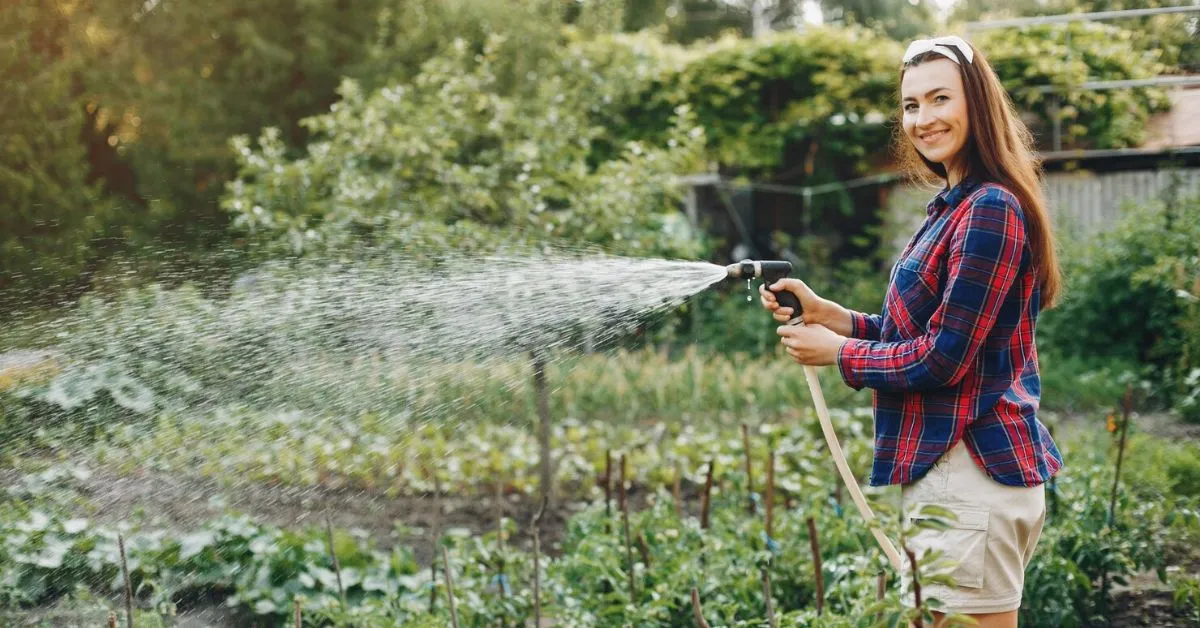
A healthy garden doesn’t have to mean a huge water bill or a nastygram from the city. With the right tools and timing, you can water your garden efficiently while staying fully compliant with local drought rules and state-level water regulations.
And because different water rights in states are governed by systems like Riparian Rights, Prior Appropriation, and Groundwater Rights, it’s not just about how much water you use it’s also about when and how you use it. Efficient garden watering is as much a legal and environmental question as it is a practical one.
Let’s walk through how to balance all three: healthy plants, low waste, and legal compliance.
Start With the Right Method: Why Drip Irrigation Wins
If you want to garden watering efficiently, nothing beats drip irrigation for most landscapes.
Why Drip Irrigation Is So Effective
- Delivers water directly to the root zone.
- Minimizes evaporation compared to overhead sprinklers.
- Reduces runoff that can violate local drought rules.
- Keeps foliage dry, reducing disease risk.
Drip systems are especially smart in states under Prior Appropriation rules (common in the West) where every drop counts and “beneficial use” is closely watched. Using drip makes it clear you’re being responsible with available water.
Build a Smart Watering Schedule
Even the best system wastes water if the watering schedule is wrong.
Key Principles for Scheduling
- Early Morning Watering: Less wind, lower temperatures, and reduced evaporation.
- Infrequent but Deep Watering: Encourages deeper root systems, making plants more drought tolerant.
- Adjust Seasonally: Reduce frequency in cooler or rainy months; increase slightly during heat waves if allowed by drought rules.
If your city sets specific watering days (like “odd addresses: Monday/Wednesday” and “even addresses: Tuesday/Thursday”), build your schedule around those legally allowed windows. Violating these can lead to fines, especially where water is governed strictly under Water Rights States frameworks.
Mulching: The Unsung Hero of Efficient Watering
Mulching is one of the simplest, cheapest ways to dramatically reduce water use.
Benefits:
- Slows evaporation from soil surface.
- Keeps roots cooler in hot months.
- Suppresses weeds that compete for water.
- Helps soil structure and moisture retention over time.
Use organic mulches like shredded bark, straw, leaves, or compost. A 2–3 inch layer around plants can cut watering needs by 25–50% depending on your climate.
This is especially helpful in areas with limited Groundwater Rights, where groundwater pumping is restricted and every irrigated gallon matters.
Matching Your Garden to Your Local Water Reality
The rules for garden watering efficiently aren’t just about sprinklers and timers. They’re also shaped by the water law system in your state.
In Riparian Rights States
- If you live near natural water (rivers, lakes), you may have certain use rights but “reasonable use” still applies.
- Overdrawing can affect downstream users and may violate regional policies.
In Prior Appropriation States
- “First in time, first in right” rules mean agricultural or senior water users may have priority.
- Outdoor residential use is often highly regulated during shortages.
- Drought rules may strictly control irrigation, especially for lawns.
In Groundwater-Dependent Areas
- Pumping limits or permits may cap how much you can draw from wells.
- Inefficient garden watering can push you closer to those limits and trigger tighter oversight.
Knowing which system your state uses helps you understand why your city is strict about outdoor watering and why efficient practices are actively encouraged or even required.
Staying on the Right Side of fRules
Many cities now enforce drought regulations even in “normal” years to meet long-term conservation goals.
Common drought rules that impact your garden:
- Assigned watering days per week.
- Time-of-day restrictions (no midday watering).
- Limits on spray irrigation but allowances for drip irrigation or hand-watering.
- Bans on runoff into sidewalks or streets.
Breaking these rules may result in warnings first, then fines. Building your entire watering plan around current drought stages keeps your garden green and your record clean.
Practical Tips for Efficient & Legal Garden Watering
1. Prioritize Plants
- Focus water on trees, shrubs, and high-value plants.
- Let non-essential turf or decorative annuals take the hit during strict drought stages.
2. Group Plants by Water Needs
- Keep thirsty plants in one zone and drought-tolerant plants in another.
- Adjust drip irrigation flow rates and watering schedule by zone.
3. Fix Leaks Quickly
- Check drip lines, emitters, and hose connections regularly.
- Even small leaks defeat your efficiency goals and can raise eyebrows if water pooling violates local rules.
4. Use Soil Moisture as Your Guide
- Check soil 2–3 inches down. If it’s still moist, skip watering even if it’s an allowed day.
- Overwatering not only wastes water but can cause root disease.
5. Consider Smart Controllers
- Weather-based or soil-moisture sensors can pause watering when rain is expected or when soil is already wet.
- Many utilities support these technologies because they help your usage align with broader conservation policies.
How Mulching and Drip Work Together
When you combine drip irrigation with proper mulching, you get a powerful one-two punch:
- Drip delivers water exactly where it’s needed.
- Mulch keeps that water from escaping quickly.
That means shorter watering runs, fewer cycles per week, and less risk of triggering drought violations from runoff or overspray.
When to Change Your Strategy
You may need to adjust your garden watering approach when:
- your city updates drought rules or moves to a stricter stage;
- you expand your garden or add high-demand plants;
- your region experiences long-term changes in water availability;
- new regulations tied to Water Rights States frameworks are rolled out.
Staying flexible and checking your utility’s communications regularly website, mailers, bill inserts keeps you ahead of changes.
Check out the Water page today to learn about local drought rules, smart irrigation options, and tools to help you water your garden efficiently and legally.
Final Thoughts
Garden watering efficiently isn’t just about saving a few dollars on your bill. It’s about respecting your local climate, the legal structure of water rights in your state, and the shared resource your community depends on.
By using drip irrigation, dialing in a smart watering schedule, layering in mulching, and staying aligned with drought rules, you can keep your garden thriving without crossing legal or environmental lines. It’s smarter, calmer, and more sustainable gardening no stress, no surprises.
