
Blog
Water Rights & Ownership in Different States

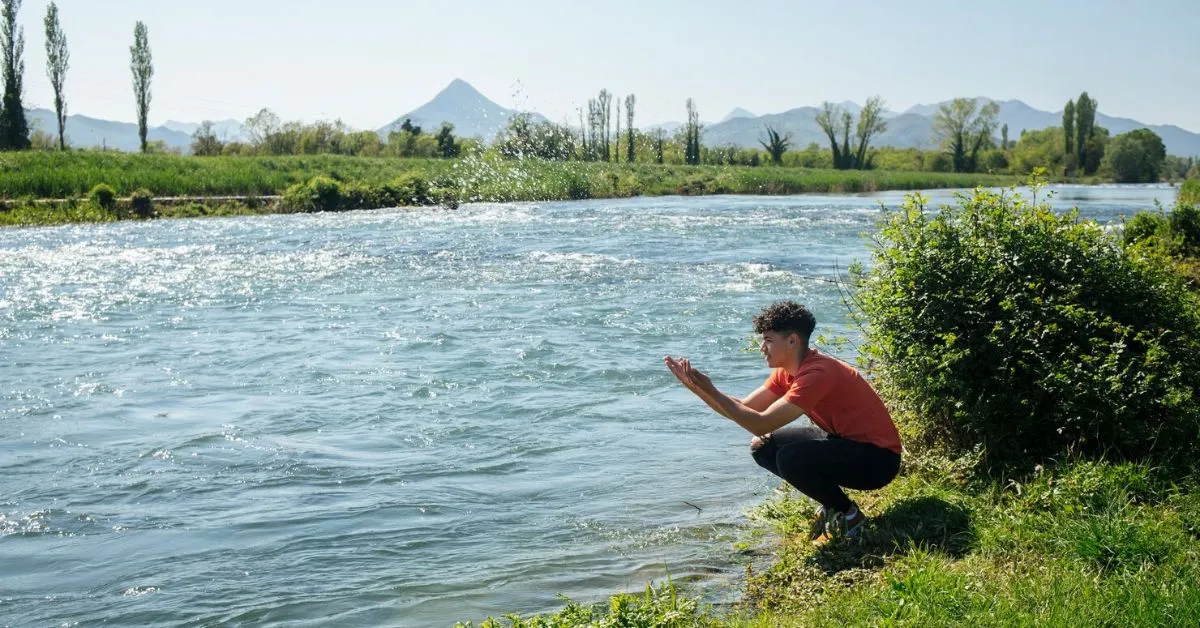
Most homeowners assume that if water flows through their property, they have full rights to use it. But in the U.S., Water Rights don’t work that simply. Each state follows one of several legal doctrines that govern who owns water, who can use it, and under what conditions. These rules determine whether you can divert water from a stream, pump groundwater, or even store rainwater in some states.
Understanding Water Rights State is essential whether you’re purchasing land, planning irrigation, drilling a well, or simply trying to stay compliant with state regulations. And just as you rely on a Water Quality Report or Consumer Confidence Report to understand what’s in your water, understanding rights is how you understand who controls that water in the first place.
Why Water Rights Differ Across the U.S.
Water availability varies dramatically between states. The humid Southeast has abundant rivers, while the arid West faces chronic scarcity. Over time, each region developed its own legal framework to allocate water fairly or at least predictably.
Three dominant rights systems exist in the U.S.:
- Riparian Rights
- Prior Appropriation
- Groundwater Rights
Each determines who owns water, how much they can use, and what happens during drought or shortage.
These rules affect everyone from farmers to homeowners to cities installing Backflow Prevention safeguards to protect public water systems.
Riparian Rights: Common in Water-Rich Eastern States
Under Riparian Rights, landowners with property adjoining a natural water source such as a river or lake have the right to use that water, as long as they do not harm downstream users.
Key Principles
- You must own land touching the waterway.
- Water use must be “reasonable.”
- You can’t drastically reduce flow for others.
This system works well where water is abundant. However, states still require protective measures such as Backflow Valves and strict Cross-Connection controls to ensure private use doesn’t risk health or water quality.
Prior Appropriation: “First in Time, First in Right”
Used primarily in Western states (California, Colorado, Nevada, Arizona, New Mexico, etc.), Prior Appropriation gives water rights based on who used it first, not who owns the land.
Key Principles
- Senior rights holders get priority during shortages.
- Rights may be bought, sold, or transferred.
- Use must be “beneficial” such as irrigation or municipal use.
During drought, senior users may take nearly all the water while junior users receive little or none. That’s why utilities in these states enforce strict water controls, require annual Inspections for irrigation systems, and heavily regulate Backflow Prevention to maintain safe public supplies.
Groundwater Rights: What Lies Beneath
Groundwater stored in aquifers has its own rules depending on the state.
Common Approaches
- Absolute Dominion: Landowners can pump as much as they want (rare today).
- Reasonable Use: Pumping allowed unless it harms neighbors.
- Correlative Rights: Allocation based on land area owned.
- Prior Appropriation for Groundwater: Used in some Western regions.
With declining aquifers and more drought-prone climates, many states now regulate groundwater heavily. Utilities often require proper well sealing, water safety certificates, and sometimes Backflow Prevention measures to protect community systems.
How Water Rights States Affect Homeowners
1. Irrigation & Landscaping
In appropriation states, homeowners may face watering restrictions tied to rights, not just drought rules.
2. Well Installation
Groundwater rights govern whether you can drill a well and how much you can pump.
3. Water Storage
Some states limit rainwater harvesting because stored water may interrupt downstream flows.
4. Utility Connections & Compliance
Regardless of rights, homeowners connecting to city water must follow safety rules such as maintaining Backflow Valves, undergoing periodic Inspections, and monitoring water quality using tools like the Consumer Confidence Report.
When Water Rights Become Disputes
Water rights disagreements often arise when:
- neighbors pump excessive groundwater
- upstream users divert too much water
- drought reduces river or aquifer levels
- agricultural users claim senior rights over residential use
Resolving disputes usually requires examining state law, seniority records, and documented water usage.
Why Understanding Water Rights Matters Today
Climate conditions, population growth, and aging infrastructure are reshaping how states interpret water ownership. More states are revising groundwater rules, tightening surface water allocations, and enforcing safety controls including cross-connection checks and community health risk mitigation.
Knowing your state’s water rights framework helps you:
- avoid legal violations
- plan property purchases wisely
- understand irrigation limits
- anticipate drought-related restrictions
- stay compliant with local utility regulations
In short: water rights affect your daily life far more than most homeowners realize.
Check out the Water Page today to compare providers, learn how your state handles water rights, and stay informed about safe, compliant home water practices.
Final Thoughts
Whether your state uses Riparian Rights, Prior Appropriation, or Groundwater Rights, understanding the rules governing water ownership empowers you to make smart choices. It affects your ability to irrigate, store water, drill wells, or even manage plumbing safely.
When combined with tools like your Water Quality Report and proper Backflow Prevention, knowing your state’s water rights ensures your household stays compliant, protected, and fully informed.