
Blog
Water Conservation Tips to Lower Your Bill

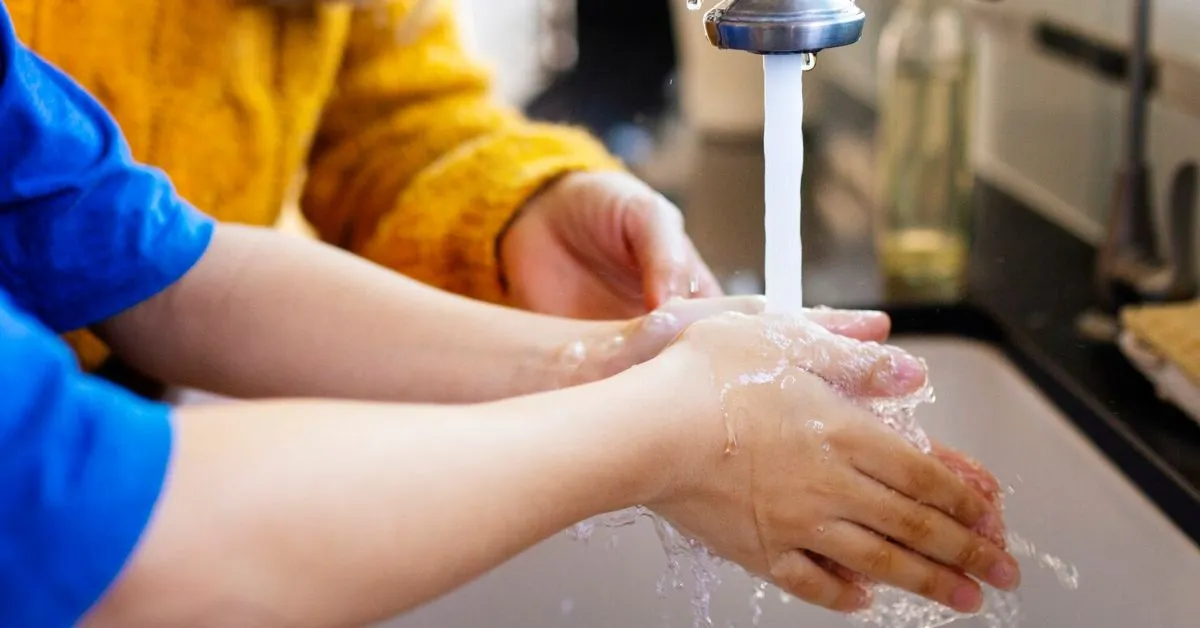
If your monthly water bill seems higher than expected, the solution might not be as complicated as you think. Many households use more water than necessary without realizing it from small drips under the sink to long showers that quietly drive up consumption. Fortunately, a few smart water conservation tips can make a big difference in both your utility costs and environmental footprint.
Conserving water doesn’t mean sacrificing comfort. It means using water efficiently getting the same results with less waste. Let’s explore practical ways to lower your usage, reduce your bill, and keep your household running sustainably.
Why Water Conservation Matters
The average U.S. household uses about 82 gallons of water per person per day, or roughly $47 per month for a four-person family. But much of that water nearly 30% can be wasted through leaks, inefficient fixtures, or outdoor overuse.
Understanding your average water usage and reviewing your water bill explained (base rates, consumption tiers, and sewer charges) helps you see where your money is going. The less water you use, the more you stay within lower-tier pricing brackets where every gallon costs less.
That’s where water conservation becomes a direct path to savings.
1. Fix Leaks Immediately
Leaking faucets, toilets, and outdoor spigots may seem minor, but even a slow drip can waste up to 2,000 gallons per year.
How to Detect Hidden Leaks
- Check your meter: Turn off all water inside and outside the house. If the meter still moves, you have a leak.
- Inspect toilets: Drop food coloring into the tank if the color seeps into the bowl after 10 minutes, replace the flapper valve.
- Look under sinks: Feel for dampness or mold along pipes and joints.
Fixing leaks is one of the easiest and most effective water conservation tips often saving up to 10% on your annual bill.
2. Install Low-Flow Fixtures
Modern low-flow fixtures use advanced aeration and pressure technology to maintain performance while reducing flow.
Recommended Upgrades
- Showerheads: Standard versions use 2.5 gallons per minute (GPM); low-flow models cut that to 1.5 GPM saving up to 20 gallons per shower.
- Faucet aerators: These small, inexpensive attachments can reduce flow by 30% or more.
- Toilets: High-efficiency units use 1.28 gallons per flush compared to the older 3.5-gallon models.
Together, these upgrades can lower a typical household’s daily usage by 20–25%, helping you stay within lower consumption tiers and avoid higher per-gallon rates.
3. Be Mindful When Watering Outdoors
Lawn and garden irrigation can account for up to 50% of total household water use during summer months. Adopting mindful watering habits helps you maintain a healthy yard without unnecessary waste.
Smart Outdoor Watering Practices
- Water early in the morning or late in the evening to minimize evaporation.
- Use drip irrigation instead of sprinklers for gardens and plants.
- Install soil moisture sensors to prevent overwatering.
- Adjust sprinklers to avoid spraying sidewalks or driveways.
If you live in a drought-prone area, check whether your local provider offers rebates for water-efficient irrigation systems or smart controllers many public utilities do.
4. Take Shorter Showers
It’s a simple change with a big impact. Cutting your shower time by just two minutes can save 10–15 gallons per person.
If a four-person household reduces shower time from 10 minutes to 7 minutes, that’s over 18,000 gallons saved per year enough to fill a small swimming pool.
For an extra efficiency boost:
- Use a timer to track shower length.
- Turn off the water while lathering or shaving.
- Pair shorter showers with low-flow heads for maximum results.
Even small habits like these make measurable differences when multiplied across hundreds of uses per month.
5. Upgrade Appliances and Fixtures
Water-efficient appliances often pay for themselves over time through lower utility bills.
- ENERGY STAR washing machines use 30% less water and energy than standard models.
- Dishwashers certified for efficiency use as little as 3 gallons per cycle, compared to 6 or more in older units.
- Smart irrigation systems adjust automatically for weather and soil conditions.
Before upgrading, check with your water provider about rebate programs or tax incentives for installing water-efficient devices.
6. Collect and Reuse Water
Not all water has to go down the drain. You can capture and repurpose it safely for outdoor or cleaning uses.
- Rain barrels collect roof runoff for lawn watering.
- Graywater systems recycle gently used water from sinks, tubs, and laundry for landscape irrigation.
- Dehumidifier water can be used for plants or cleaning floors.
These systems reduce demand on municipal supplies and help cut both your water and sewer charges.
7. Adjust Daily Routines
Sometimes, the best water conservation tips are the simplest:
- Run dishwashers and washing machines only with full loads.
- Don’t let the faucet run while brushing teeth or rinsing dishes.
- Soak pots instead of scrubbing under running water.
- Keep a pitcher of cold water in the fridge instead of letting the tap run until it’s cool.
These everyday actions can collectively save hundreds of gallons per month without changing your lifestyle drastically.
8. Know Your Consumption Tiers
Your water bill likely uses a tiered pricing structure meaning the more you use, the more you pay per gallon. Staying within the lowest tier can result in significant savings.
By monitoring your usage and making small changes throughout the month, you can remain below the threshold where rates increase. Consider tracking your water use weekly to stay proactive instead of being surprised at the end of the billing cycle.
9. Schedule Regular Plumbing Inspections
Even if your system appears fine, pipes can degrade over time. Annual plumbing checks can prevent leaks, burst lines, or pressure issues.
Inspect:
- Outdoor spigots and irrigation valves.
- Under-sink plumbing for corrosion or moisture.
- Water heater valves and pressure regulators.
Preventive maintenance is cheaper than emergency repairs and ensures that your service quality remains high.
Check out the Water page today to explore conservation programs, learn smart usage strategies, and find providers that reward water-efficient households.
Final Thoughts
Saving water isn’t just about reducing your bill it’s about protecting one of our most vital resources. From fixing leaks and installing low-flow fixtures to practicing mindful watering and taking shorter showers, every effort counts.
By combining these water conservation tips with a better understanding of your average water usage and billing structure, you can achieve measurable savings without sacrificing comfort.
Stay Ahead of Utility Costs
Make your home more efficient today. Visit Get Home Utilities’ Water page to compare providers, find conservation rebates, and start saving water and money the smart way.
