
Blog
Propane vs Natural Gas: Differences & Pricing

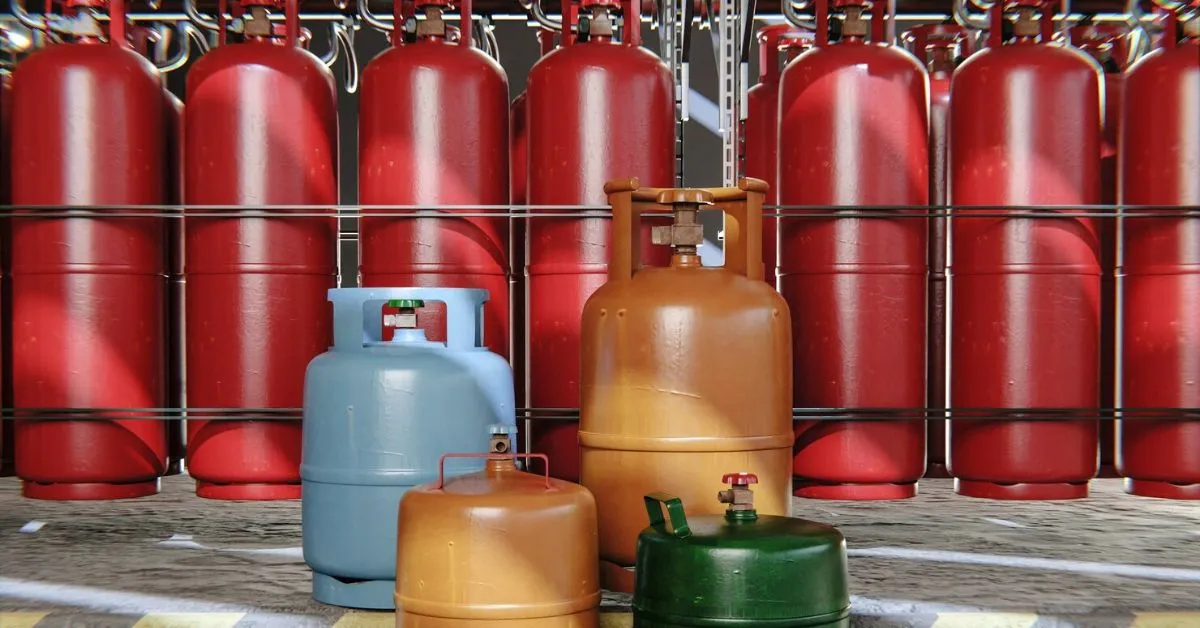
When it comes to powering your home, two of the most common fuel choices are propane and natural gas. Both offer clean, efficient energy for heating, cooking, and appliances but the differences between them can significantly affect cost, convenience, and safety.
Whether you’re deciding which to install in a new home or comparing ongoing costs, understanding propane vs natural gas will help you choose the right energy source for your lifestyle and budget.
Understanding the Basics
Natural gas is a fossil fuel delivered directly to homes through underground pipelines maintained by local natural gas providers. It’s primarily composed of methane and is widely used in urban and suburban areas.
Propane, on the other hand, is a byproduct of natural gas processing and petroleum refining. It’s stored as a liquid in pressurized tanks either portable cylinders or large outdoor propane tanks and delivered to homes by truck.
In short:
- Natural gas = piped directly to your home.
- Propane = stored and refilled on-site.
Both fuels burn cleanly, produce similar heat outputs, and are used for furnaces, water heaters, stoves, fireplaces, and outdoor grills. The main distinctions come down to cost, energy density, availability, and convenience.
1. Energy Content (BTUs) and Efficiency
The energy content of a fuel is measured in BTUs British Thermal Units. One BTU is the amount of energy needed to raise the temperature of one pound of water by one degree Fahrenheit.
Here’s how the two fuels compare:
| Fuel Type | Energy per Unit | Efficiency (Average) |
| Natural Gas | ~1,030 BTUs per cubic foot | 92–96% (modern furnaces) |
| Propane | ~2,520 BTUs per cubic foot | 90–95% (modern furnaces) |
Although propane provides nearly 2.5 times more energy per cubic foot, most households consume natural gas in larger volumes because it’s less dense and often cheaper per unit.
For appliance efficiency, both perform similarly but propane delivers more heat per unit burned, which makes it especially effective for high-demand heating and off-grid applications.
2. Cost per Unit
One of the biggest differences between propane and natural gas is price and how that price is structured.
Natural Gas Pricing
- Billed by therm (100,000 BTUs) or cubic foot.
- Average U.S. cost: $1.10–$1.50 per therm (though regional rates vary).
- Prices fluctuate seasonally but tend to remain stable in deregulated markets.
Propane Pricing
- Sold by the gallon, with one gallon = 91,500 BTUs.
- Average cost: $2.50–$4.00 per gallon, depending on location and delivery fees.
- Requires tank installation or leasing, which adds to upfront costs.
While propane offers higher energy output, natural gas typically wins in long-term affordability especially for homes already connected to gas lines.
For households using budget billing gas or fixed-rate plans, the predictable pricing of natural gas can make budgeting simpler, avoiding seasonal fuel delivery spikes that often affect propane users.
3. Availability and Delivery
Natural gas is widely available in cities and suburbs through local utility pipelines. Once connected, you’ll have a continuous fuel supply no need to schedule refills or manage deliveries.
Propane is more common in rural or off-grid areas where natural gas infrastructure doesn’t exist. You’ll need a propane tank installed on your property, which can be leased or purchased. Deliveries are typically scheduled automatically, based on usage monitoring.
While propane’s independence from the grid is convenient for remote areas, it does require regular safety inspections and careful management to avoid running out during winter peaks.
4. Installation and Equipment
Natural Gas Setup
- Requires connection to a utility line and meter.
- Professional gas line installation is needed for new service.
- Appliances are directly connected and rarely need refilling.
Propane Setup
- Requires installation of an outdoor tank (usually 250–1,000 gallons).
- May involve excavation, pad setup, and pressure regulation equipment.
- Appliances often need conversion kits to operate on propane rather than natural gas.
Installation costs for propane tend to be higher initially but can be offset by lower infrastructure requirements in areas without pipelines.
5. Safety Considerations
Both fuels are generally safe when handled properly, but they carry distinct safety profiles.
- Natural Gas: Lighter than air, so leaks dissipate upward quickly. Utilities add a “rotten egg” odorant for easy leak detection. Proper ventilation and natural gas safety inspections are critical.
- Propane: Heavier than air, which means it can pool near the ground or in enclosed spaces if leaked. All tanks must have overfill prevention and shutoff valves.
Routine safety inspections by licensed technicians and carbon monoxide detectors are essential for both systems, especially in homes with multiple gas appliances.
6. Environmental Impact
Both fuels are cleaner than oil or coal, but natural gas produces slightly fewer carbon emissions per BTU.
- Natural Gas: ~117 lbs. of CO₂ per million BTUs.
- Propane: ~139 lbs. of CO₂ per million BTUs.
While propane burns efficiently, natural gas has the environmental edge thanks to lower emissions and broader integration with renewable energy initiatives.
That said, propane’s off-grid flexibility makes it a valuable transitional fuel for rural homes looking to reduce oil or wood reliance.
7. Choosing the Right Option for Your Home
When choosing between propane vs natural gas, consider:
- Your location: Natural gas is often unavailable in rural areas.
- Upfront costs: Propane tanks cost more to install, but natural gas requires utility hookups.
- Usage patterns: High-demand households may prefer the energy density of propane.
- Pricing stability: Natural gas often provides steadier pricing through budget billing gas and regulated utilities.
For many homeowners, natural gas remains the most practical long-term choice affordable, reliable, and widely available. But for off-grid living or remote cabins, propane delivers independence and strong performance with manageable maintenance.
Check out the Natural Gas page today to compare providers, explore rates, and learn how natural gas can deliver reliable, affordable energy for your home.
Final Thoughts
Both fuels have their advantages. Propane offers higher BTU output and flexibility for areas without infrastructure, while natural gas provides convenience, continuous supply, and typically lower operating costs.
If you already have access to a natural gas provider, connection costs are usually minimal and the consistent supply, combined with safety and efficiency, makes it an excellent choice for most homeowners.
For those in rural areas or looking for off-grid solutions, propane remains a dependable alternative but be mindful of fluctuating prices and storage logistics.
Whichever you choose, schedule regular safety inspections, maintain proper ventilation, and review your provider options annually to ensure you’re getting the best rate and performance.
Stay Ahead of Price Swings
Compare your options confidently. Visit Get Home Utilities’ Natural Gas page today to explore pricing, safety tips, and expert advice on choosing the best fuel source for your home.