
Blog
Reducing Phantom Loads: Unplug vs Smart Plugs

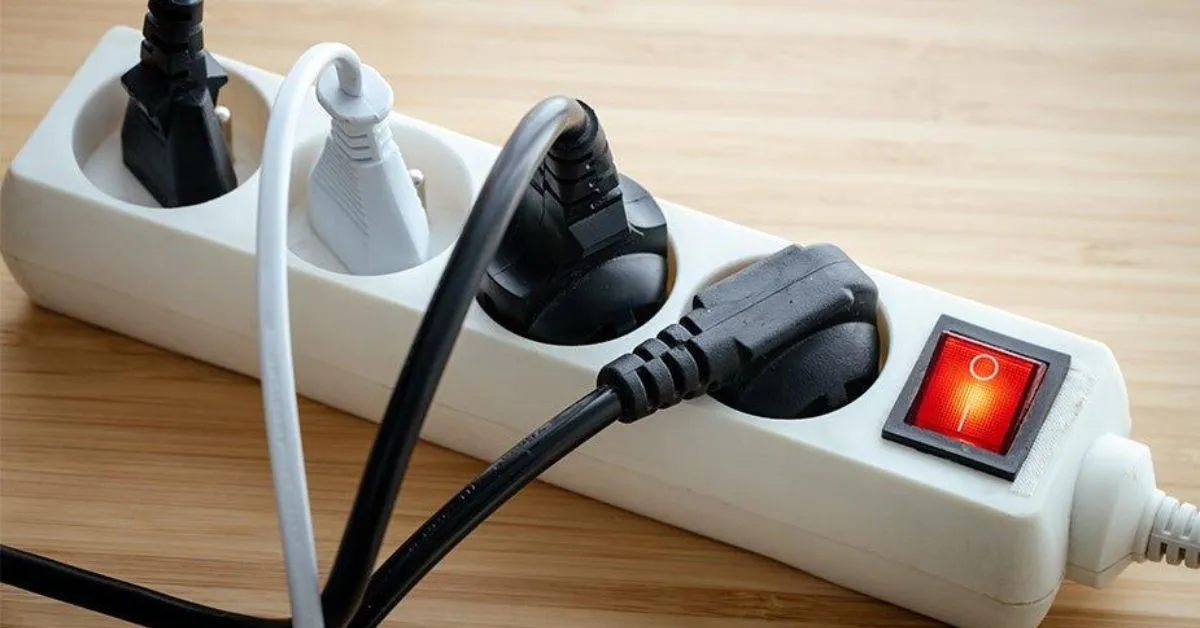
You’ve replaced that old fridge, upgraded to an Energy Star washer, and swapped out bulbs for LEDs. Yet your electricity bill still feels higher than it should be. What’s going on?
The culprit may be reduce phantom load, also known as vampire power the electricity devices use even when they’re switched off or in standby mode. Reducing these sneaky costs can save households up to 10% on their energy bills. But how do you tackle them: by unplugging devices or by using smart plugs and power strips? Let’s break it down.
What Are Phantom Loads?
Phantom loads refer to standby consumption from devices that continue drawing power even when they’re “off.”
Common examples include:
- TVs and cable boxes.
- Routers and modems.
- Game consoles.
- Coffee machines and microwaves with digital clocks.
- Phone chargers left in outlets.
Individually, these may use just a few watts but across dozens of devices, the costs add up over the course of a month.
How Much Do Phantom Loads Cost?
According to the U.S. Department of Energy, the average household wastes $100–$200 annually on vampire power. That’s electricity consumed for no benefit. For larger households with more devices, this number can climb even higher.
When combined with electricity price fluctuations and potential provider rate increases, phantom loads become even more costly.
The Case for Unplugging
The simplest way to reduce phantom load is to unplug devices when they’re not in use.
Pros:
- Free no upfront cost.
- Works instantly.
- Reduces both standby power and fire risk.
Cons:
- Inconvenient to constantly plug and unplug.
- Hard to reach outlets (like behind TVs or furniture).
- Easy to forget, which limits savings.
Unplugging is most practical for small devices like chargers or kitchen gadgets used occasionally.
The Case for Smart Plugs
Smart plugs offer a more modern solution. These devices plug into your outlet, and then you connect your appliance or charger to the plug. From there, you can control the outlet via an app, schedule on/off times, or even monitor usage.
Pros:
- Automates control, eliminating manual unplugging.
- Tracks electricity use, helping you spot big phantom loads.
- Can be integrated with smart assistants like Alexa or Google Home.
- Perfect for entertainment systems or office setups with multiple devices.
Cons:
- Requires a small upfront investment ($10–$30 per plug).
- Adds one more gadget to manage.
- Some models may use a tiny amount of standby power themselves.
Still, for households serious about cutting standby consumption, smart plugs make savings both practical and consistent.
Using Power Strips
Another effective tool is the smart or advanced power strip.
- Standard strips – Let you switch off multiple devices at once.
- Smart strips – Detect when a primary device (like a TV) turns off, then cut power to peripherals (like game consoles or DVD players).
- Timed strips – Turn off devices automatically at scheduled hours.
Power strips are ideal for clusters of devices like a home theater system or office setup where many gadgets contribute to phantom loads.
Phantom Loads in Old vs New Appliances
As we explored in the last blog on when to replace old appliances, outdated models often consume more power. But even new appliances may include standby features, like displays or “always on” Wi-Fi connectivity. That means reducing phantom loads isn’t just about replacing old gadgets it’s about managing all of them effectively.
Practical Tips to Reduce Phantom Loads
- Identify offenders – Use a home energy monitor or plug-in watt meter to measure standby consumption.
- Prioritize savings – Focus on high-use devices like entertainment systems and office equipment.
- Mix methods – Unplug small chargers, use smart plugs for mid-sized devices, and install strips for clusters.
- Schedule smartly – Program plugs and strips to shut off overnight or when you’re at work.
- Make it routine – Add unplugging or switch-off habits to your daily routine.
Check out the electricity providers in the U.S today to compare plans, lock in stability, or explore flexible options that suit your budget.
Final Thoughts
Phantom loads may seem small, but over time they chip away at your budget. By understanding vampire power and standby consumption, you can take control with simple strategies. Whether you choose the free option of unplugging or invest in smart plugs and power strips, you’ll see real savings and a more efficient household.
In a world of electricity price fluctuations and rising rates, reducing waste is one of the easiest ways to lower bills without sacrificing comfort.
Stay Ahead of Price Swings
Don’t let hidden electricity waste drive your costs higher. Visit Get Home Utilities now to explore efficient solutions, compare providers, and make your household smarter about energy.
