
Blog
Smart Meters: Benefits & How They Work

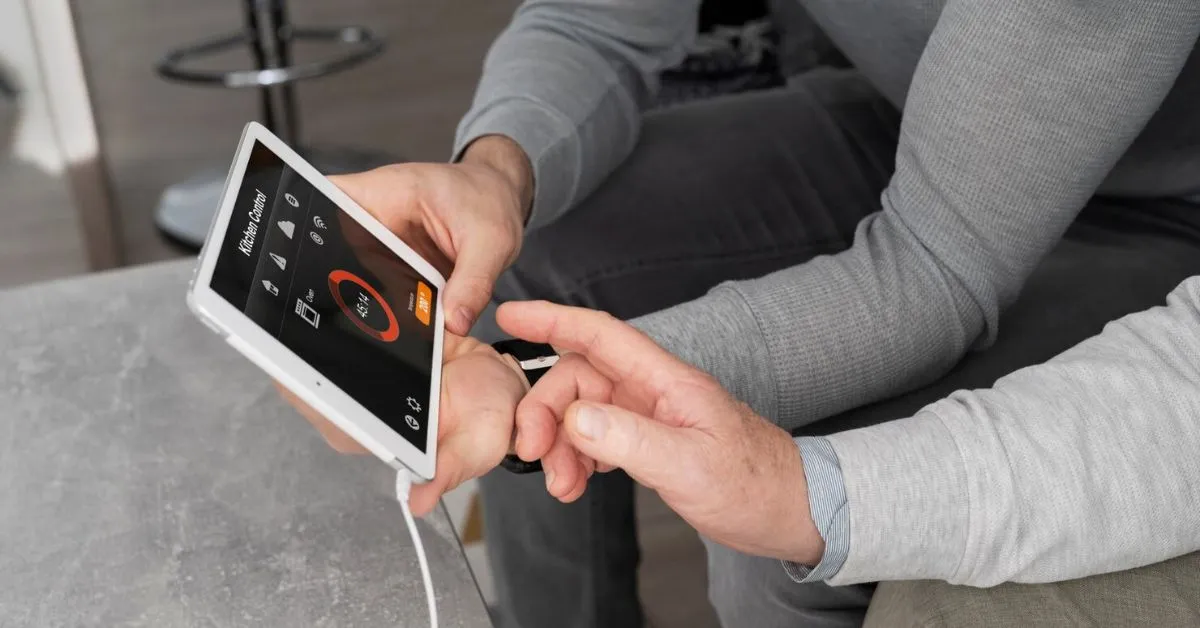
Electricity billing used to be simple but limited. Utility workers read your meter once a month, sent a bill, and you had little visibility into your actual daily usage. Today, thanks to technology, that’s changing. More households now have smart meters, which offer detailed insights into how and when you use electricity.
Understanding smart meter benefits helps you make the most of these devices. From real-time data to remote reading and integration with time-of-use plans, smart meters are reshaping how consumers interact with electricity. For households managing tight budgets or applying for electricity assistance programs, smart meters also bring more transparency and control.
What Is a Smart Meter?
A smart meter is a digital device that measures electricity use in real time and communicates directly with your utility provider. Unlike older analog meters, smart meters don’t require a person to come read them each month—they transmit data automatically, often every 15 minutes to an hour.
This constant feedback loop gives utilities better oversight of the grid and gives consumers access to detailed usage information.
Smart Meter Benefits
Smart meters offer advantages for both households and providers.
1. Real-Time Data
With real-time data, you can see exactly how much electricity your home is using at any given time. Instead of waiting for a monthly bill, you can track daily or even hourly usage through an online portal or mobile app.
- Spot high-usage appliances.
- Identify patterns (like spikes when heating or cooling).
- Adjust habits quickly to save money.
2. Remote Reading
One of the most practical smart meter benefits is remote reading. Utilities no longer need to send workers to record your usage. This reduces administrative costs and eliminates estimated bills that often frustrated customers in the past.
Remote readings also make it easier to:
- Start or stop service when moving.
- Correct billing errors faster.
- Support assistance programs by providing accurate, up-to-date usage records.
3. Time-of-Use Integration
Smart meters pair seamlessly with time-of-use (TOU) plans, which charge different rates depending on when you use electricity. With detailed usage data, you can shift tasks—like laundry or dishwashing—into cheaper off-peak hours and save.
This flexibility means you’re no longer stuck paying one flat rate. Instead, your bill reflects smart energy choices.
How Smart Meters Work
The process is simple but powerful:
- Measurement – The meter records electricity usage in real time.
- Transmission – Data is sent securely to your utility provider via wireless or wired communication.
- Analysis – Both you and your provider can review the data to identify trends or problems.
- Billing – Accurate, timely data is used to generate bills based on actual usage, not estimates.
In some regions, utilities even provide alerts when usage spikes, helping customers avoid bill shock.
Smart Meters and Energy Assistance
For households enrolled in electricity assistance programs, smart meters provide clear benefits:
- Transparency – Families can track exactly how much electricity their aid is covering.
- Budgeting – Real-time data helps manage usage to stay within affordable levels.
- Eligibility verification – Accurate readings simplify the process of applying for or renewing aid.
Instead of being surprised by high bills, households can make small adjustments throughout the month.
Common Concerns About Smart Meters
Despite their benefits, smart meters sometimes raise concerns:
- Privacy – Some worry about utilities knowing when appliances are used. However, data is typically aggregated and protected by strict regulations.
- Health – Smart meters use low-level radio frequencies, similar to Wi-Fi. Multiple studies have found no health risks from this exposure.
- Accuracy – While rare, malfunctions can occur. If you suspect an error, you can request a meter test from your utility.
Overall, the advantages far outweigh these concerns, and most issues can be addressed with utility support.
Smart Meters and the Future of Energy
Smart meters aren’t just about billing—they’re about building smarter energy systems. By analyzing usage trends across neighborhoods, utilities can:
- Reduce strain on the grid.
- Integrate more renewable energy sources.
- Improve outage response times.
For consumers, this means more reliable service and more opportunities to save money.
Final Thoughts
Switching from old analog meters to digital smart meters is more than just a tech upgrade—it’s a new way to understand and control household energy use. With real-time data, remote reading, and compatibility with time-of-use plans, the list of smart meter benefits keeps growing.
For households on tight budgets, especially those applying for electricity assistance programs, smart meters provide much-needed transparency and control. For others, they open the door to savings and smarter energy choices.
Ready to Unlock the Benefits of Smart Meters?
Take advantage of the technology powering modern energy use. Visit Get Home Utilities electricity page today to learn more about smart meters, plan options, and how to save on your electricity bill.