
Blog
Top Tips to Reduce Your Electricity Consumption

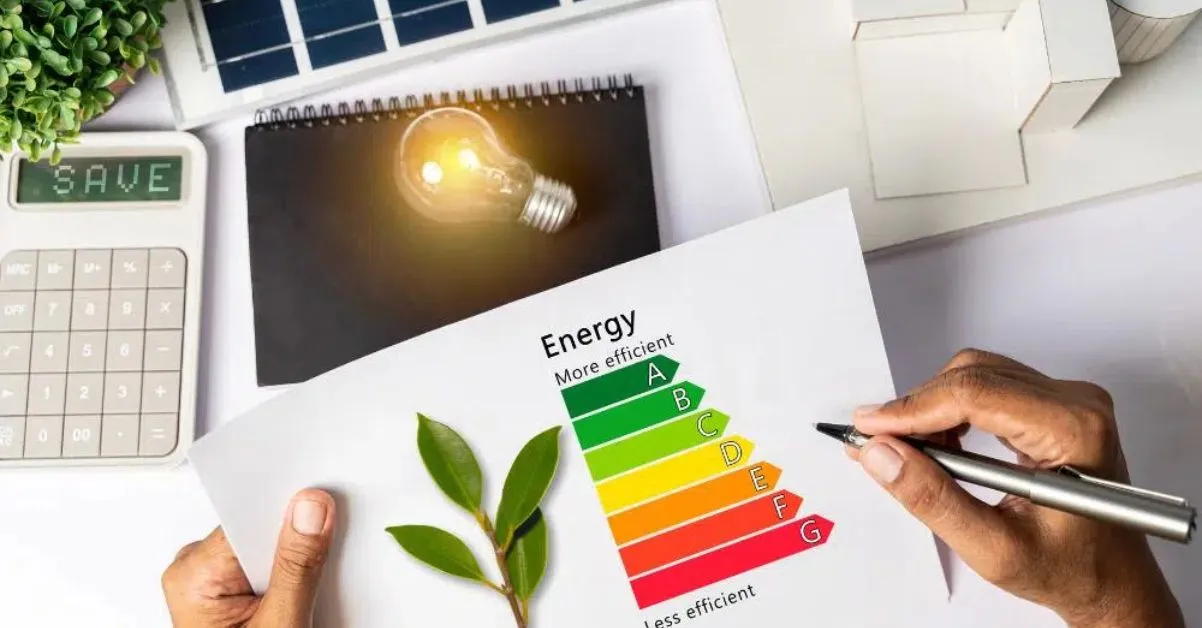
Electricity powers every part of modern life from lighting and appliances to heating, cooling, and entertainment. But with costs rising in many states and the growing push toward sustainability, finding ways to reduce electricity consumption has never been more important.
The good news? Cutting your energy use doesn’t require sacrificing comfort. In fact, simple changes like switching to LED bulbs, using smart thermostats, unplugging idle devices, and installing energy monitors can make a big difference in your monthly bills. Combined with options like green energy plans, these strategies help households lower both costs and carbon footprints.
Why Reducing Electricity Consumption Matters
There are two big reasons to take electricity use seriously:
- Cost savings – With the average household spending around $122 per month on electricity, even small reductions add up to meaningful yearly savings.
- Environmental impact – Less consumption means less demand for fossil fuels, reducing emissions and supporting a cleaner energy grid.
By lowering your usage, you’re helping your wallet and the planet.
Switch to LED Bulbs
Lighting accounts for about 10–15% of a typical home’s energy use. Replacing old incandescent bulbs with LED bulbs is one of the fastest, easiest ways to save.
- Efficiency – LEDs use up to 80% less energy than traditional bulbs.
- Longevity – A single LED can last 15–25 times longer, meaning fewer replacements.
- Cost savings – Replacing ten 60-watt bulbs with LEDs could save $75–$100 per year.
While the upfront cost is higher, LEDs pay for themselves quickly through reduced usage.
Install a Smart Thermostat
Heating and cooling are often the biggest drivers of household electricity use. A smart thermostat automatically adjusts temperature settings based on your habits and can be controlled remotely via smartphone.
- Learning features – Devices like Nest or Ecobee adapt to your schedule over time.
- Zoning options – Target heating or cooling only in occupied rooms.
- Savings – Studies show smart thermostats can cut heating and cooling costs by 10–15%.
Pairing a smart thermostat with efficient HVAC habits like changing filters regularly further reduces waste.
Unplug Devices When Not in Use
Many electronics draw power even when turned off. These phantom loads may seem small individually but add up across an entire household.
- Common culprits – Phone chargers, game consoles, coffee makers, and cable boxes.
- Tip – Use smart power strips that cut power automatically when devices aren’t active.
- Savings – Unplugging idle electronics can trim 5–10% off your monthly bill.
This habit is especially effective in homes with multiple TVs, computers, or entertainment systems.
Use Energy Monitors
Knowledge is power and in this case, it’s also savings. Energy monitors track your household’s electricity use in real time, showing exactly where your money is going.
- Whole-home monitors – Devices like Sense connect to your breaker box and analyze overall usage.
- Plug-level monitors – Smart plugs track individual devices or appliances.
- Benefits – Identify inefficient appliances, spot spikes, and encourage smarter habits.
Households using monitors often report double-digit percentage reductions simply by becoming more aware of their consumption.
Other Smart Ways to Reduce Electricity Consumption
In addition to the big four strategies, here are a few more effective habits:
- Laundry efficiency – Wash clothes in cold water and air dry when possible.
- Appliance upgrades – ENERGY STAR appliances use 10–50% less energy than standard models.
- Seal and insulate – Prevent heating and cooling losses with better insulation and weather stripping.
- Time-of-use awareness – If you’re on a time-of-use plan, run appliances during off-peak hours.
Reducing Consumption and Green Energy Plans
Cutting electricity use is powerful on its own, but pairing conservation with green energy plans amplifies the benefits. By using less power and sourcing the remainder from renewables like wind or solar, you maximize both savings and environmental impact.
For example, a household that reduces usage by 20% through efficiency and then switches to a 100% renewable plan contributes far less to fossil fuel demand than either action alone.
Final Thoughts
Reducing your household’s electricity use doesn’t require massive lifestyle changes. With small steps switching to LED bulbs, using smart thermostats, unplugging devices, and installing energy monitors you can lower your bills, extend appliance life, and make your home more sustainable.
When combined with competitive green energy plans, these changes position your household to save money while supporting a cleaner energy future.
Ready to Start Saving?
Take control of your energy costs today. Visit Get Home Utilities electricity page to explore energy-efficient tips and compare renewable plans available in your area.
