
Blog
Security Habits Every New Homeowner Should Build

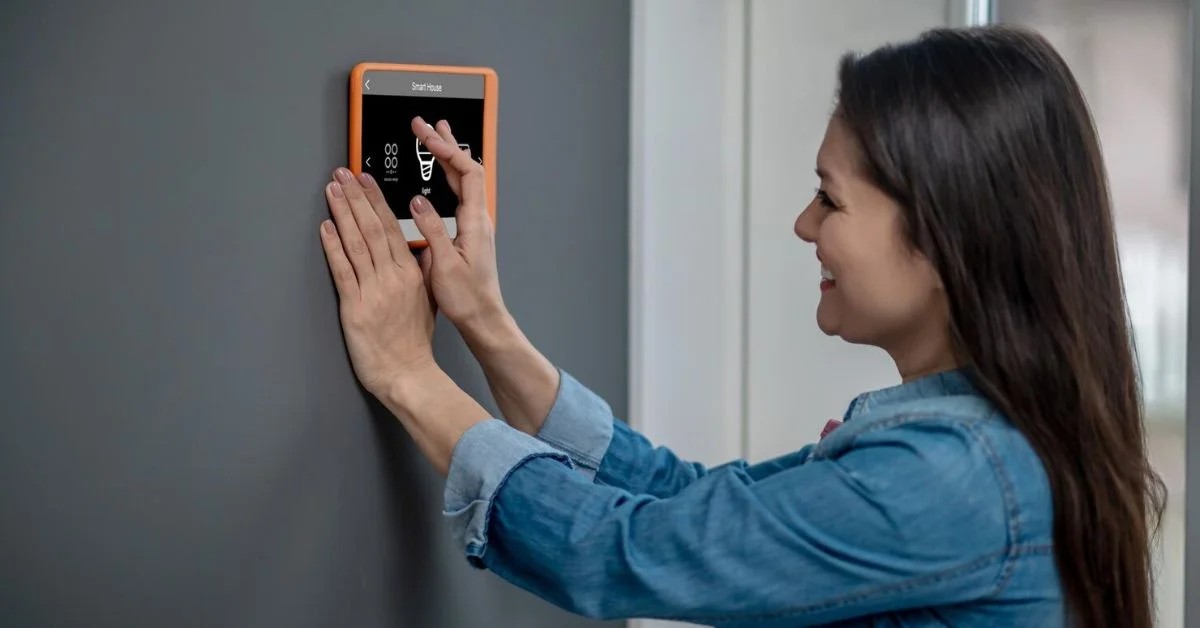
Buying or moving into a new home is exciting, but safety should not wait until something goes wrong. A home may look comfortable and complete, yet still have weak doors, old locks, dark entry points, hidden access areas, or missing security routines. New homeowners often focus on furniture, utilities, internet, and repairs first, while security habits are pushed aside for later.
Strong security habits help protect your home, family, belongings, and peace of mind. These habits include checking door security, using window locks, setting alarm systems properly, placing security cameras wisely, improving outdoor lighting, staying aware of the neighborhood, and keeping access under control.
Good security is not only about buying devices. It is about building daily routines that make your home harder to target and easier to manage. These habits also help reduce Security Risks After Moving, especially during the first few weeks when routines are still new and the home may feel unsettled.
Start With Door Security
Door security should be one of the first habits every new homeowner builds. Doors are the most obvious entry points, but they are also easy to overlook once you move in.
Check the front door, back door, side door, garage entry door, basement door, patio door, and any sliding doors. Make sure each one closes properly, locks securely, and does not have loose hardware.
A strong door with a weak lock is still a problem. A good lock with a damaged frame is also not enough. Door security works best when the lock, hinges, frame, strike plate, and door condition all support each other.
Change or Rekey the Locks
New homeowners should not assume they are the only people with keys. Previous owners, tenants, cleaners, contractors, agents, neighbors, or relatives may have had access at some point.
Changing or rekeying locks gives you control over who can enter the home. This is one of the simplest and most important early security habits.
If you are using smart locks home security features, delete old users, remove temporary codes, and create new access codes only for trusted people. Smart locks can be convenient, but access should be reviewed regularly.
Use Window Locks Properly
Window locks are just as important as door locks. Ground-floor windows, basement windows, side windows, and windows near roofs, fences, or balconies should be checked carefully.
Make it a habit to lock windows after opening them. Also check whether windows close fully and whether locks are damaged, loose, or outdated.
If a window does not lock properly, fix it quickly. A home with excellent front-door security can still be vulnerable if windows are ignored.
Build a Home Security Checklist
A simple home security checklist helps you stay consistent. It can include daily, weekly, and monthly tasks so security does not become something you only think about after a problem.
Your checklist may include locking doors at night, checking windows, closing the garage, turning on outdoor lights, reviewing camera alerts, testing sensors, updating smart device passwords, and checking alarm settings.
A checklist is especially useful during the first few months in a new home, when routines are still forming. It can also help you address common Security Risks After Moving before they turn into bigger problems.
Choose the Right Alarm System
Alarm systems can support strong security habits, but only if they match the home and the family’s lifestyle. A small home may need basic door and window sensors. A larger home may need motion sensors, garage sensors, cameras, smart locks, and monitoring.
Before you choose home alarm system features, walk through the property and list every entry point. Think about pets, children, daily routines, travel, and whether you want app alerts or professional support.
The best alarm system is not always the most complicated one. It is the one your household will actually use every day.
Understand Home Security Monitoring
Home security monitoring can help when an alarm is triggered and you are not able to respond immediately. Some systems send alerts only to your phone, while others connect to a monitoring center.
Professional monitoring may be useful if you travel often, work long hours, or want extra support during emergencies. Self-monitoring may work for homeowners who prefer lower monthly costs and can respond quickly to alerts.
The right choice depends on your budget, routine, property risk, and comfort level.
Set Alarms Consistently
An alarm system only helps if you use it. Many homeowners install systems but forget to arm them at night, when leaving the house, or during travel.
Make alarm use part of your routine. Arm it before bed, when leaving for work, and when going away for the weekend. Teach family members how to use it properly so the system does not create confusion or false alarms.
Consistency matters more than having advanced features you rarely use.
Use Security Cameras Wisely
Security cameras can help monitor entrances, driveways, garages, porches, side yards, and backyards. They can also discourage unwanted activity and provide useful footage if something happens.
Outdoor security cameras are especially useful for entry points and areas that are hard to see from inside the home. For better results, place cameras where they cover real movement paths, not just random open space.
Check camera angles, Wi-Fi connection, lighting, and storage settings. A camera that is blocked by a wall, pointed too high, or disconnected from the network will not help much.
Watch Home Security Trends, but Stay Practical
Home security trends now include smart locks, smart cameras, mobile alerts, motion sensors, video doorbells, automation, voice control, and integrated apps. These tools can improve convenience and awareness, but they should not replace basic habits.
New technology works best when it supports the essentials: locked doors, secured windows, clear lighting, controlled access, and regular monitoring.
Do not buy a device just because it is popular. Choose tools that solve real problems in your home.
Improve Outdoor Lighting
Outdoor lighting is one of the easiest security upgrades for new homeowners. Dark entryways, side yards, garages, and back doors can make a property feel less secure.
Use porch lights, motion lights, driveway lights, and backyard lighting where needed. Motion-activated lights are useful because they turn on when someone approaches.
Good lighting also helps security cameras capture clearer footage, especially at night. Keep lights working and replace bulbs quickly when they burn out.
Keep the Garage Secure
Garages are often overlooked, but they can contain tools, vehicles, bikes, storage boxes, and direct access into the home.
Make it a habit to close the garage door fully. Do not leave it open while working outside or unloading items unless someone is nearby. Check the garage side door, interior door, windows, keypad, and remote opener.
If you moved into a home with an existing garage opener, reset the code. Previous owners or workers may still have access.
Control Spare Keys
Spare keys can create security problems when they are hidden in obvious places. Avoid placing keys under mats, flowerpots, rocks, mailboxes, or door frames.
Give spare keys only to trusted people, or use a secure lockbox if needed. If you use smart locks, create temporary codes instead of handing out permanent access.
Review spare key access after contractors, guests, or temporary visitors no longer need it.
Stay Aware of Neighborhood Activity
Neighborhood awareness is a simple but powerful security habit. Learn the normal routine around your home. Notice when trash is collected, when school buses arrive, when delivery drivers come through, and when nearby homes are usually occupied.
This helps you recognize unusual activity. It also helps you feel more connected to the area.
Introduce yourself to nearby neighbors when possible. A trusted neighbor can notice packages, open garage doors, or unusual movement when you are away.
Protect Packages From Theft
Package theft is a common concern for new homeowners, especially during the first few months when many deliveries arrive.
Use delivery alerts, pickup lockers, porch cameras, video doorbells, or package lockboxes. If possible, schedule expensive deliveries for times when someone is home.
Do not let packages sit outside all day. Frequent visible deliveries can make a home look like an easy target.
Watch for Moving Day Theft
Moving day theft can happen when boxes, bags, electronics, tools, and personal items are left unattended during loading or unloading. Doors may stay open, people may come and go, and families may be too busy to notice small items going missing.
To reduce this risk, keep valuables with you, avoid leaving boxes outside, watch the moving truck, and make sure someone is present near entry areas while movers are working.
Moving day is one of the first moments when Security Risks After Moving can appear, so it helps to plan ahead before the truck arrives.
Use Smart Home Security Carefully
Smart home security can help homeowners manage locks, cameras, lights, alarms, and alerts from a phone. Smart cameras, smart locks, sensors, and automation can make daily routines easier.
However, smart security also needs maintenance. Change default passwords, enable two-factor authentication when available, update apps, and remove old users.
Smart devices should make your home safer, not create new access problems.
Update Passwords and Device Access
New homeowners should update passwords for Wi-Fi, smart locks, cameras, alarm apps, garage apps, and home automation systems.
If the home already has connected devices, reset them before use. Previous residents may still have app access if accounts are not changed.
Password updates are part of modern security habits. Physical locks matter, but digital access matters too.
Learn How to Prevent Burglary With Simple Habits
Many homeowners ask how to prevent burglary without turning the home into a fortress. The answer starts with consistency.
Lock doors and windows. Keep entry points lit. Do not leave valuables visible. Use cameras and sensors where needed. Keep the garage closed. Avoid posting travel plans publicly. Make the home look occupied when away.
Burglary prevention is strongest when several small habits work together.
Do Not Advertise New Purchases
After moving, homeowners often buy TVs, appliances, computers, gaming systems, furniture, and tools. Empty boxes left outside can show what is inside the home.
Break down boxes and place them inside trash or recycling bins when possible. Avoid leaving large product boxes visible at the curb for long periods.
This small habit helps reduce unnecessary attention.
Secure the Backyard
Backyards can become weak areas if they are not visible from the street. Check gates, fences, sheds, patio doors, and outdoor storage.
Lock sheds and gates. Keep ladders, tools, and equipment stored away. Trim bushes near windows and doors so they do not create hiding spots.
Outdoor security cameras and motion lighting can also help monitor backyard access.
Review Home Security System Cost Before Upgrading
Homeowners often wonder whether upgrading security is affordable. Home security system cost can vary depending on equipment, installation, sensors, cameras, smart locks, and monitoring.
Before spending money, start with the basics. Change locks, check windows, improve lighting, and secure the garage. Then compare systems based on what your home actually needs.
A practical setup is better than an expensive system that is difficult to use or maintain.
Test Sensors and Cameras Regularly
Sensors and cameras should be tested after installation and then checked regularly. Door sensors, window sensors, motion sensors, cameras, alarms, and smart locks can fail if batteries die, Wi-Fi drops, or settings change.
Set a reminder to test your system every month. Replace batteries when needed. Review camera views and make sure nothing is blocking them.
A security device is only helpful if it works when needed.
Prepare Before Travel
Before leaving for a trip, check your home security routine. Lock doors and windows. Set the alarm. Check cameras. Pause deliveries or arrange package pickup. Use light timers or smart lighting schedules.
Ask a trusted neighbor or family member to check the home if you will be away for a longer time.
Travel security should be part of your normal planning, not something remembered at the last minute.
Keep Emergency Contacts Updated
If you use alarm monitoring, make sure emergency contacts are correct. If your phone number, work schedule, or trusted contact changes, update the system.
Also keep local non-emergency police, fire, utility, and security provider numbers accessible.
In an emergency, outdated contact information can slow down response.
Make Security a Family Habit
Security should not be one person’s responsibility. Everyone in the household should understand basic routines.
Teach children to close doors, avoid opening the door to strangers, keep keys safe, and tell an adult if something seems unusual. Adults should agree on alarm use, visitor access, package handling, and travel routines.
When everyone understands the plan, the home becomes easier to protect.
How Get Home Utilities Helps
New homeowners have many services to arrange, including electricity, gas, water, internet, moving support, and home security. Get Home Utilities helps connect essential services, including Home Security Service, so homeowners can build safer routines from the start.
Whether you are comparing home security systems, setting up monitoring, adding outdoor security cameras, or choosing smart locks, planning early makes the move-in process smoother.
Security habits are easier to build when the right services are in place.
Highlighted Takeaway
Get Home Utilities helps new homeowners connect essential services, including Home Security Service, so security habits, smart locks, outdoor security cameras, and home security monitoring are easier to plan from day one.
Final Thoughts
Strong security habits help new homeowners protect their property, family, and peace of mind. Start with the basics: door security, window locks, garage checks, outdoor lighting, package protection, and neighborhood awareness.
Then add the right tools, such as alarm systems, outdoor security cameras, smart locks, smart home security, and home security monitoring. Watch home security trends, but choose what fits your home and routine.
The best security setup is not only installed. It is used consistently.
Frequently Asked Questions
What security habits should new homeowners build first?
New homeowners should first change locks, check doors and windows, secure the garage, improve outdoor lighting, set alarms, and create a home security checklist.
How can I prevent burglary at a new home?
You can help prevent burglary by locking doors and windows, using outdoor lighting, installing cameras, securing the garage, avoiding visible valuables, and using alarms consistently.
Are smart locks good for home security?
Yes, smart locks home security features can help control access, create temporary codes, and monitor door activity when used with strong passwords and regular access reviews.
Is home security monitoring worth it?
Home security monitoring can be worth it if you travel often, work long hours, miss alerts, or want additional support when an alarm is triggered.
What home security trends should homeowners know?
Common home security trends include smart locks, outdoor security cameras, video doorbells, motion sensors, mobile alerts, automation, and integrated smart home security systems.
