
Blog
Moving Day Theft: How Families Can Protect Their Belongings

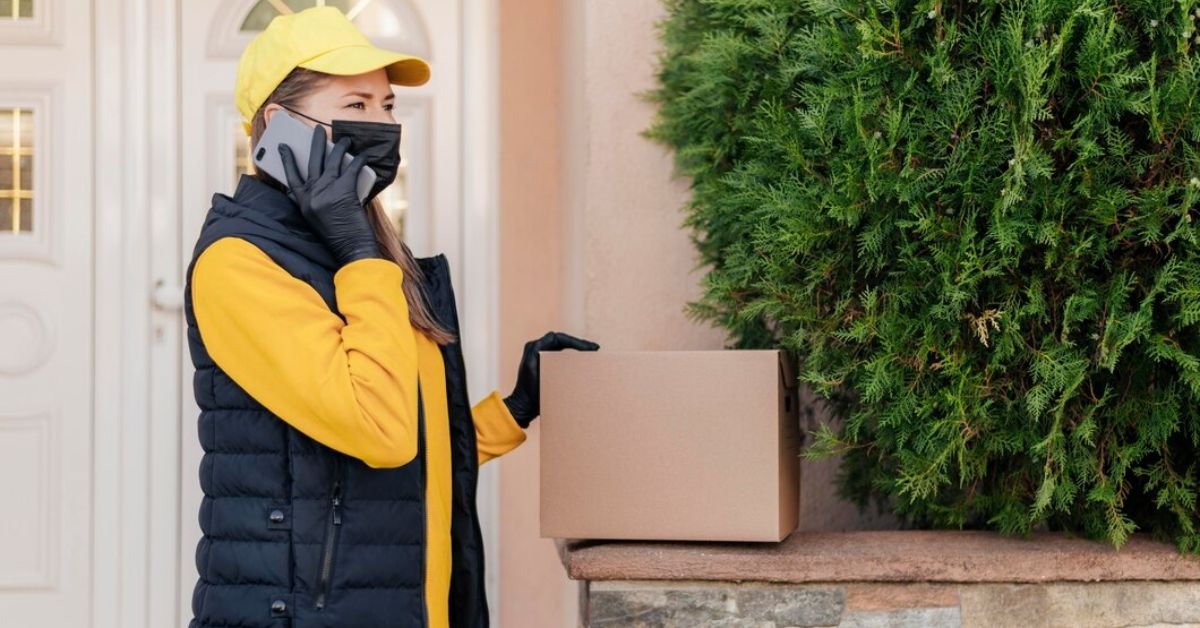
Moving day can feel chaotic from the first box to the last. Doors stay open, people come and go, trucks sit outside, valuables move through driveways, and personal items may be spread across rooms, cars, sidewalks, and loading areas. In the middle of all that activity, belongings can become easier to misplace, damage, or steal.
Moving day theft is a real risk because families are often distracted during a home move. Everyone is focused on packing, lifting, signing paperwork, directing movers, checking utilities, and getting to the new address. During this time, valuables, documents, electronics, jewelry, and even identity-related paperwork can become vulnerable.
The best way to reduce risk is to plan before moving day. A clear inventory, better access control, secure doors and windows, smart home security, Package Theft Prevention, and a practical home security checklist can help protect your belongings before, during, and after the move. These steps can also reduce security risks after moving, especially when your family is still settling into new routines.
Why Moving Day Theft Happens
Moving day creates opportunity. Boxes are visible. Trucks may be left open. Doors may stay unlocked. People may assume someone else is watching the belongings. Strangers may walk near the property without drawing attention because movers, delivery teams, technicians, and neighbors may all be around.
The risk can be higher if the home is in a busy street, apartment complex, shared driveway, or unfamiliar neighborhood. A person may not need much time to grab a small box, laptop bag, purse, package, or document folder.
Most families do not expect theft during the move itself. They assume the real security concern begins after they settle in. In reality, the move is one of the most exposed parts of the transition.
Prepare Your Home Before Moving
Before moving day begins, take time to Prepare Your Home Before Moving so the property is safer and easier to manage. Clear walkways, decide where boxes will be staged, keep valuables away from open doors, and identify which rooms should stay off-limits.
At the new home, check locks, lighting, doors, windows, garage access, and entry areas before the moving truck arrives. If possible, visit the home earlier and make sure the space is ready for unloading.
Preparation reduces confusion. When everyone knows where items go and which areas must stay secure, it becomes easier to spot problems.
Create an Inventory List
An inventory list is one of the simplest ways to protect belongings during a move. It helps you know what you own, what was packed, what went on the truck, and what arrived at the new home.
Write down important items such as electronics, appliances, jewelry, tools, artwork, documents, and expensive furniture. Take photos of valuable items before packing them. Label boxes clearly, but avoid writing words like “jewelry,” “cash,” “passport,” or “expensive electronics” on the outside.
A good inventory list also helps if you need to file an insurance claim or report a missing item.
Keep Valuables With You
Small valuables should not go into the moving truck if you can avoid it. Keep jewelry, passports, birth certificates, property documents, financial papers, laptops, tablets, medication, keys, and cash with you.
Use a personal bag or locked box that stays in your car or with a trusted family member. Do not place it near the front door, garage, or open hallway where someone could pick it up quickly.
Valuables are easier to protect when they are separated from the general moving process.
Protect Against Identity Theft
Moving day theft is not only about physical items. Identity theft can happen if personal documents are lost, stolen, or thrown away carelessly.
Documents such as bank statements, tax papers, medical records, school records, passports, IDs, closing documents, insurance papers, and utility account details should be packed securely.
Shred documents you no longer need before the move. Keep sensitive files in a locked folder or personal bag. Update your mailing address quickly so important mail does not continue going to the old home.
Choose a Reliable Moving Service
A trustworthy Moving Service can make a major difference. Before hiring movers, check reviews, licensing where applicable, service terms, pricing, and insurance options. Avoid choosing only based on the lowest price.
Ask how the company handles valuable items, damaged goods, missing items, and claims. Confirm how many workers will arrive and what time they are expected.
On moving day, make sure you know who is part of the moving crew. If unfamiliar people arrive unexpectedly, verify with the company before allowing access to your belongings.
Secure Doors and Windows at Both Homes
During a move, doors often stay open for convenience, but not every door needs to be unlocked. You should secure doors and windows at both the old and new homes while keeping only the necessary loading or unloading entry points open.
Check side doors, back doors, garage doors, basement doors, and windows before the move begins. At the new home, lock rooms that do not need access yet.
Door locks should be checked early, especially if the new home had previous occupants. If possible, rekey or change the locks before moving in.
Use Door Locks and Access Control
Good door locks are basic but important. If you are moving into a new property, do not assume you are the only person with a key. Previous owners, tenants, contractors, cleaners, or agents may still have copies.
Smart locks can help during a move because you can create temporary access codes for movers, contractors, cleaners, or family members. After the move, delete temporary codes and keep only trusted users.
Access control is especially useful when several people need to enter the home during a short time. It allows movement without giving permanent access.
Watch the Moving Truck
The moving truck is one of the most vulnerable places during moving day. Boxes may be stacked inside, the back may stay open, and movers may go in and out repeatedly.
Make sure someone is watching the truck while items are being loaded or unloaded. Avoid leaving it open and unattended, even for a few minutes.
If the truck must be parked on the street, try to keep it close to the home and in a visible area. At night, park under good lighting if possible.
Avoid Advertising Expensive Items
Do not leave expensive electronics, gaming systems, tools, or jewelry boxes visible near windows, doors, sidewalks, or truck entrances. If high-value items are obvious, they may attract attention.
Pack electronics in plain boxes when possible. Remove brand packaging from TVs, computers, or smart devices. Break down or cover boxes after unpacking so they do not advertise what is now inside the home.
This is especially important during the first week after moving because visible boxes and expensive packaging can increase security risks after moving.
Use Cameras for Moving Day Awareness
Cameras can help you monitor entry points, driveways, porches, garages, and loading areas. If the home already has working cameras, test them before moving day.
The best home security cameras for moving day are the ones that cover real movement areas. A camera pointed at the front porch may not help if most boxes are being loaded through the garage.
Look for useful features such as video surveillance, night vision, outdoor/indoor placement, wireless connectivity, motion alerts, and clear footage. Smart cameras can also send notifications when movement is detected.
Video Surveillance Can Help With Accountability
Video surveillance can help create a record of movement around the home. This does not mean you should record people secretly where privacy is expected, but cameras at entryways, driveways, porches, garages, and outdoor areas can support safety and accountability.
If something goes missing, footage may help you understand whether it was misplaced, loaded onto the truck, left outside, or removed by someone.
For a home move, visible cameras can also act as a deterrent.
Night Vision Matters for Early or Late Moves
Some moves begin early in the morning or continue into the evening. If lighting is poor, it becomes harder to watch boxes, trucks, and entry points.
Night vision can help cameras capture activity when natural light is low. Motion lights can also improve visibility and make dark areas less attractive to anyone looking for an opportunity.
Good lighting tips include keeping porch lights on, using motion lights near driveways and garages, and making sure side entrances are not left dark.
Wireless Security Options Are Useful During a Move
Wireless security devices are helpful because they can often be installed or moved more easily than wired systems. Wireless cameras, sensors, and smart locks can support temporary security during the move.
For example, a wireless camera can monitor the driveway while boxes are being unloaded. A door sensor can alert you if an entry point opens. A smart lock can help control who enters the home.
Wireless devices still need power, batteries, Wi-Fi, or cellular access, so test them before relying on them.
Set Up Smart Home Security Early
Smart home security can help families monitor a new home before everything is fully unpacked. Smart locks, smart cameras, motion sensors, lighting automation, and mobile alerts can all support moving day safety.
Automation can be useful. For example, motion near the front door can trigger a light or camera alert. A smart lock can notify you when a door is unlocked. Smart cameras can send alerts if movement is detected after movers leave.
Voice control may also help with lights or locks, but keep account security strong. Use strong passwords and remove access for anyone who no longer needs it.
Smart Home Security Risks During a Move
Smart devices can help protect a home during moving day, but they can also create Smart Home Security Risks if they are not managed properly. Existing smart locks, doorbells, cameras, garage openers, thermostats, and security apps may still be connected to previous owners, tenants, contractors, or installers.
Before relying on any smart device, reset accounts, change passwords, update apps, remove old users, and confirm alerts are going to the right phone or email.
Smart security should give your family control during the move. It should not leave hidden access open while the home is already busy and exposed.
Build Security Habits From Day One
Strong Security Habits can reduce confusion during moving day and help the family stay protected after the truck leaves. These habits include locking unused doors, keeping valuables with you, watching the moving truck, checking camera alerts, and making sure packages are brought inside quickly.
At the new home, create a routine for checking doors, windows, garage access, smart locks, cameras, and outdoor lighting each night.
Small habits matter because moving creates temporary gaps. When families build Security Habits early, they are less likely to overlook avoidable risks.
Choose Home Alarm System Features Carefully
If you plan to install or update an alarm, take time to choose home alarm system features based on your property. Consider entry doors, windows, garage access, basement areas, and rooms where valuables are stored.
Basic features may include door sensors, window sensors, motion detectors, cameras, and a control panel. More advanced features may include smart locks, smoke detection, flood sensors, automation, app control, and professional monitoring.
A strong alarm system should match the home layout and your family’s routine, not just the cheapest package available.
Understand Home Security System Cost
Many families ask about home security system cost during a move because moving already creates so many expenses. Costs can include equipment, installation, monitoring, cameras, sensors, smart locks, and monthly service fees.
A basic system may be affordable, while a full smart home security setup with cameras, automation, and 24/7 monitoring may cost more.
Compare upfront costs and long-term costs. Also ask whether equipment is owned or leased, whether there is a contract, and what happens if you cancel or move again.
Professional Home Security Monitoring
Professional home security monitoring can be helpful during and after a move. If an alarm is triggered, a monitoring center can support alert response depending on your plan and provider.
Professional monitoring is useful if you travel, work long hours, or cannot always respond to alerts quickly. 24/7 monitoring can add peace of mind during the first weeks in a new home, especially when routines are not settled yet.
Before choosing monitoring, compare monthly fees, contract terms, emergency response policies, app access, and supported devices.
Sensors Can Protect Key Areas
Sensors are useful because they can alert you when something changes. Door sensors, window sensors, motion sensors, glass break sensors, and garage sensors can help you monitor vulnerable areas.
During a move, sensors can be useful after the truck leaves and the home is still full of boxes. Boxes may block your view, but sensors can still detect activity at doors and windows.
Sensors work best when combined with cameras, lighting, door locks, and alert response.
Protect Packages and Deliveries
New homes often receive many deliveries during the first few weeks. Furniture, décor, appliances, internet equipment, security devices, and household essentials may arrive at different times.
Package theft is common when deliveries sit outside for hours. Use tracking updates, delivery instructions, pickup lockers, or a trusted neighbor if needed. A video doorbell or smart camera can help monitor porch activity.
Avoid scheduling high-value deliveries when no one will be home.
Package Theft Prevention During Moving Week
Package Theft Prevention should be part of the moving plan because deliveries often arrive before the family is fully settled. Internet equipment, security devices, furniture, kitchen items, décor, and household supplies may be delivered while movers are unloading or while the home is still partly empty.
Use delivery alerts, pickup lockers, lockboxes, video doorbells, and trusted neighbor support. If a package arrives during the move, bring it inside quickly and keep it away from open doors or unattended areas.
A package left on the porch during moving day can be easy to miss because so many other boxes are being carried in and out.
Keep the New Home From Looking Unattended
During a move, a home can look temporarily empty even when you are going back and forth. Keep lights on when needed, park a car in the driveway if possible, and avoid leaving flyers, mail, or packages outside.
If you are moving over several days, ask someone trusted to check the property.
A home that looks active is less likely to attract unwanted attention.
Use a Home Security Checklist
A practical home security checklist helps families stay organized during a move. Moving day is too busy to rely on memory alone.
Your checklist should include:
Change or rekey door locks
Secure doors and windows
Check garage access
Keep valuables with you
Create an inventory list
Watch the moving truck
Set up cameras
Test sensors
Use lighting tips around entry points
Protect packages
Update mailing address
Review home security systems
Consider professional monitoring
This checklist can reduce both theft risk and moving day confusion.
What to Do If Something Goes Missing
If an item goes missing, do not panic immediately. Moving creates clutter, and items are often placed in the wrong box or room.
First, check your inventory list, moving truck, cars, garage, storage areas, and labeled boxes. Ask movers or family members when the item was last seen.
If you believe theft occurred, document the missing item, review any camera footage, contact the moving company if relevant, and report the issue if necessary.
How Get Home Utilities Helps
A safe move is not only about transportation. It also includes utilities, internet, security, and planning. Get Home Utilities helps families connect essential services, including Home Security Service and Moving Service, so moving day feels more organized and better protected.
When security is part of the move-in plan, families are less likely to leave valuables, access points, or deliveries exposed.
Get Home Utilities helps homeowners prepare for the practical details that make a home move smoother and safer.
Highlighted Takeaway
Get Home Utilities helps families connect essential services, including Home Security Service and Moving Service, so a home move is easier to plan, belongings are better protected, and moving day security feels less stressful.
Final Thoughts
Moving day theft can happen when belongings are visible, doors are open, trucks are unattended, and families are distracted. The best protection starts before the move begins.
Prepare Your Home Before Moving, keep valuables with you, secure doors and windows, watch the truck, protect personal documents, and use cameras, sensors, lighting, and smart home security where needed.
A home security checklist helps families stay focused during a busy day. With better planning, your belongings, identity, and new home can be protected from the start.
Frequently Asked Questions
What is moving day theft?
Moving day theft happens when belongings, valuables, packages, documents, or boxes are stolen during the packing, loading, unloading, or move-in process.
How can I protect valuables during a home move?
Keep jewelry, documents, laptops, medication, cash, and IDs with you instead of placing them in the moving truck.
Should I install cameras before moving in?
Yes, cameras can help monitor doors, driveways, porches, garages, and loading areas during moving day and the first few weeks after move-in.
How do home security systems help during a move?
Home security systems can help protect entry points with door locks, sensors, cameras, motion detection, alerts, and professional monitoring.
What should I include in a home security checklist for moving day?
Include rekeying locks, securing doors and windows, watching the truck, keeping valuables with you, testing cameras, checking sensors, using lighting tips, and protecting deliveries.
Is professional monitoring useful during a move?
Yes, professional monitoring or 24/7 monitoring can support alert response if an alarm is triggered while you are busy, away from the property, or still settling in.
