
Blog
Why Vacant Homes Are Targeted Before New Owners Move In

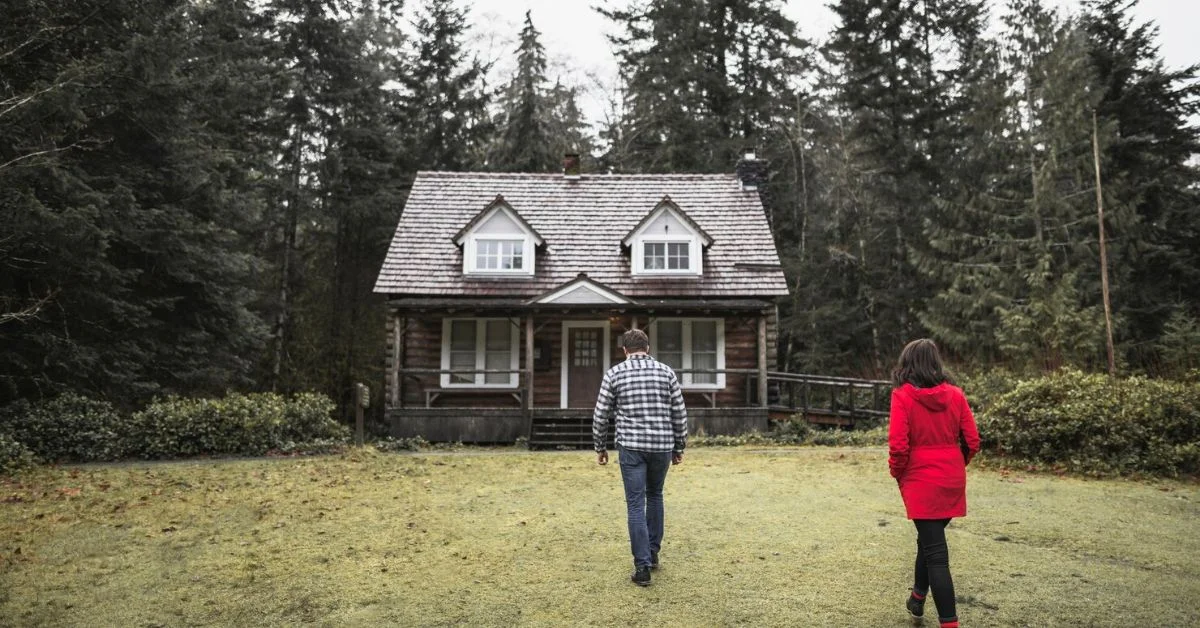
A vacant home can look quiet from the outside, but to the wrong person, it may look like an easy target. Before new owners officially move in, the property may sit empty for days or weeks. During that time, boxes may not be inside yet, routines are not established, lights may stay off, and no one may be watching the home closely.
Vacant homes are often targeted because they have less activity, fewer witnesses, and more predictable gaps in security. During a home move, many families focus on packing, paperwork, utilities, and scheduling movers, while the empty property receives less attention. This can create risks such as trespassing, theft, vandalism, package theft, unauthorized access, moving day theft, and other security risks after moving.
The good news is that you can reduce those risks with property monitoring, lighting, secure doors and windows, smart home security, a reliable security system, and a clear home security checklist before move-in day.
Why Vacant Homes Can Attract Unwanted Attention
A vacant home may show signs that no one is living there yet. The lawn may not be maintained. Mail or flyers may collect near the door. Porch lights may stay off. No vehicles may be parked outside. Windows may be uncovered. Contractors or delivery workers may come and go without a regular homeowner presence.
These signs can make the property look unprotected.
Most security problems happen because someone notices an opportunity. A home that looks empty, dark, and unmanaged may seem easier to approach than a home with lights, cameras, activity, and visible security measures.
Vacancy Period Is the Highest-risk Window
The vacancy period between closing and move-in can be especially risky. You may own the home, but you may not be living there yet. The previous owner may have moved out, and the new household may not arrive for several days.
During this gap, no one may be checking doors, windows, mail, outdoor areas, or deliveries daily. If repairs, cleaning, painting, or renovations are happening before move-in, even more people may have temporary access.
This is why security planning should begin before the first night in the new home. It is also why homeowners should prepare your home before moving instead of waiting until all boxes arrive.
Secure Doors and Windows First
The first step is to secure doors and windows. Before worrying about advanced technology, check the basic entry points.
Inspect front doors, back doors, side doors, garage doors, basement doors, and sliding doors. Make sure locks work properly and doors close tightly. Check window locks, especially on the ground floor and any accessible upper level.
A vacant home with weak door locks or unsecured windows is easier to enter. Strong door locks, working window latches, and clear access control create the foundation for better security.
Change or Rekey Door Locks
Door locks should be changed or rekeyed as soon as possible. You may not know how many copies of the old keys exist. Previous owners, tenants, cleaners, contractors, neighbors, agents, or relatives may have had access at some point.
Rekeying the locks gives you control over who can enter the home. This is one of the simplest and most important steps on any home security checklist.
If you plan to install smart locks, make sure old access codes are deleted and new codes are used only for trusted people.
Garage Doors Are Often Overlooked
Garages are common weak points because they may hold tools, appliances, boxes, or equipment before the family moves in. A garage can also provide direct access into the home.
Check the garage door opener, keypad, side door, windows, and interior door. Reset opener codes if possible. If the garage has a manual release cord, make sure it is not easy to reach from outside.
A locked front door does not help much if the garage is unsecured.
Why Outdoor Lighting Matters
Outdoor lighting can make a vacant home look less empty and less inviting to trespassers. Dark entryways, side yards, garages, and back doors create hiding spots.
Use porch lights, motion lights, driveway lights, and backyard lights where possible. If you are not living in the home yet, timers or smart lighting can help create the appearance of activity.
Simple lighting tips include keeping entry points visible, using motion-activated lights near doors and garages, and avoiding dark corners around windows or side paths.
Smart Lighting Can Create Activity
Smart lighting can help during the vacancy period. You can schedule lights to turn on and off at different times, control them from your phone, and make the home look more lived-in.
This is a basic part of smart home security. When combined with smart cameras, smart locks, motion alerts, and a security system, smart lighting gives you more control even before you fully move in.
However, smart devices depend on reliable internet and power. Make sure utilities and internet are active if you plan to use automation before moving in.
Security Cameras Help Monitor the Property
Security cameras are useful for monitoring vacant homes because they let you see what is happening around the property. They can also discourage trespassing, theft, and suspicious activity.
The best home security cameras for a vacant home depend on the property layout. Entry doors, driveways, garages, porches, side gates, and backyards are common camera locations.
Look for features such as video surveillance, night vision, outdoor/indoor placement options, wireless connectivity, motion alerts, cloud or local storage, and clear app access.
Outdoor and Indoor Camera Placement
Outdoor cameras should cover the most likely entry points. These may include the front door, driveway, garage, back door, patio door, and side entrance. Indoor cameras may be useful in main rooms, hallways, or areas where valuables or tools are stored before move-in.
Outdoor/indoor placement should be planned carefully. Outdoor cameras need weather-resistant designs and strong night vision. Indoor cameras should respect privacy and be used only where appropriate.
Camera placement matters more than quantity. A few well-placed cameras can be more useful than many cameras pointed at the wrong areas.
Wireless Cameras Can Be Useful Before Move-in
Wireless cameras are often easier to install before move-in because they do not require complex wiring. Battery-powered models can be helpful if the home is not fully set up yet.
However, wireless cameras still need Wi-Fi or cellular connectivity to send alerts and video. If internet is not active, some features may not work.
Before relying on wireless smart cameras, test them at the property. Make sure the signal reaches the camera location and alerts arrive properly.
Night Vision Matters for Vacant Homes
Most suspicious activity around vacant properties is more concerning at night because fewer people are nearby and the property may be dark.
Night vision helps cameras capture clearer footage in low light. Motion-activated lights can also improve camera visibility and make the area less attractive to intruders.
When comparing cameras, do not only look at daytime video quality. Night performance matters for vacant homes.
Alarm Systems Add Another Layer
Alarm systems can help protect a vacant home by detecting door openings, window activity, motion, or glass break events. Some systems include sirens, app alerts, and monitoring services.
If you are comparing home security systems, think about whether the property will be vacant for a few days, a few weeks, or longer. A short vacancy may need basic door sensors and cameras. A longer vacancy may need alarm monitoring, motion sensors, video surveillance, and smart access control.
The right system depends on your property, budget, and risk level.
How to Choose Home Alarm System Features
When you choose home alarm system features, start with entry points. Count doors, windows, garage access, and basement access. Then consider whether you need motion sensors, cameras, glass break sensors, smart locks, smoke detection, flood sensors, or professional monitoring.
A vacant home may need stronger monitoring than an occupied home because no one is there to notice unusual activity immediately.
Also consider mobile app access, battery backup, system alerts, and whether temporary access codes can be created for contractors or family members.
Professional Monitoring Can Help During Vacancy
Professional home security monitoring can be useful when a home is empty because alerts are not only sent to your phone. A monitoring team may help with alert response based on the system and service plan.
Professional monitoring or 24/7 monitoring can be helpful if you travel, live far from the new property, or cannot check alerts immediately. It may also provide more peace of mind during renovations, delayed move-ins, or long vacancy periods.
Before choosing monitoring, compare fees, contract terms, response process, cancellation rules, and what types of alerts are included.
Alert Response Should Be Clear
An alarm or camera alert is only useful if you know what happens next. Some systems send push notifications to your phone. Some trigger sirens. Some connect to professional monitoring. Some allow you to call emergency services or speak through a camera.
Ask how alert response works before choosing a system. Will you receive real-time alerts? Can alerts be shared with another family member? Does professional monitoring contact you first? Are police or emergency services contacted automatically or only after verification?
Clear expectations help avoid confusion during an actual incident.
Smart Locks Improve Access Control
Smart locks can help manage access during the vacancy period. Instead of giving out physical keys, you can create temporary codes for contractors, cleaners, family members, or delivery access when needed.
Smart locks also help you check whether a door is locked, depending on the model and setup. Some can be controlled through apps and connected to automation routines.
Still, smart locks should be used carefully. Change default settings, remove old codes, use strong passwords, and avoid sharing permanent access with temporary workers.
Sensors Can Detect More Than Doors
Sensors are useful in vacant homes because they can alert you to activity you may not see. Door sensors, window sensors, motion sensors, glass break sensors, water sensors, and smoke detectors can all support home safety.
Door locks, sensors, cameras, and lighting tips work best together. Locks help prevent entry, sensors detect activity, cameras show what is happening, and lighting improves visibility.
This layered approach is stronger than depending on one tool alone.
Smart Cameras and Automation
Smart cameras can work with automation to make security more responsive. For example, motion near a camera may trigger a light, send an alert, or start recording. A doorbell camera may notify you when someone approaches the front porch.
Automation can make a vacant home feel more actively monitored. But it should not be overcomplicated. Start with the most important actions: record motion, send alerts, turn on lights, and control access.
If your system supports voice control, use it carefully. Voice control can be convenient, but it should be protected with account security and privacy settings.
Contractors and Temporary Access Create Risk
Many vacant homes are visited by contractors before move-in. Painters, cleaners, repair teams, inspectors, internet technicians, security installers, and delivery teams may all need access.
The more people who enter the home, the more important access control becomes.
Avoid hiding keys outside. Use temporary smart lock codes if possible. Keep a record of who enters and when. Change codes after the work is complete. If physical keys are used, make sure they are returned.
Deliveries Can Signal Vacancy
New homeowners often order furniture, appliances, internet equipment, décor, and household essentials before moving in. Packages sitting outside can signal that the home is unattended.
Package theft can happen quickly, especially if deliveries arrive before the family is living there.
Use delivery tracking, schedule deliveries when someone can be present, use pickup locations, ask a trusted neighbor for help, or install a video doorbell. Do not let packages sit outside overnight.
Keep the Property Maintained
A vacant home should not look abandoned. Overgrown grass, trash bins left out, collected flyers, dark windows, and unattended packages can all signal that no one is living there.
If you cannot visit often, ask someone trusted to check the property. They can remove flyers, bring in mail, inspect doors, and make sure outdoor areas look maintained.
A home that looks cared for is less likely to attract attention.
Check Fences, Gates, and Side Areas
Fences and gates can help protect a property, but only if they are working properly. Check gate locks, side entrances, backyard access, and any broken fence panels.
Side yards are often less visible from the street, which can make them attractive entry routes. Motion lights and cameras can help cover these areas.
Outdoor security should include more than the front door.
Home Security System Cost for Vacant Homes
Home security system cost can vary widely depending on equipment, installation, cameras, monitoring, sensors, smart locks, and contract terms.
For a vacant home, spending should match the vacancy period and risk level. A short gap before move-in may only require rekeyed locks, lights, and a temporary camera. A longer vacancy may justify professional monitoring, more sensors, and a full alarm setup.
Compare upfront costs, monthly fees, installation charges, equipment ownership, app access, and monitoring options. A low-cost system may be fine for basic needs, but make sure it covers the most important entry points.
Build a Home Security Checklist Before Move-in
A practical home security checklist should be completed before the home sits vacant for too long.
Include:
Rekey or change door locks
Secure doors and windows
Reset garage access
Install outdoor lighting
Set up video surveillance
Place smart cameras near key areas
Use night vision cameras where needed
Add door and window sensors
Check fences and gates
Control contractor access
Schedule package deliveries carefully
Consider professional monitoring
Create emergency contacts
Visit or monitor the property regularly
This checklist helps you stay organized during a busy move.
Renters and Vacant Homes
Renters may not be able to make every security change, but they can still reduce risk before moving in. Ask the landlord whether locks have been changed. Check windows, doors, lighting, and entry areas.
Use renter-friendly cameras, portable alarms, and removable smart devices where allowed. Always review lease rules before installing cameras, smart locks, or mounted devices.
Even if you do not own the property, you still need to feel safe once you move in.
Homeowners Have More Options
Homeowners can make stronger security upgrades before move-in. They can rekey locks, install cameras, add smart locks, upgrade lighting, add sensors, and choose professional monitoring.
Start with access control, then add monitoring and automation. A strong security setup does not need to be complicated, but it should cover real entry points and real risks.
If the home will remain vacant for more than a few days, prioritize visible security and regular property checks.
How Get Home Utilities Helps
A home move includes more than packing and transportation. You may need electricity, gas, water, internet, moving support, and home security. Get Home Utilities helps homeowners connect essential services, including Home Security Service and Moving Service, so the new property can be better prepared before move-in.
When security planning is included early, vacant homes are less likely to be overlooked during the move.
Get Home Utilities makes it easier to plan essential services in one place and reduce avoidable stress.
Highlighted Takeaway
Get Home Utilities helps homeowners connect essential services, including Home Security Service and Moving Service, so vacant homes can be monitored, secured, and better protected before new owners move in.
Final Thoughts
Vacant homes are often targeted before new owners move in because they may look empty, dark, unmanaged, or easy to access. The vacancy period creates risk, but early planning can reduce that risk.
Start by securing doors and windows, changing locks, checking garage access, improving lighting, and setting up property monitoring. Then consider home security systems, smart cameras, smart locks, professional monitoring, and automation based on your needs.
A secure move-in starts before the moving truck arrives. The more prepared the home is during the vacancy period, the safer and more comfortable the transition becomes.
Frequently Asked Questions
Why are vacant homes targeted before move-in?
Vacant homes are targeted because they often have less activity, fewer witnesses, dark entry points, visible deliveries, and weaker day-to-day monitoring.
How can I secure a vacant home before moving in?
You can secure a vacant home by changing locks, checking windows, improving outdoor lighting, using cameras, adding sensors, controlling contractor access, and visiting regularly.
Are home security systems worth it for vacant homes?
Home security systems can be worth it for vacant homes, especially if the property will remain empty for several days or weeks before move-in.
What are the best home security cameras for vacant homes?
The best home security cameras for vacant homes usually include night vision, motion alerts, outdoor/indoor options, wireless connectivity, and clear video surveillance features.
Should I choose professional home security monitoring?
Professional home security monitoring can be helpful if you cannot check alerts quickly, live far from the vacant property, travel often, or want 24/7 monitoring and alert response.
What should a home security checklist include before move-in?
A home security checklist should include door locks, sensors, cameras, lighting tips, window checks, garage access, smart locks, smart cameras, contractor access, and package delivery planning.
