
Blog
5G Home Internet vs Cable & DSL: Which One Makes Sense for You?

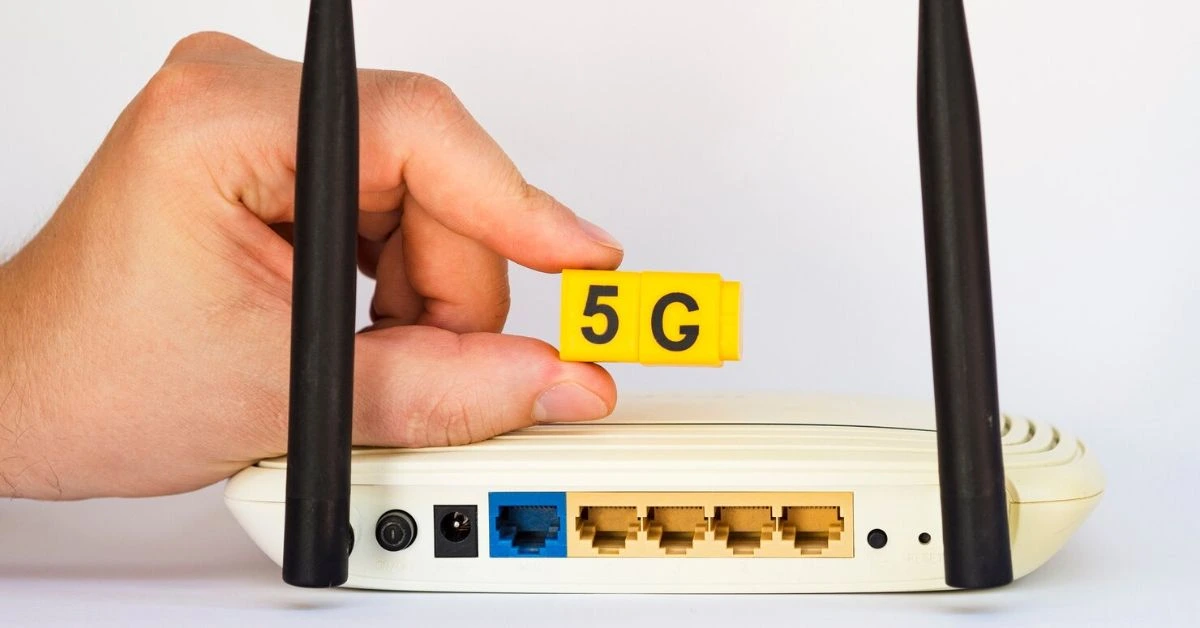
Choosing an internet connection used to be pretty simple. You either went with cable or DSL, depending on what was available in your area. Now, there’s a newer option in the mix, and it’s changing how people think about home internet.
If you’re weighing 5G Home Internet vs Cable & DSL, you’re not alone. Many households are asking the same question: Which one actually fits how I use the internet every day?
Let’s break it down in plain terms so you can make a confident decision without getting lost in tech jargon.
What Is 5G Home Internet?
5G home internet uses cellular networks to deliver internet service directly to your home. Instead of cables running underground or through utility poles, a small receiver or gateway picks up a 5G signal from nearby towers and converts it into Wi-Fi for your devices.
The appeal is obvious. There’s no digging, no long installation windows, and in many cases, no contracts. You plug it in, set it up, and you’re online.
But convenience isn’t the whole story. Performance can vary depending on where you live, how close you are to a tower, and how many people nearby are using the same network.
How Cable Internet Works
cable internet is delivered through coaxial cables, the same infrastructure traditionally used for cable TV. This type of internet has been around for decades and is widely available across the U.S.
Cable internet is known for fast download speeds, which makes it popular for streaming, gaming, and households with multiple users. Upload speeds are typically slower than downloads, but for many people, that’s not a dealbreaker.
Cable is often bundled with TV or phone services, which can be convenient but sometimes comes with extra fees you don’t notice until your bill arrives.
Understanding DSL Internet
DSL uses existing telephone lines to deliver internet service. It’s one of the oldest broadband technologies still in use.
DSL can be reliable, but it’s generally slower than both cable and 5G home internet. Speeds also drop the farther you are from the provider’s central office, which means performance can vary significantly from one neighborhood to the next.
DSL still appeals to some users because it’s often affordable and widely available, especially in areas where cable or fiber hasn’t reached yet.
Comparing Speeds: What You’ll Actually Notice
When comparing 5G Home Internet vs Cable & DSL, speed is usually the first thing people ask about. But raw numbers don’t tell the whole story.
Cable internet typically offers the highest and most consistent download speeds, often reaching hundreds of Mbps or even gigabit levels. That’s great if your household streams in 4K, plays online games, or works from home with large files.
5G home internet speeds can be impressive sometimes rivaling cable but they’re more variable. You might see fast speeds late at night and slower performance during peak hours when more users are online.
DSL speeds are usually the lowest of the three. It can handle basic browsing, email, and HD streaming on one or two devices, but it struggles with heavier usage.
Latency: Why It Matters More Than You Think
latency refers to how quickly data travels from your device to the server and back. Lower latency means smoother video calls, better online gaming, and less lag overall.
Cable internet generally offers low and stable latency, which is why it’s popular with gamers and remote workers.
5G home internet can have low latency too, but it depends heavily on signal strength and network congestion. In ideal conditions, it performs very well. In less ideal ones, you may notice delays.
DSL usually has higher latency compared to cable and 5G, especially on older networks.
Reliability and Consistency
If you want internet that behaves the same way every day, cable still has the edge. It’s a wired connection, so weather and signal interference are less of a concern.
5G home internet is wireless, which means obstacles like buildings, trees, and even heavy rain can impact performance. Providers are improving this quickly, but it’s still something to consider.
DSL is generally stable, but aging infrastructure can lead to slowdowns or outages, especially in older neighborhoods.
Pricing and Hidden Costs
One reason people are drawn to 5G home internet is simple pricing. Many plans come with flat monthly rates, no contracts, and no installation fees.
Cable internet often starts with attractive promotional pricing, but costs can rise after the first year. Equipment fees, broadcast charges, and other add-ons can increase your monthly bill.
DSL is usually the cheapest upfront, but you’re paying less because you’re getting less speed and flexibility.
If you’ve dealt with hidden bundle fees before, this is where reading the fine print really matters.
Availability: What You Can Actually Get
Not every option is available everywhere. Cable internet covers most urban and suburban areas. DSL reaches many rural locations where other services don’t.
5G home internet is expanding quickly, but availability depends on network coverage in your area. Some neighborhoods have multiple options, while others may only qualify for one.
Checking availability at your specific address is always the smartest first step.
Which Internet Type Is Right for You?
If you want consistent performance for streaming, gaming, and work, cable internet remains a strong choice.
If you value flexibility, simple pricing, and easy setup and you live in a strong coverage area 5G home internet can be a great alternative.
If your needs are basic and options are limited, DSL can still get the job done.
The “best” option isn’t universal. It depends on how you use the internet, what’s available where you live, and how much variability you’re comfortable with.
Final Thoughts
The debate around 5G Home Internet vs Cable & DSL isn’t about which technology is better overall. It’s about which one fits your lifestyle today.
Understanding speeds, latency, reliability, and pricing puts you in control of that choice. Once you know what to look for, the decision becomes much clearer.
Ready to Find the Right Internet Option?
Comparing internet types is easier when you can see what’s actually available at your address. Get Home Utilities offers you a simple way to explore internet plans in your area and compare options side by side.
Visit the Get Home Utilities Internet page to check availability and find an internet solution that matches how you live, work, and stream.